Society
Works
3267 results
Religion
Divine Impressions
Young Talent 2025
YT Open Nominees
Katrina Jelavic
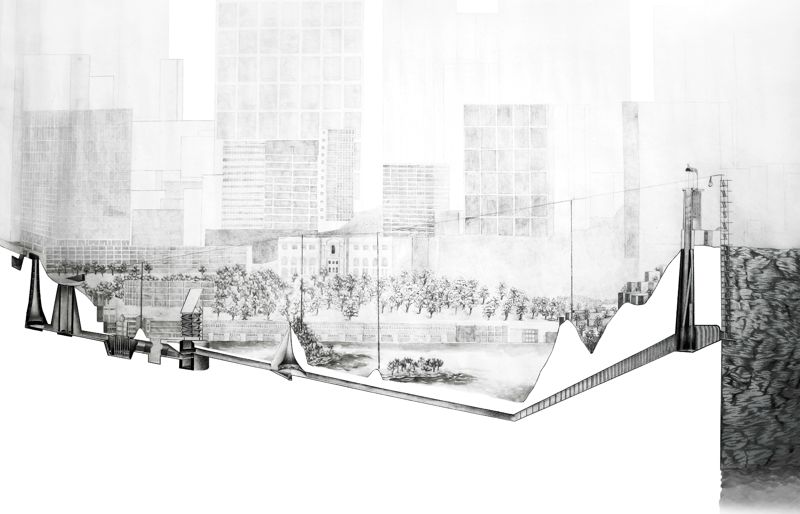
Modern man, alienated from the Divine, is preoccupied with artificial routine. Divine Impressions re-edifies sacred reality in Sydney, breaching thresholds of existence & nature. Separation, liminality & reaggregation prepare body & soul for a spiritual encounter, offering Divine truth & fulfilment.
EUmies Awards Young Talent
Mixed use – Cultural & Social
Translated Territories
Young Talent 2025
YT Open Nominees
Hannah Hill-Wade
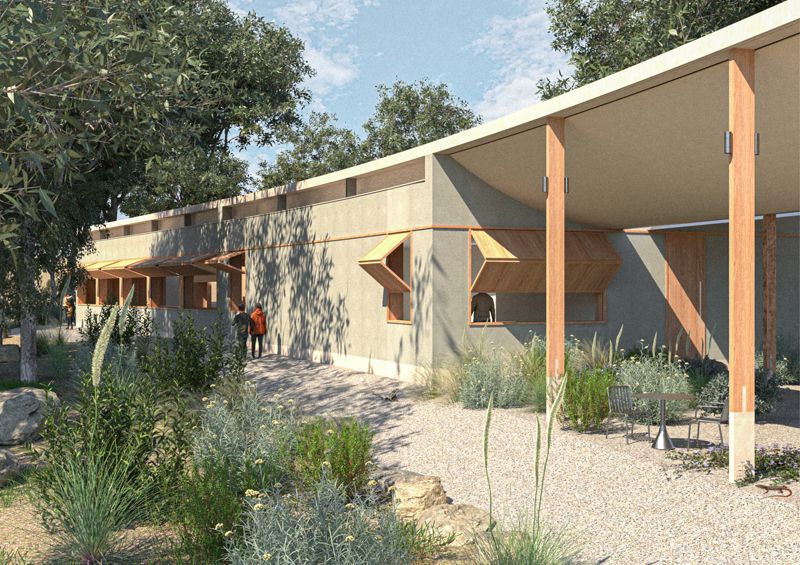
This project explores Australian conceptualisations of Territory and investigates how an architectural study of place and culture might create new, productive ways of viewing conflicting knowledge systems of ‘Settlement’ and ‘Country’. A new spatial approach seeks to promote genuine reconciliation.
EUmies Awards Young Talent
Mixed use – Cultural & Social
Re-Dream
Young Talent 2025
YT Open Nominees
Srilalitha Yeleswarapu
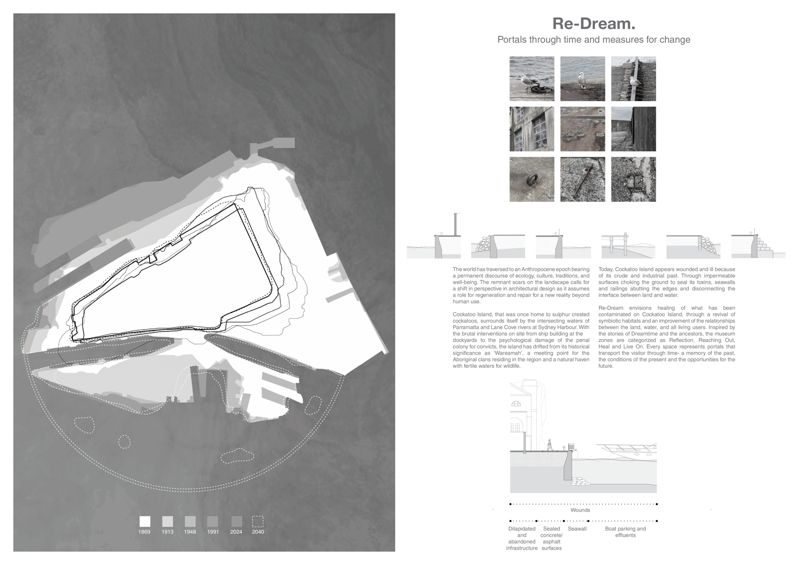
Re-Dream envisions healing of what has been contaminated on Cockatoo Island, through a revival of symbiotic habitats and an improvement of the relationship between the land, water, and all living users – inspired by the stories of Dreamtime and through the themes of reflection and reconciliation.
EUmies Awards Young Talent
Mixed use – Cultural & Social
Landscape echoes
Young Talent 2025
YT Nominees
José Jódar Llinás
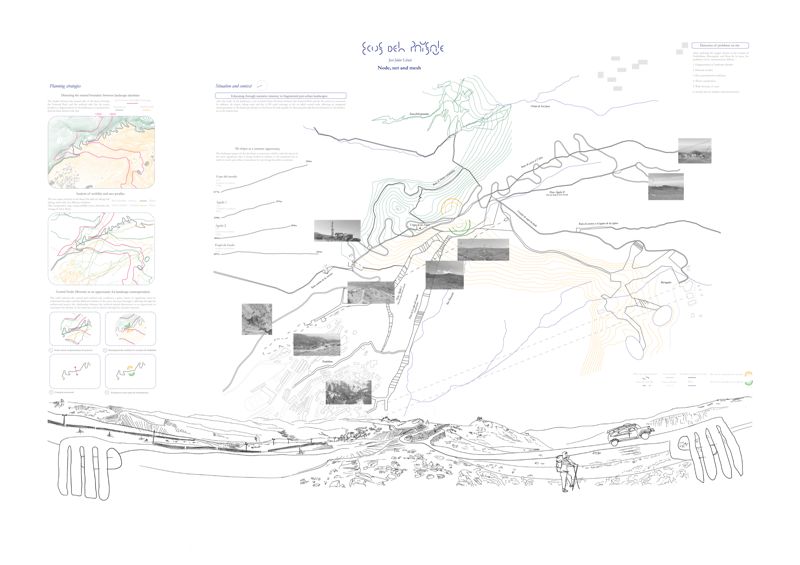
The proposal presents a building-landscape capable to regenerate the degraded landscape identity in Sierra Nevada (Granada) through a dialogue between technology, local context and nature, managing to define resilient typologies, energy self-sufficiency and universal accessibility in high mountains.
EUmies Awards Young Talent
Mixed use – Cultural & Social
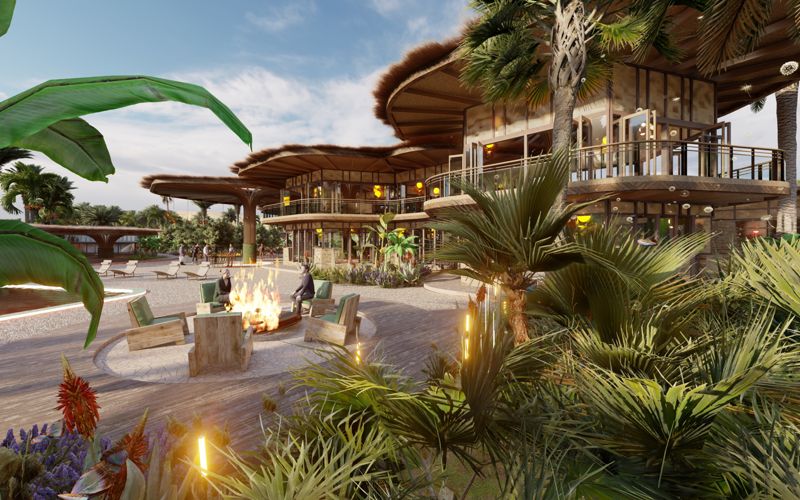
Schella ecolodge
Young Talent 2025
YT Open Nominees
Mustapha Amin Elhaj Hamad
This project reimagines Gabès’ oasis as a sustainable, community-driven hub where ecotourism, agriculture, and cultural heritage converge. By preserving the oasis’ ecological integrity while fostering local engagement, it offers a resilient model for economic and environmental regeneration.
EUmies Awards Young Talent
Culture
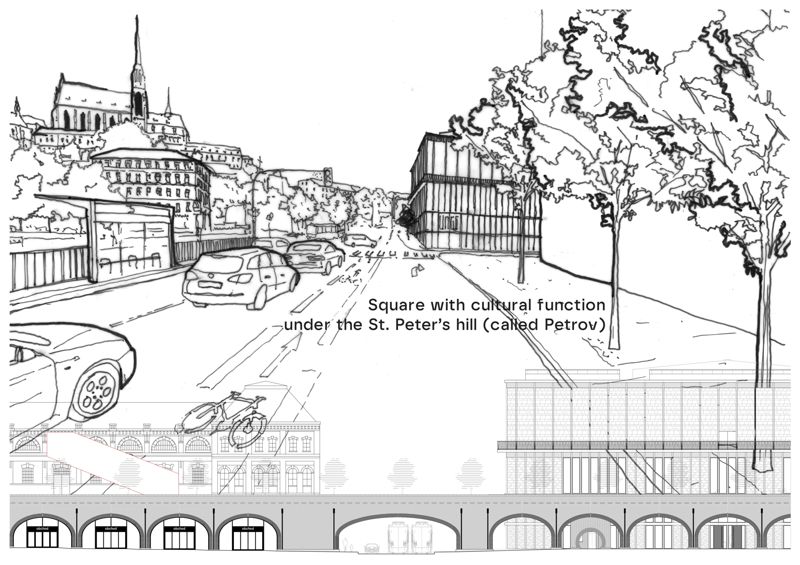
Square with cultural function under the St. Peter’s hill (called Petrov)
Young Talent 2025
YT Nominees
Marek Vavra
The project focuses on creating urban conditions for a new public space. The proposal includes a new gallery and the conversion of the former warehouse. The project offers an alternative to the current urban development and aims to promote the growth of the city in this peripheral area.
EUmies Awards Young Talent
Mixed use – Cultural & Social
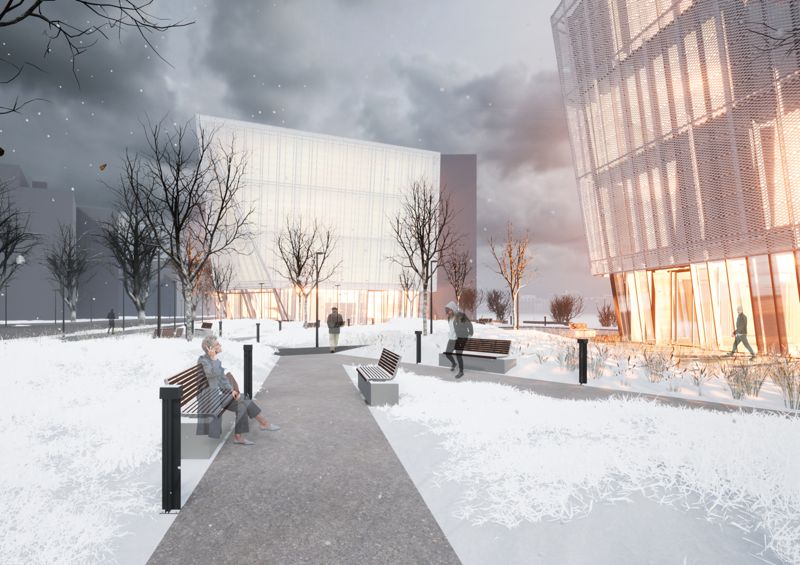
Prague – Holešovice Marina and Museum
Young Talent 2025
YT Nominees
Jan Pytel
The project aimed to renovate the port’s transhipment area and create a public meeting place. By connecting the street to the riverbank, a public space was created which, together with the addition of two buildings serving as a museum and marina, forms a public space for the public to stay and meet.
EUmies Awards Young Talent
Mixed use – Cultural & Social
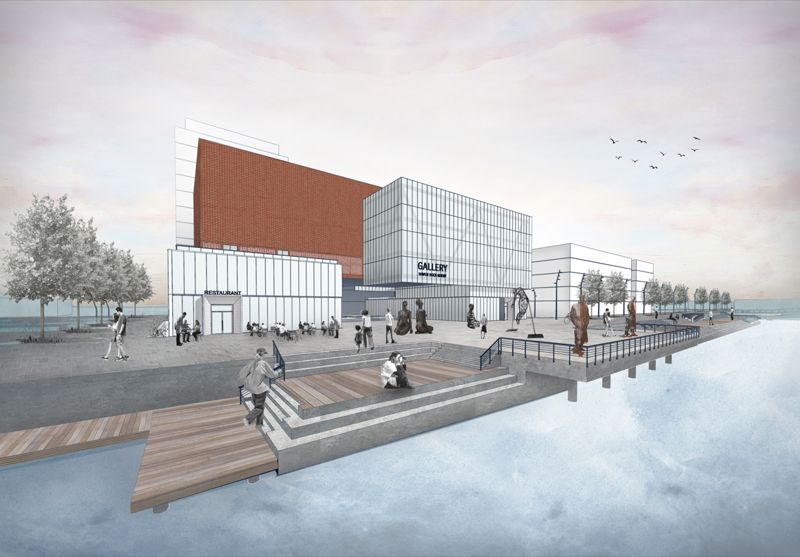
Gallery Haven dock Ghent
Young Talent 2025
YT Nominees
Barbora Kristkova
The thesis deals with an abandoned industrial dock in Ghent, Belgium. The proposal is concerned with integrating the excluded site into the context of the city, creating new social connections for the inhabitants and promoting the identity of the place with respect to sustainability.
EUmies Awards Young Talent
Culture
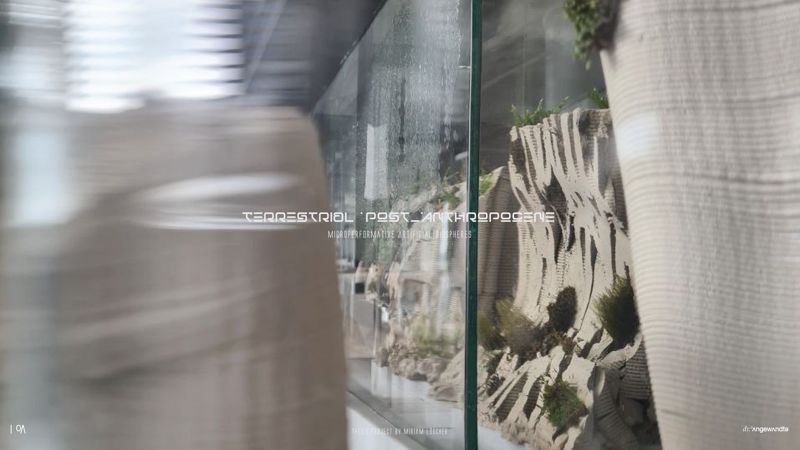
Terrestrial Post-Anthropocene
Young Talent 2025
YT Nominees
Miriam Löscher
The project seeks to create an environment of microperformative structures accomodating non-human agencies, allowing natural systems to flourish within the built environment, creating sustainable living systems for humans too – ones that breathe, decay and revive, mirroring the cycles of nature.
EUmies Awards Young Talent
Mixed use – Cultural & Social
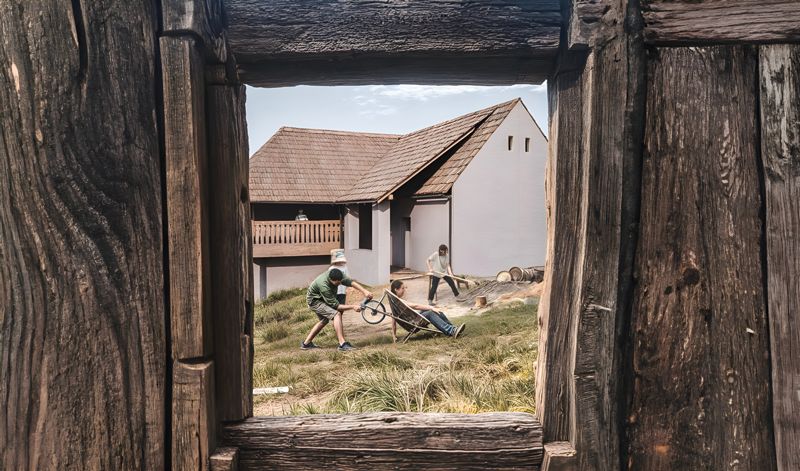
Contemporary Perspectives for the Alțâna Village
Young Talent 2025
YT Nominees
Maria Radu
My diploma project arises from my hands-on exploration of architecture, bridging theory with real-world practice in the rural setting of Alțâna, Sibiu County. The process itself is essential—dynamic and continuous—addressing built heritage, multiethnic communities and volunteer heritage involvement.
EUmies Awards Young Talent
Health
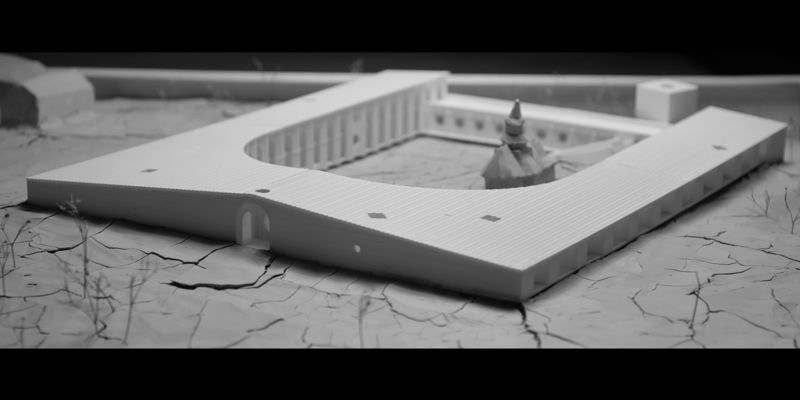
A Last Home
Young Talent 2025
YT Nominees
Alexandru Florin Ardelean
The palliative care center goes beyond functional solutions, focusing on the symbolic and emotional aspects of ontological moments. It integrates medicine, philosophy, anthropology, and psychology, addressing the vulnerability of those suffering and the needs of their loved ones.
EUmies Awards Young Talent
Social welfare
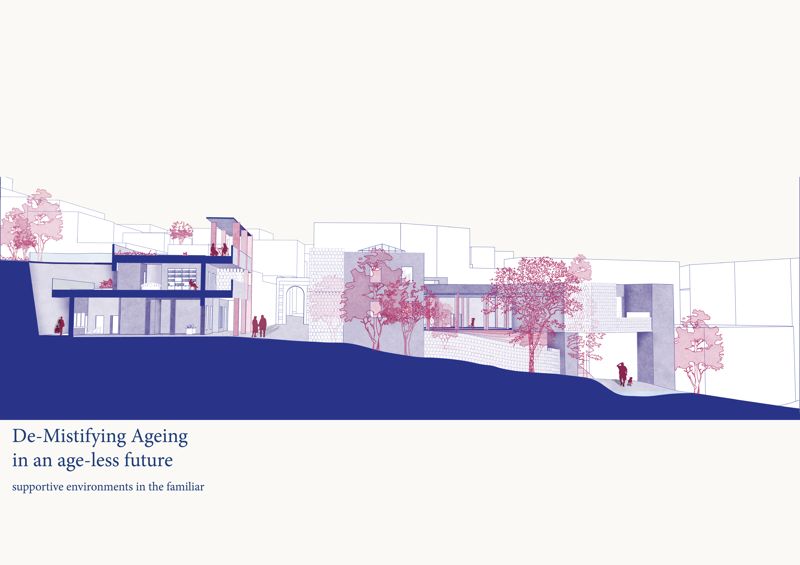
De-Mistifying Ageing in an age-less future
Young Talent 2025
YT Nominees
Dawn Briscoe
Growing old is often seen as a time to decline and become redundant. Dictionaries explain “ageing” as the process of getting older and becoming less healthy and efficient. This study aims to propose a new definition, one where “ageing” means becoming older and free to choose your own pace in life.
EUmies Awards Young Talent
Mixed use – Cultural & Social
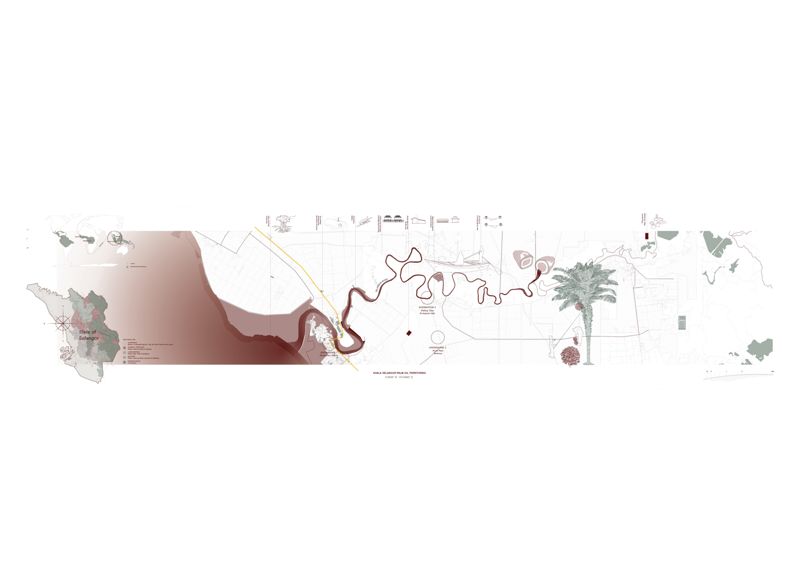
Beneath the Shadows of Palm
Young Talent 2025
YT Open Nominees
Danielle Lee
Beneath the Shadows of Palm explores an innovative material by incorporating palm waste into sustainable building tectonics, reshaping the energy flows and risks associated with palm oil production through the integration of ecological dynamics and revitalization of socio-cultural relationships.
EUmies Awards Young Talent
Education
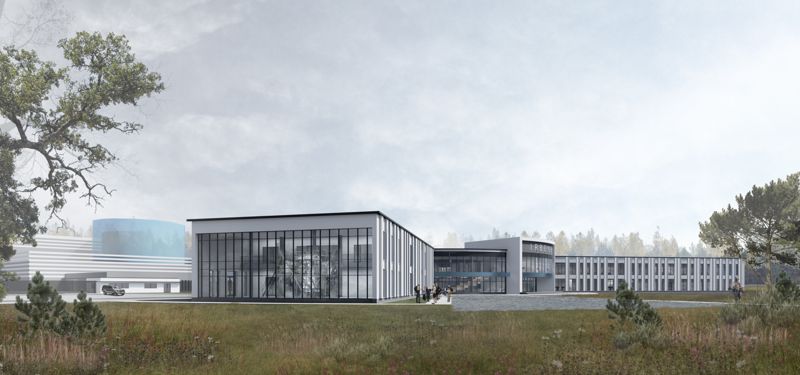
Nuclear Power Plant in Latvia: Research Center near the Nuclear Reactor
Young Talent 2025
YT Nominees
Tils Zigmunds Ozoliņš
This project proposes a modern approach to power plant design, integrating a research center with a nuclear power plant in Latvia. It transforms a degraded site into a sustainable energy and research hub, addressing energy independence, multifunctionality and architectural innovation.
EUmies Awards Young Talent
Culture
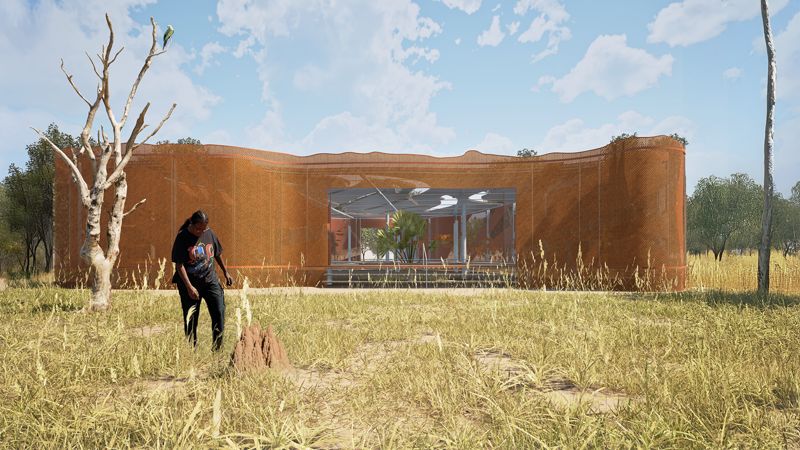
Echoes of Murrumburr Country
Young Talent 2025
YT Open Nominees
Billy Swain
The architecture is rooted in Kakadu’s landscape, guided by the Murumburr. Structures emerge gently and ochre steels mirror traditional shelters and Bininj art. These porous, humble spaces foster storytelling, cultural exchange, and environmental respect, prioritising Country over built form.
EUmies Awards Young Talent
Mixed use – Cultural & Social
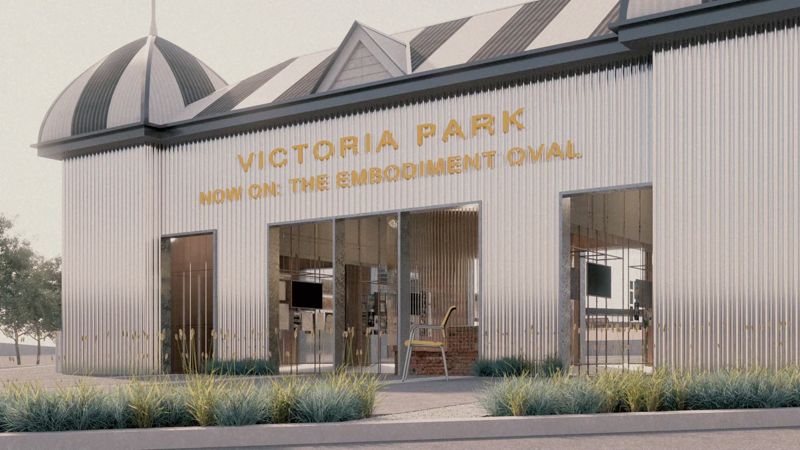
The Embodiment Oval
Young Talent 2025
YT Open Nominees
Kim Huang
The Embodiment Oval situates itself within a holistic Model of Care based on salutogenic principles, in response to the 2019 Royal Commission into Victoria’s Mental Health System in Australia. It uses adaptive reuse methods to re-purpose a community football oval into a therapeutic healing place.
EUmies Awards Young Talent
Mixed use – Cultural & Social
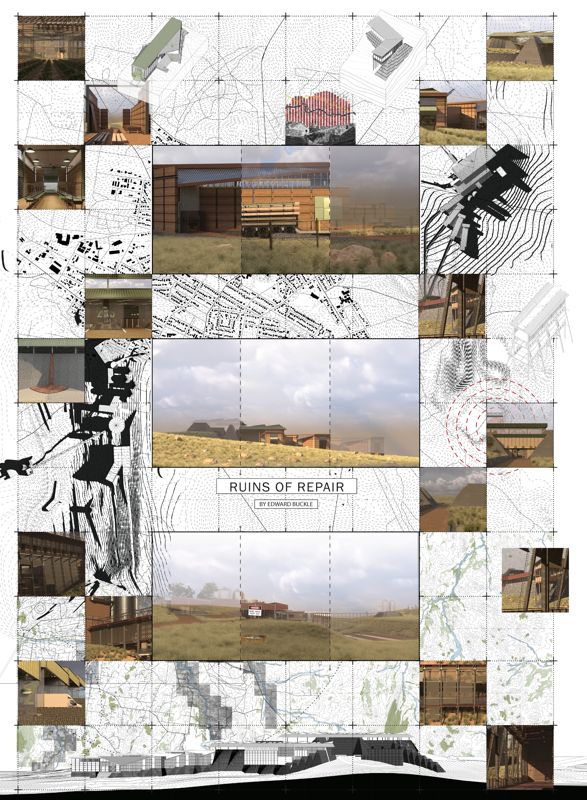
Ruins of Repair
Young Talent 2025
YT Open Nominees
Edward Buckle
Ruins of repair explores how material left in the wake of resource extraction might be seen as a resource. Through creating a reverse mine, the reconfigured infrastructure of the gold mine extracts waste as a resource to form an architecture capable of reflecting the sites varied and torbid past
EUmies Awards Young Talent
Culture
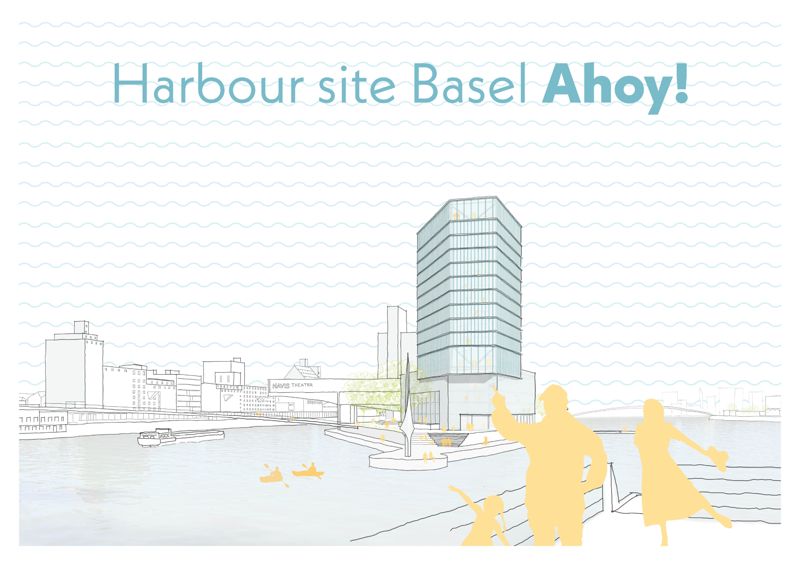
Basel harbour site ahoy! Transformation of an industrial building ensemble on the West-Quay
Young Talent 2025
YT Nominees
Zoe Fränkle
The transformation of Basel’s harbour reimagines the West-Quay as a vibrant cross-border district for Switzerland, France and Germany. With a media library, cultural center, university tower and theatre, the project blends heritage and innovation, creating a landmark hub for culture and interaction.
EUmies Awards Young Talent
Education
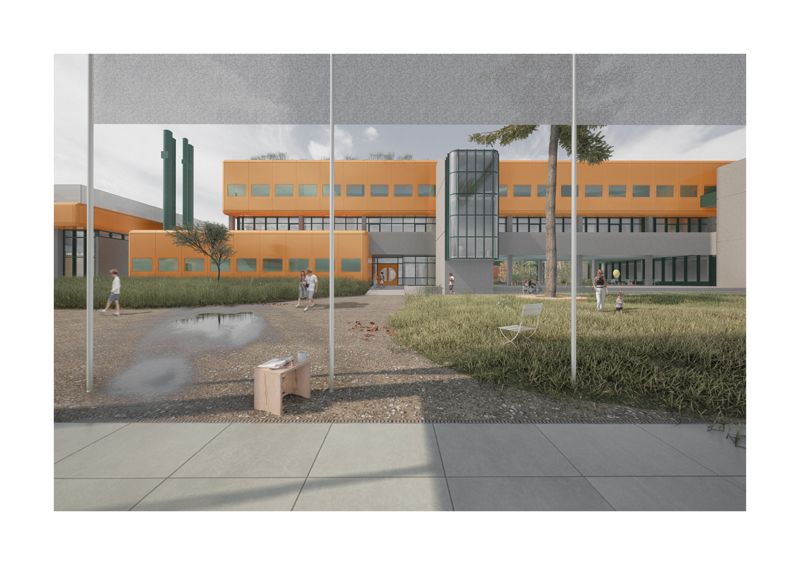
resilient monument
Young Talent 2025
YT Nominees
Maxi Anja Groß · Anna Okon
When, if not now should the architectural heritage of 1970’s modernism be appreciated? Criticizing Berlin’s neglect of monuments, the project proposes a mediating, prospective architecture. A neighborhood-integrated educational center reactivates the site while preserving its visionary conception.
EUmies Awards Young Talent
Mixed use – Cultural & Social
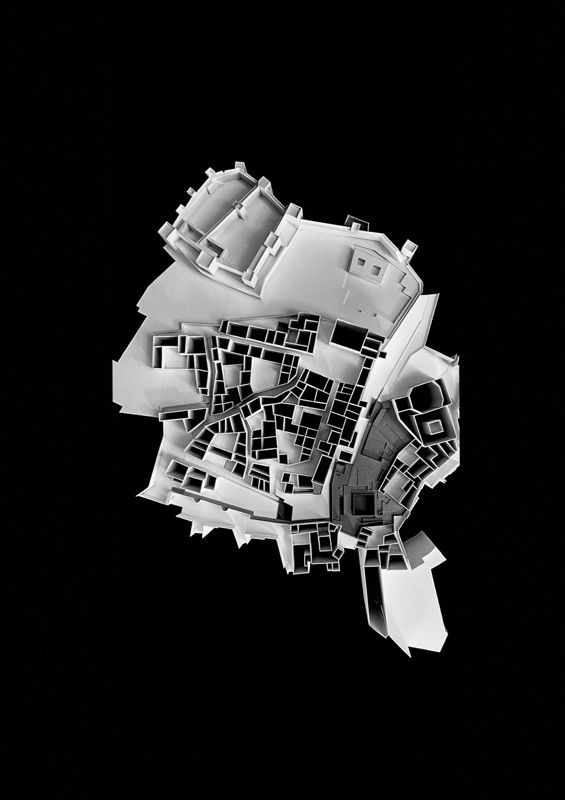
Restructuring the Alcáçova and Reinventing Water in the Hill of Castelo de São Jorge
Young Talent 2025
YT Nominees
João Maria de Oliveira Martins Bastos de Almeida
Studying the before, interpreting the now and designing the after are the main actions of this project, which restructures the core of Lisbon’s city walls and reinvents a water system that supplies a range of spaces and usage deeply connected to their historical, cultural, social and urban context.
EUmies Awards Young Talent
Mixed use – Cultural & Social
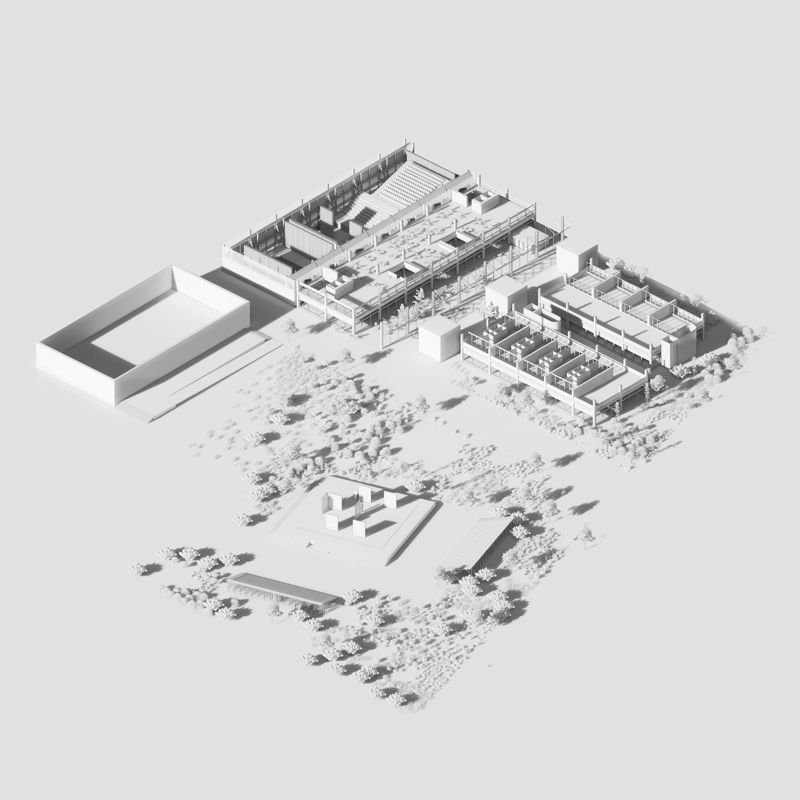
Paral.lel Cultural Nexus
Young Talent 2025
YT Shortlisted
Karine Bagdasaryan
The project transforms a non-consolidated block in Poble-sec neighborhood into public infrastructure, reactivating the abandoned Endesa factory. Prioritizing urban permeability and bioclimatic strategies, the intervention redefines contemporary hybrid spaces as catalysts for cultural exchange.
EUmies Awards Young Talent
Mixed use – Cultural & Social
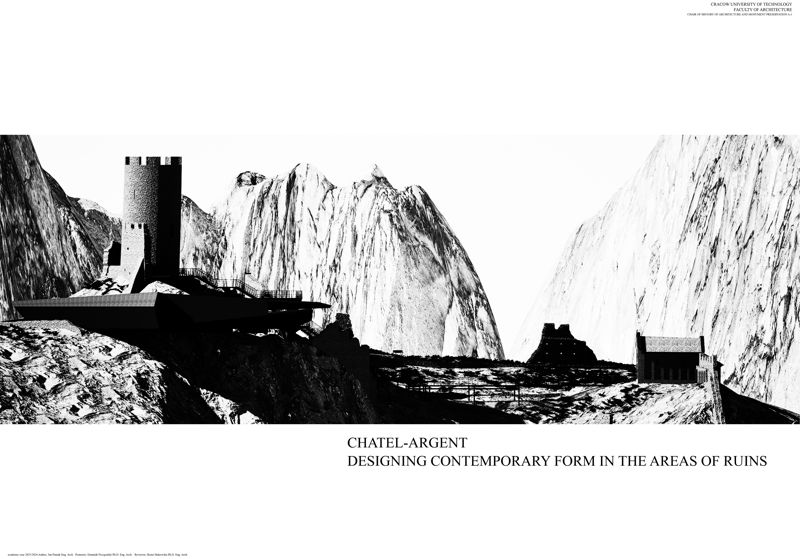
Châtel-Argent. Designing contemporary form in areas of ruins
Young Talent 2025
YT Nominees
Jan Paniak
The idea of the project is to create a modern form within the area of the ruins while respecting the existing structure and integrating functions that will support the operation of the site.
EUmies Awards Young Talent
Mixed use – Cultural & Social
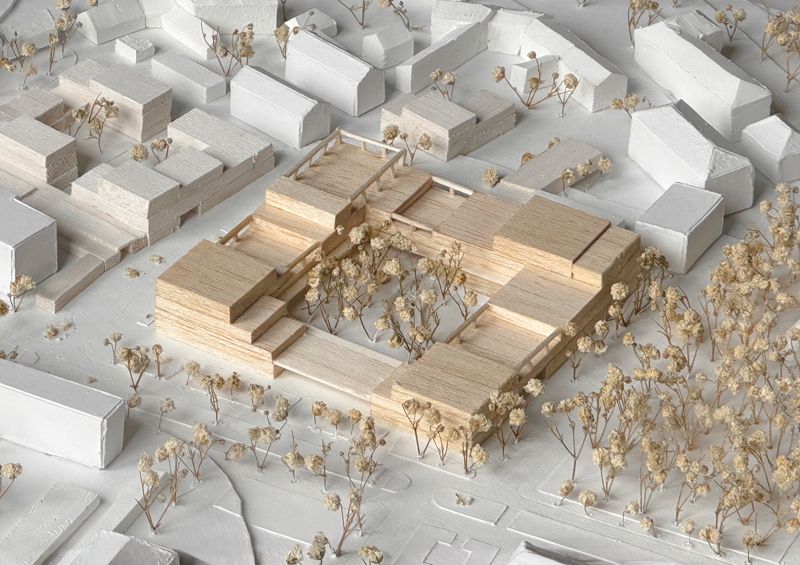
Dzielnia: The Square of Culture in Nowy Sącz
Young Talent 2025
YT Nominees
Zlata Hrabtsevich
Dzielnia project reimagines the once vibrant, yet now left underused, place in the city of Nowy Sącz – one of many examples of medium-sized Polish cities affected by depopulation – by transforming it into a hybrid cultural area interwoven with nature.
EUmies Awards Young Talent
Culture
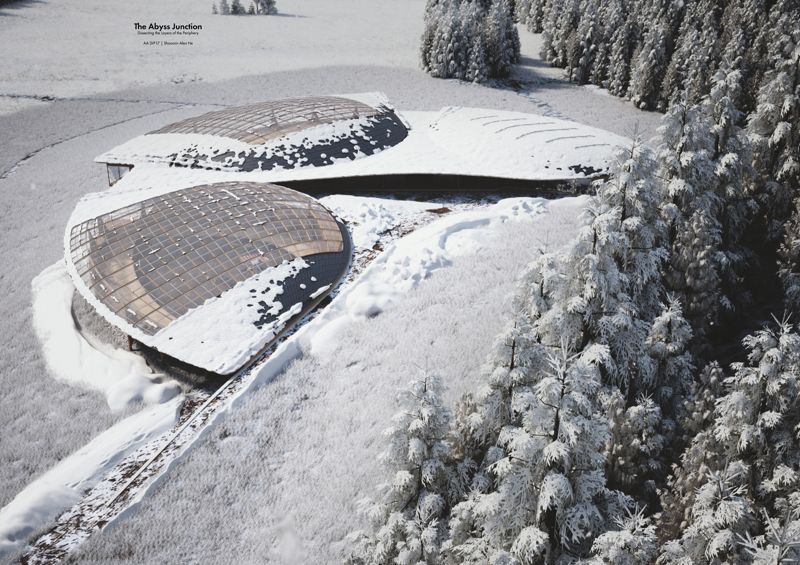
Abyss Junction
Young Talent 2025
YT Open Nominees
Shaomin Alex He
The Abyss Junction aims to recontextualise the peripheral industrial town of Eisenerzs, located in the Austrian Alps. Through the framing of views toward the industrial sites and the summits of the hikes, the building becomes a platform that disrupts the existing industrial continuum.
EUmies Awards Young Talent
Culture
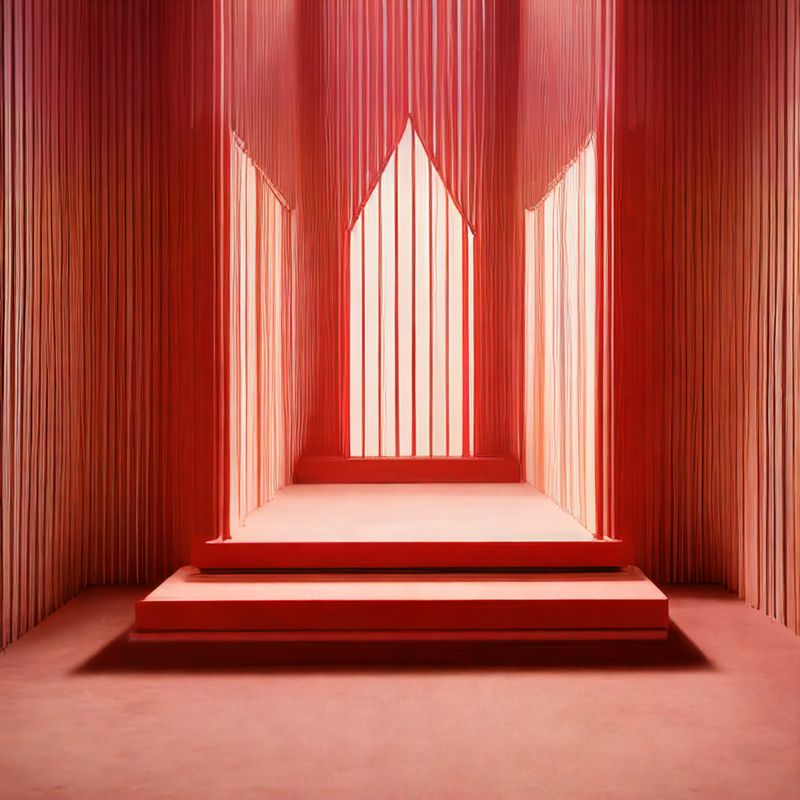
gene{t}rative
Young Talent 2025
YT Nominees
Salma BENSALEM · Marie FREDIANI
gene{t}rative explores, through theatrical scenography, new ways of designing spaces in the era of generative AI models, highlighting the importance of collective intelligence and challenging the way theater set traditions are approached.
EUmies Awards Young Talent
Mixed use – Cultural & Social
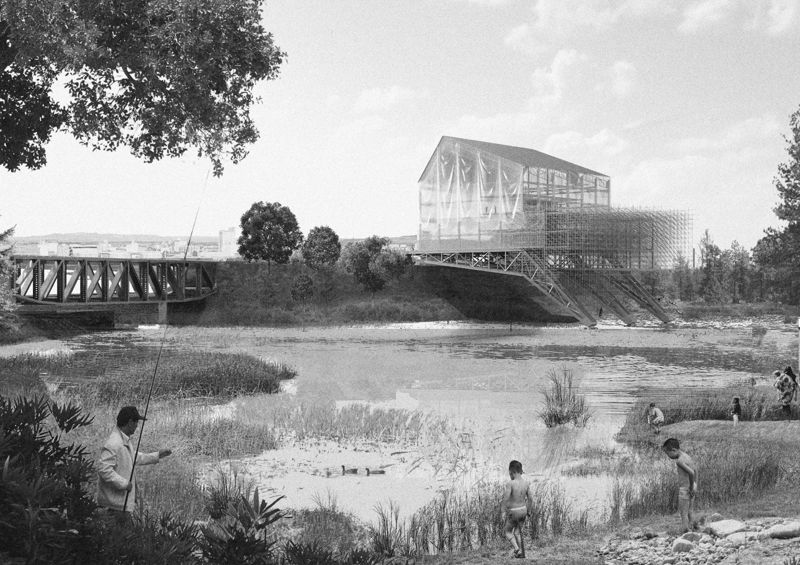
A Time-Slowing Machine
Young Talent 2025
YT Nominees
Clémentine SOUDEE · Thelma VEDRINE
A Time-Slowing Machine rethinks Basel’s marginal industrial north by blending conceptual architecture with landscape restoration of the Wiese, a Rhine tributary. Featuring a social circus and open-water baths, it repurposes infrastructures to explore time, space and the slow motion of its structure.
EUmies Awards Young Talent
Mixed use – Cultural & Social
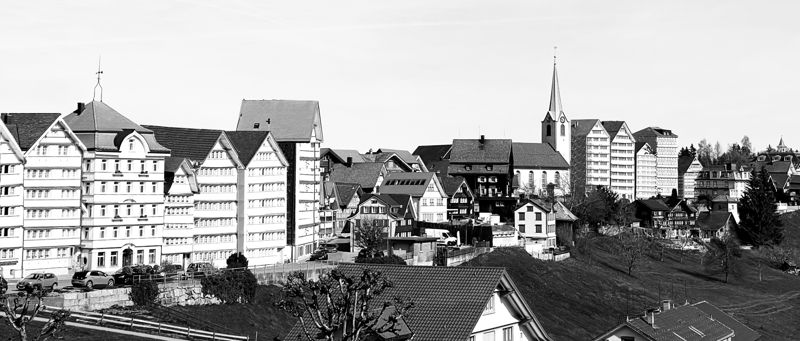
And the End is always open.
Young Talent 2025
YT Open Nominees
Florian Oertli
The work explores the question of the extent to which transformation is a precondition for preserving the quality of a place. It is about design-strategies that focus on the everyday, the existing. Architecture is understood as a constantly ongoing process and not as a statically completed object.
EUmies Awards Young Talent
Mixed use – Cultural & Social
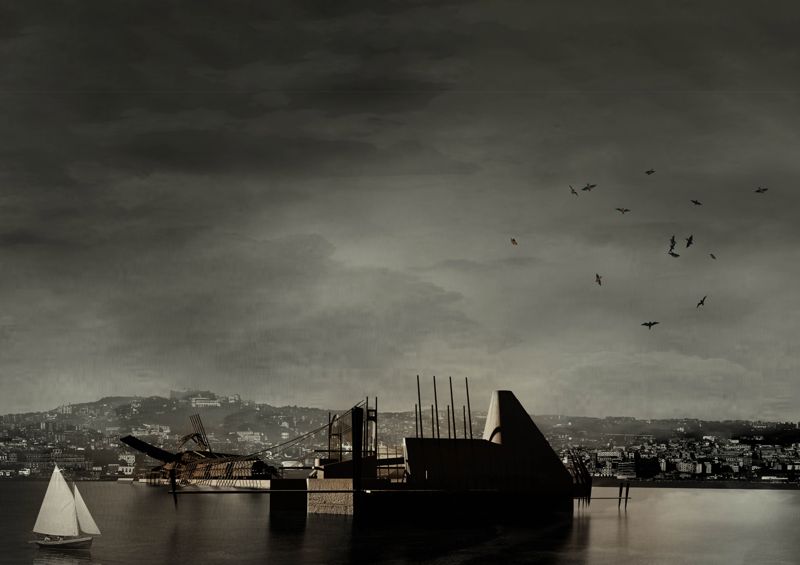
Merciful Shadows
Young Talent 2025
YT Nominees
Samuel Caplice · Paddy Doyle
Merciful Shadows explores how architecture can embody acts of mercy in Naples, inspired by Caravaggio’s The Seven Acts of Mercy. Three civic programs—The [Ex]change House, Vinorium, and Lost Lives Archive, reinterpret Caravaggio’s work into architectural gestures to respond to social issues.
EUmies Awards Young Talent
Social welfare
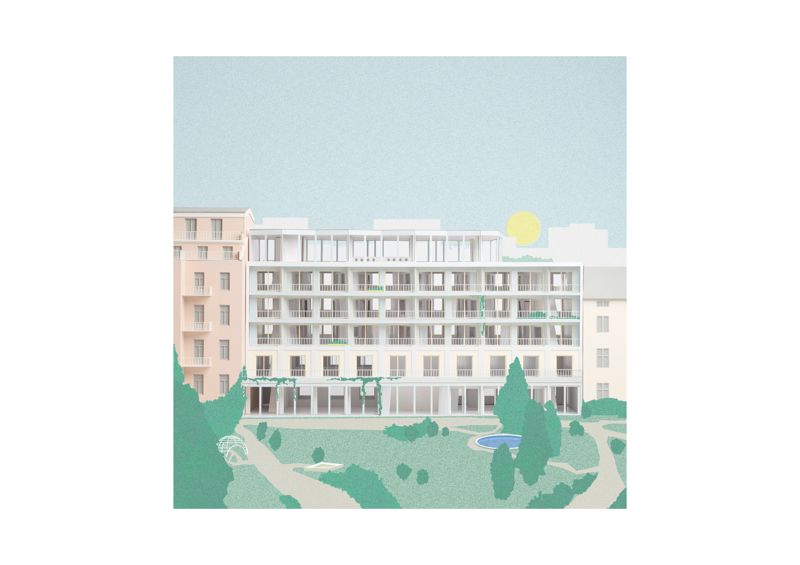
Women’s Shelter in an Urban Context
Young Talent 2025
YT Nominees
Astrid Matell
Exploring an alternative to traditional women’s shelters, where safety does not mean exclusion. Inspired by monasteries, it reintroduces the “thick wall” concept. The framework balances openness, enclosure, and thresholds as protection strategies — creating a community orientated emergency housing.
EUmies Awards Young Talent
Culture
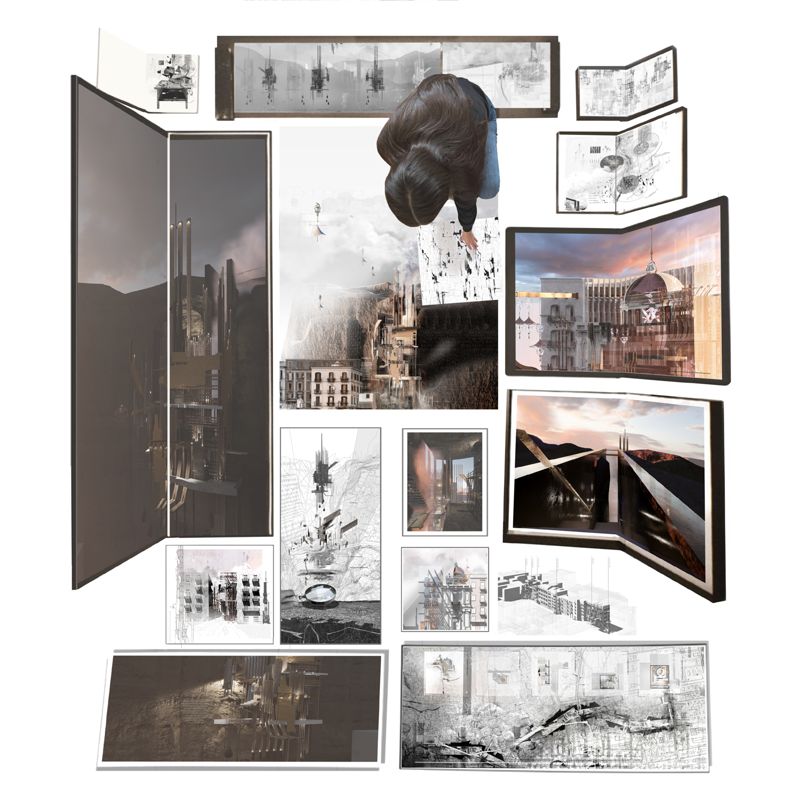
The [Anti]Festival of Conservation
Young Talent 2025
YT Nominees
Alex Macheta
The [Anti]Festival of Conservation in Naples challenges the city’s tourist-driven identity loss.Through five interventions across two districts, it reimagines neglected spaces, revives local crafts and fosters dialogue between past and present, inviting participants on an immersive cultural journey.
EUmies Awards Young Talent
Education
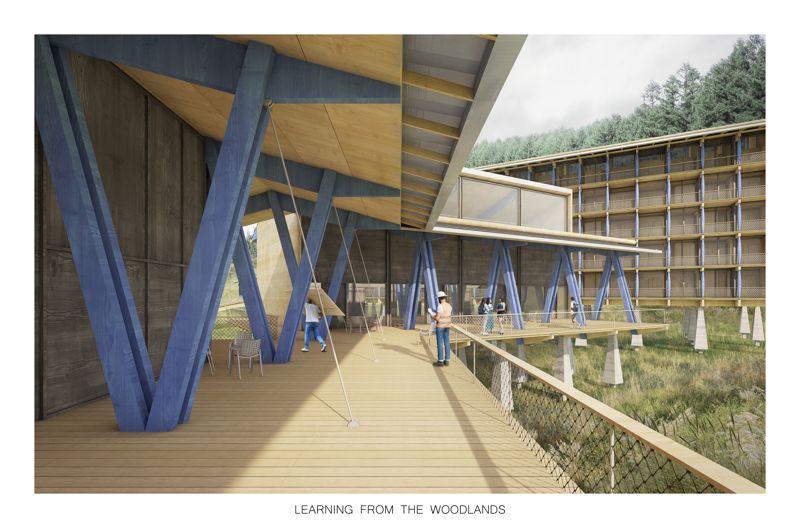
Learning from the Woodlands
Young Talent 2025
YT Nominees
Mariano Managò
“Learning from the Woodlands” deals with the planning and design of a vocational school for carpenters in the Elz Valley, located in the southern Black Forest. The project envisions a school for contemporary timber construction, deeply rooted in the examination of the challenges of the region.
EUmies Awards Young Talent
Mixed use – Cultural & Social
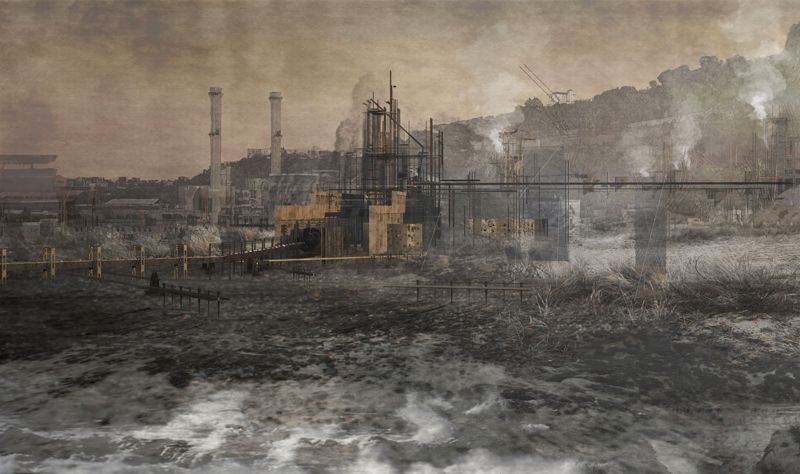
Against Extinction
Young Talent 2025
YT Nominees
Aoife Marie O’Connor · Aleksandra Polak
Utilising dual realities in the Gulf of Pozzuoli, The Festival of Extinction preserves knowledge from our most climate vulnerable communities. The architecture manifests the extinction scenario caused by inaction, finding redemption by slowing capitalistic processes as collaboration is celebrated.
EUmies Awards Young Talent
Mixed use – Cultural & Social
Prophetic Diffractions
Young Talent 2025
YT Nominees
Ailbhe Boland · Emma Walsh
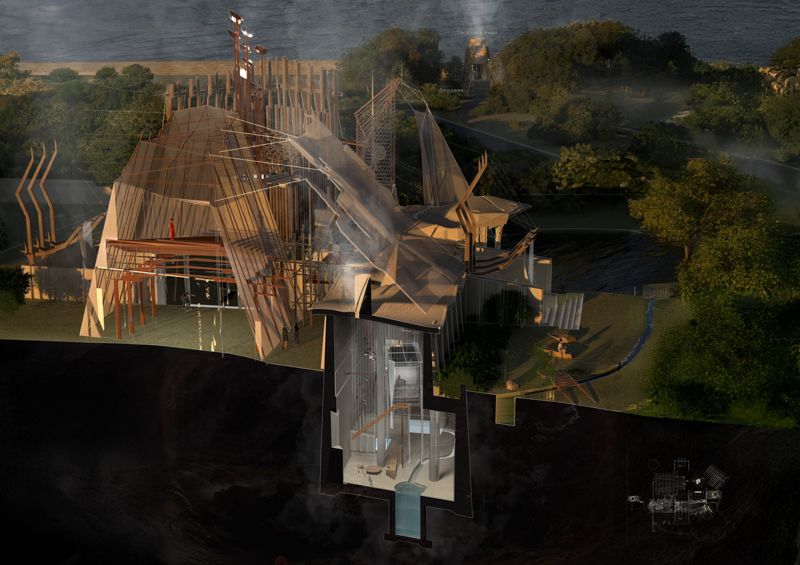
Constituted as a ‘psicofavola’ or ‘psycho-fable’ and based on Mary Shelley’s apocalyptic tale “The Last Man,” the project involves the reinscription of feminist identity into the landscape of the Phlegraean Fields in Naples, through an architectural triad, facilitating feminist learning and healing.
EUmies Awards Young Talent
Mixed use – Cultural & Social
Behcinar: incompatible scenarios, blurred traces and a lost garden
Young Talent 2025
YT Shortlisted
Theoni Gkesiou
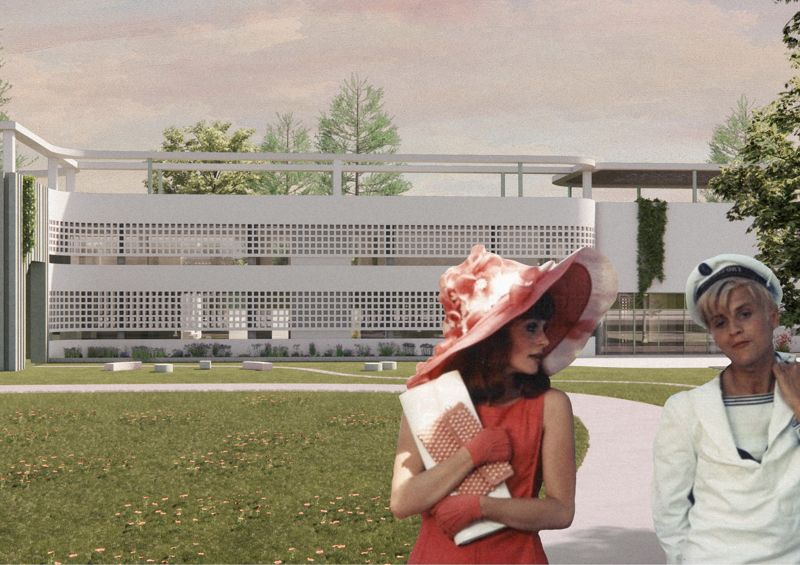
The current project redefines the typology of the enclosed garden, expanding its boundaries as an active design element. By integrating social space, it fosters interaction, collaboration, and new ways of inhabiting the degraded urban landscape, transforming it into a dynamic, engaging environment.
EUmies Awards Young Talent
Mixed use – Cultural & Social
Heterotopia
Young Talent 2025
YT Open Shortlisted
Ayça Tuğran
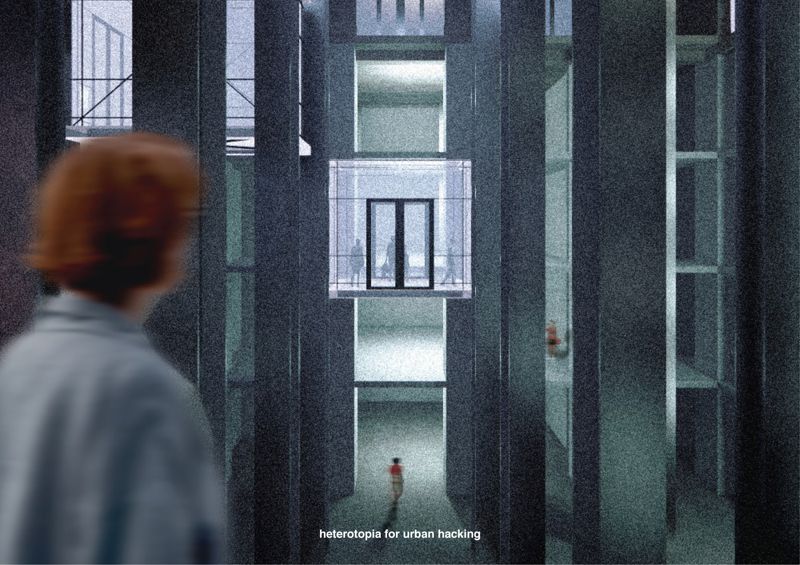
Heterotopia for Urban Hacking redefines public space through interventions that dismantle, reappropriate, and expose infrastructures to create dynamic spaces for memory and discourse. By integrating enclaves & armatures by heterotopias, it merges history, urban layers, and human interaction.
EUmies Awards Young Talent
Mixed use – Cultural & Social
More than a Machine
Young Talent 2025
YT Nominees
Katharina Maria Bitschnau
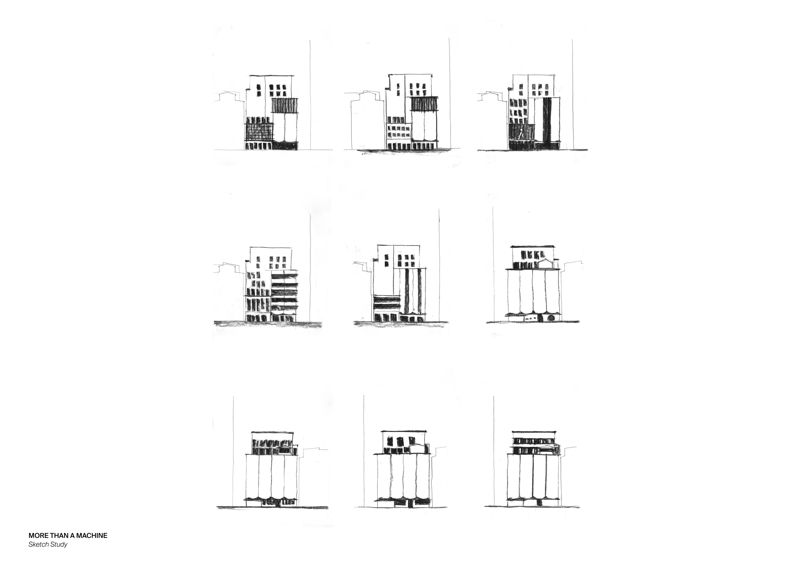
As Stockholm expands, former industrial areas like Värtahamnen and Norra Djurgårdsstaden are redeveloped, raising land values around the brutalist Silo 1. With its original use obsolete, this project explores how the structure can be reimagined for the post-industrial era.
EUmies Awards Young Talent
Mixed use – Cultural & Social
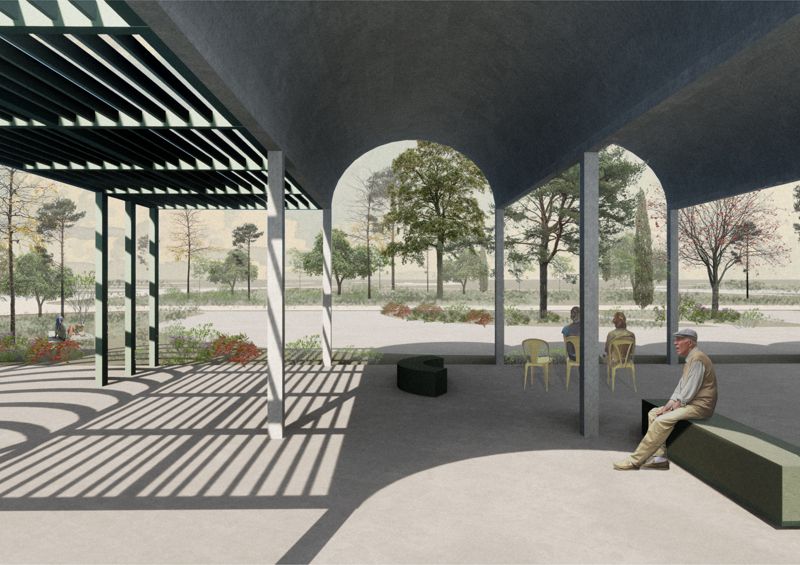
Tracing Thermaikos coast: Revival of a forgotten resort
Young Talent 2025
YT Nominees
Konstantina Potsou
This project aims to revive its 1960s character by preserving nature and introducing cultural, recreational, and exploratory spaces. With minimal interventions, it fosters heritage, sustainability, and community engagement.
EUmies Awards Young Talent
Mixed use – Cultural & Social
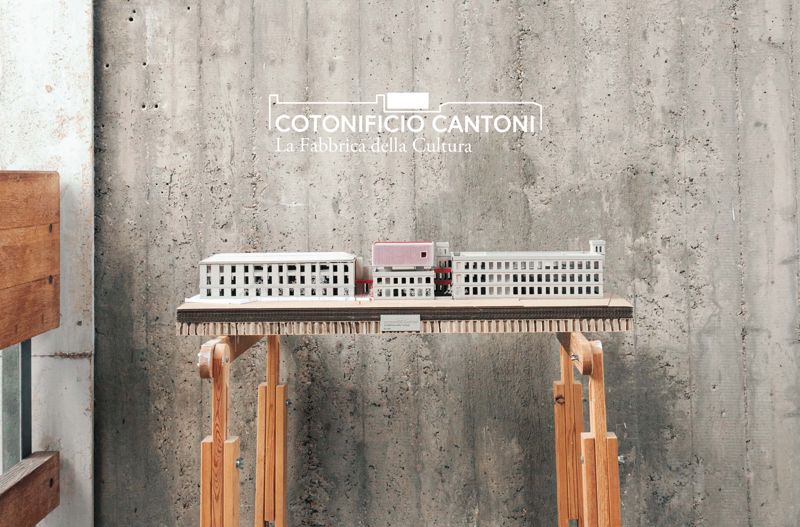
Cotonificio Cantoni – Transformation of a cotton spinning mill on Lago di Como
Young Talent 2025
YT Nominees
Max Passgang
The Cotonificio Cantoni in Bellano, built in 1902, stands vacant, dividing the town and disconnecting key landmarks. The project transforms the former factory into a creative hub with workshops, public walkways, and residential spaces, reconnecting the town, river, and railway station.
EUmies Awards Young Talent
Mixed use – Cultural & Social
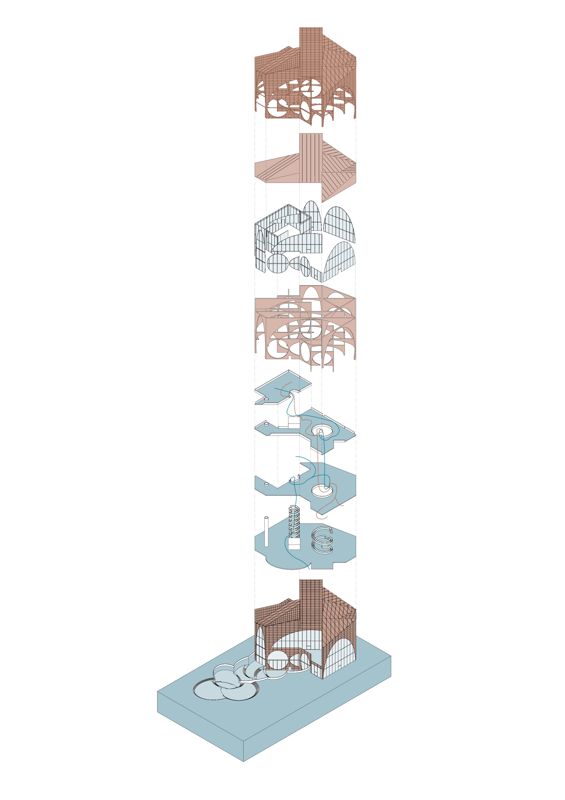
Comparison with Zaha. Expansion of the MAXXI museum in Rome
Young Talent 2025
YT Nominees
Ubaldo Mangiacapra
A complementary building at the MAXXI Museum, part of the “Grande MAXXI” expansion, features a 6×6 m grid of arches, integrating space, matter, and light. With a strong focus on sustainability, it seamlessly connects interior and exterior, balancing classical heritage with contemporary innovation.
EUmies Awards Young Talent
Mixed use – Cultural & Social
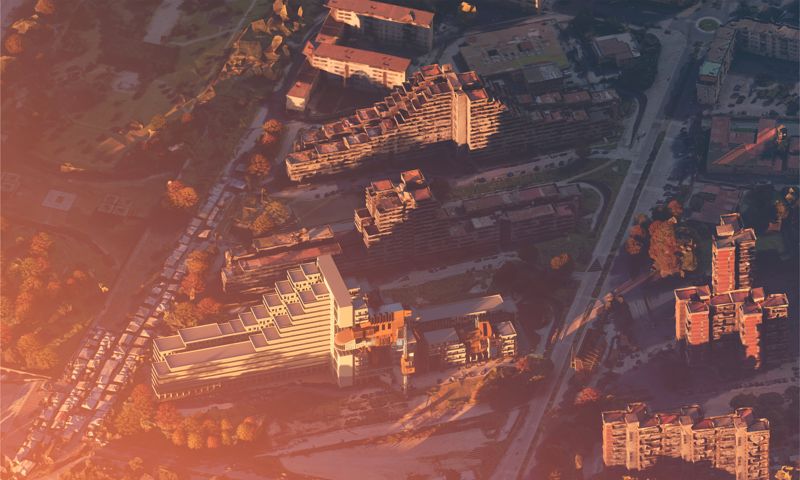
Rescripted Neapolitan Realities
Young Talent 2025
YT Finalists
Kieran Maye · James Pearce
The Vele di Scampia, once a modernist vision, now stand as symbols of decay and erasure. Shaped by both architecture and myth, they hold a contested identity. This project restages them as cultural archives, using participatory filmmaking to reshape their narrative and reconnect them with Naples.
EUmies Awards Young Talent
Culture
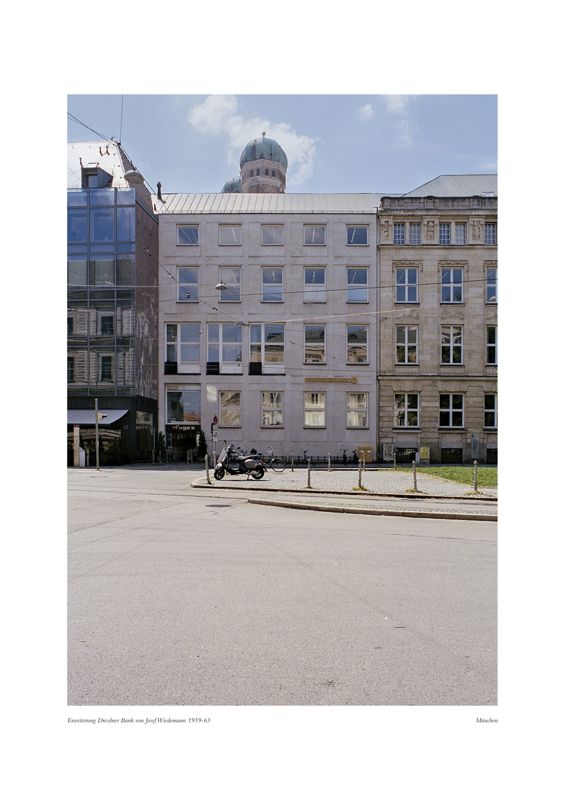
From Stockholm to Munich. References from Denmark and Sweden in Munich’s Post War Architecture
Young Talent 2025
YT Nominees
Bramann Florian
this study is the first to directly compare eight Munich buildings with their Danish and Swedish references. Moreover, it becomes evident that the sources of inspiration for these Munich Post-War buildings were not always in Sweden or Denmark, but often stemmed from shared precedents.
EUmies Awards Young Talent
Mixed use – Cultural & Social
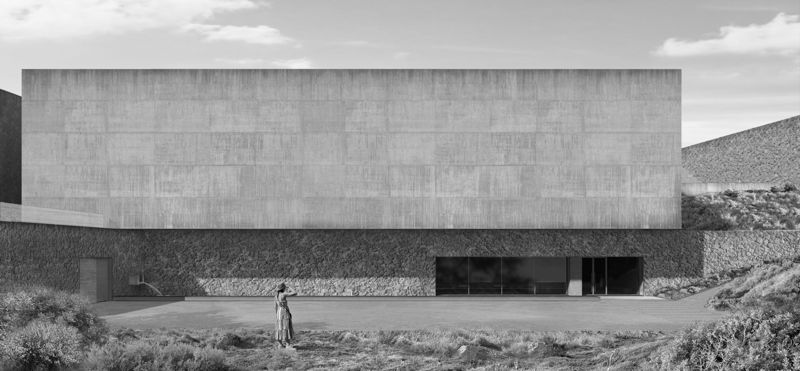
Water-Mine
Young Talent 2025
YT Shortlisted
Davide Filipi · Giorgio Lana
Water-Mine explores the essence of memories within the architectural discourse on the recovery of mining areas subject to the persistence of industrial archaeology. The project creates tools, such as echoes and resonances, to evoke an implicit presence of water within the monumental washing plants.
EUmies Awards Young Talent
Mixed use – Cultural & Social
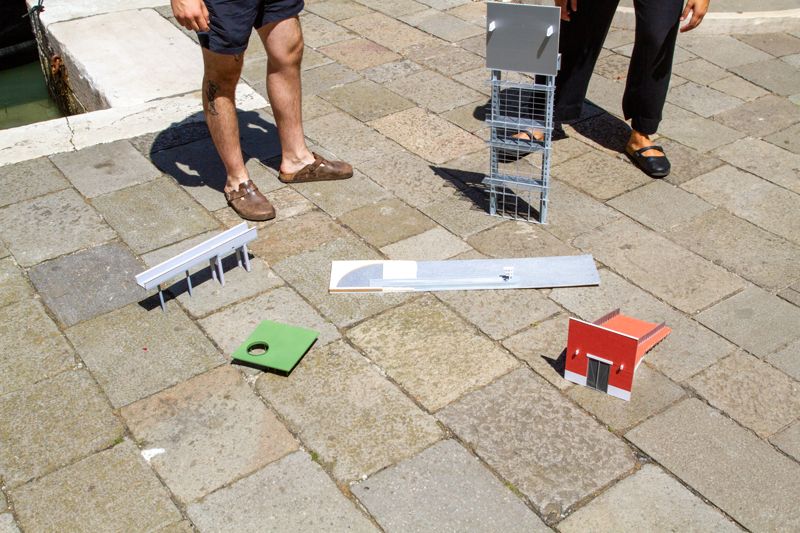
Three Chimneys Archipelago
Young Talent 2025
YT Finalists
Valentina Ciancaglini · Giulio Giannico
This thesis explores the regeneration of industrial heritage at Les Tres Xemeneies in Sant Adrià de Besòs. It examines urban voids left by deindustrialization and proposes reuse strategies to integrate the site into Barcelona’s periphery while preserving its historical and social value.
EUmies Awards Young Talent
Culture
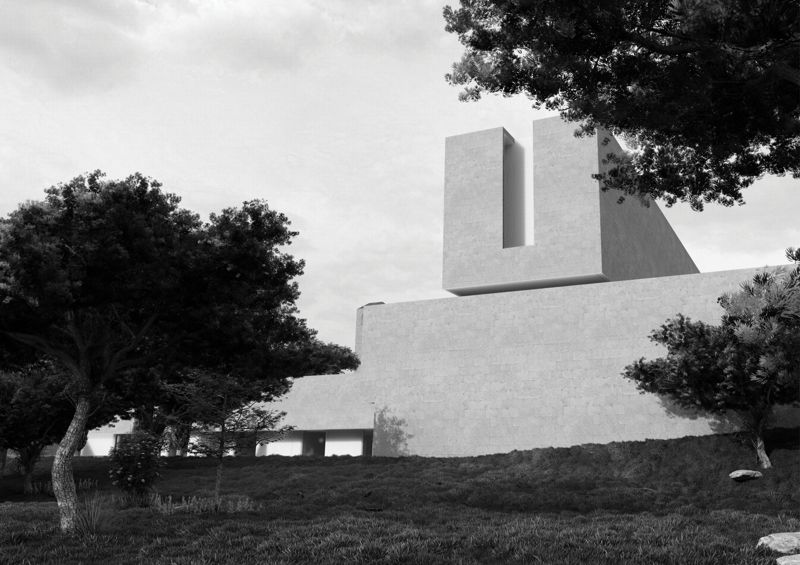
Imagining the Space and Time: The reconversion of the Clarissa’s monastery
Young Talent 2025
YT Nominees
João Belchior Soares Tomás Rafael
Studying Santarém’s former Clarissa convent, a site altered in the Estado Novo period leaving a lone cistern marking the cloister the only element. This thesis explores its rich archaeological and cultural past. It proposes a museological design connecting history, urban memory, and community.
EUmies Awards Young Talent
Funerary
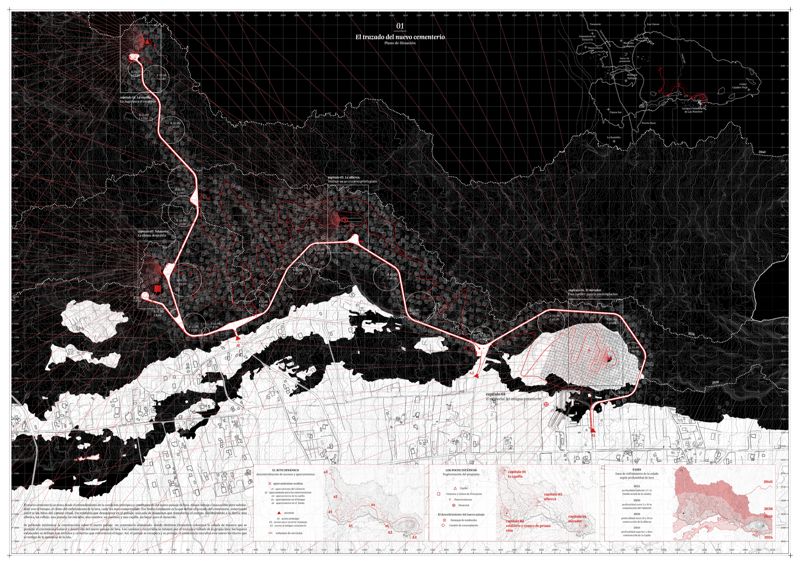
Sacred
Young Talent 2025
YT Finalists
María De Sotto Martín
Sagrado is a proposal for an atomised cemetery over La Palma’s new lava landscape. The project discovers this evolving landscape through a dynamic ritual and a sacred sequence of spaces where nature, materials, and atmospherics bear witness to the island’s transformation and collective memory.
EUmies Awards Young Talent
Mixed use – Cultural & Social
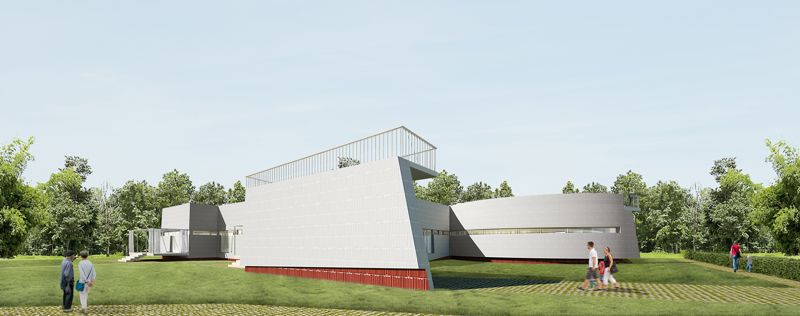
Design proposal for a Monastery of the Third Millennium
Young Talent 2025
YT Nominees
Giuseppina Bosso
The Monastery for the third millennium is a courtyard building composed of multipurpose common spaces combined with flexible rooms for private use. A model adaptable to different places, according to a contextual redevelopment logic that can provide for expansions and volumetric subtractions.
EUmies Awards Young Talent
Mixed use – Cultural & Social
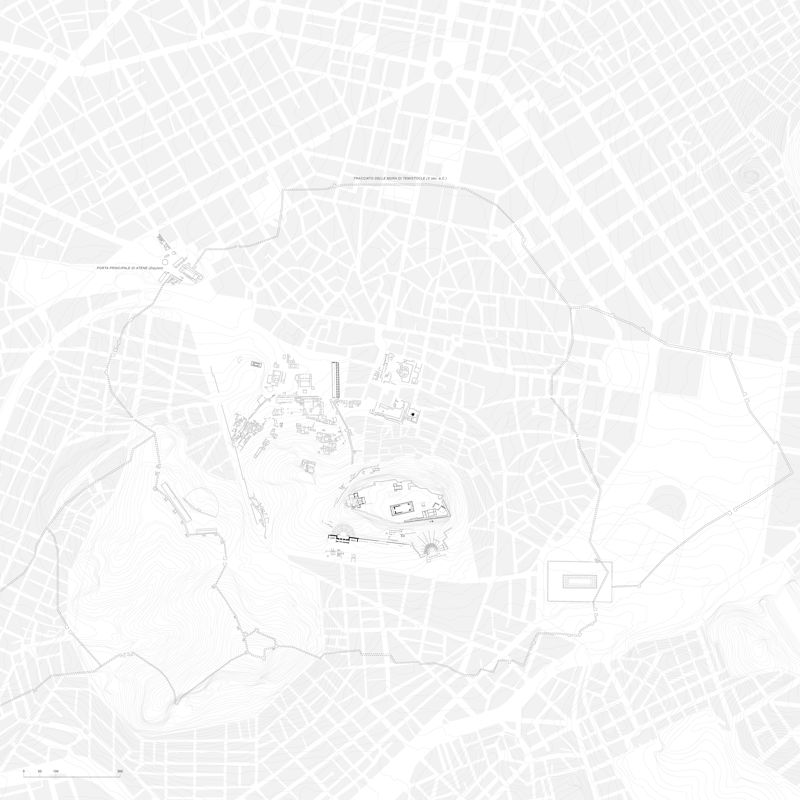
Making the invisible visible
Young Talent 2025
YT Nominees
Valeria Defilippis · Vittoria Pizzol
This thesis addresses the challenges of integrating archaeological sites in modern cities, emphasizing transformation projects for their conservation, valorization, and use. It explores these issues through a case study: the rehabilitation of the Acropolis archaeological site in Athens.
EUmies Awards Young Talent
Culture
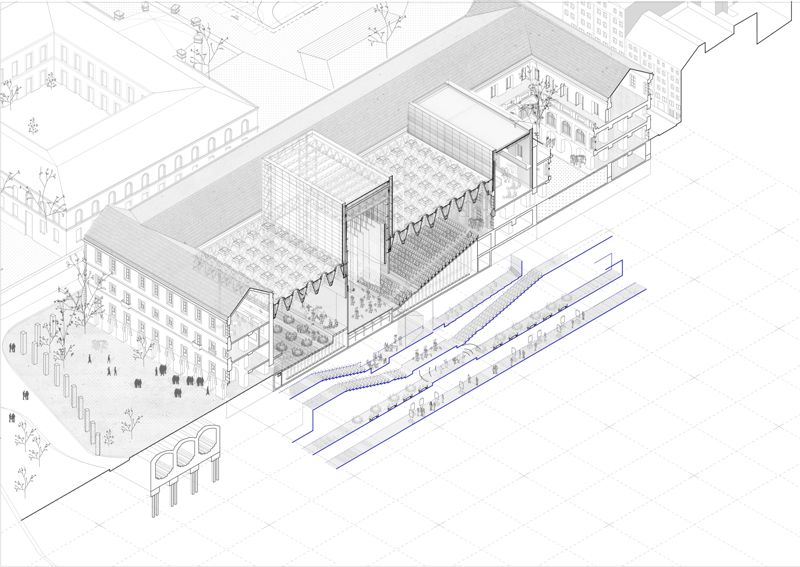
Tabacalera
Young Talent 2025
YT Finalists
Irene Calero Pagés
Tabacalera, located on Paseo de las Artes and considered a cultural landmark and a symbol of free expression for Madrid’s people, has been forgotten. This project shows the metamorphosis of industrial heritage by transforming the 18th-century tobacco factory into a new multifunctional arts centre.
EUmies Awards Young Talent
Education
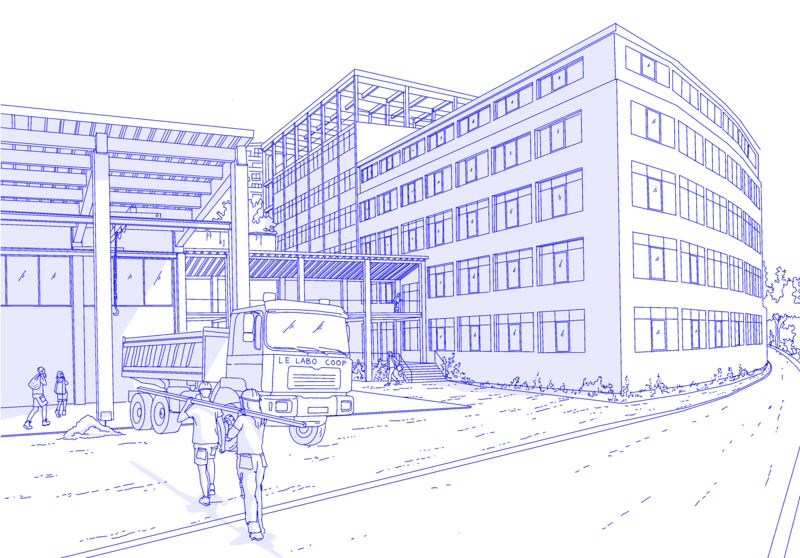
Labo(r)coop: Bridging Theory and Practice
Young Talent 2025
YT Nominees
Louise Werner
Labo(r)coop is a project focused on addressing gaps within the architectural field. It is conceived as an architectural laboratory bridging theory and practice by offering hands-on learning for students, professionals, and the public.
EUmies Awards Young Talent
Mixed use – Cultural & Social
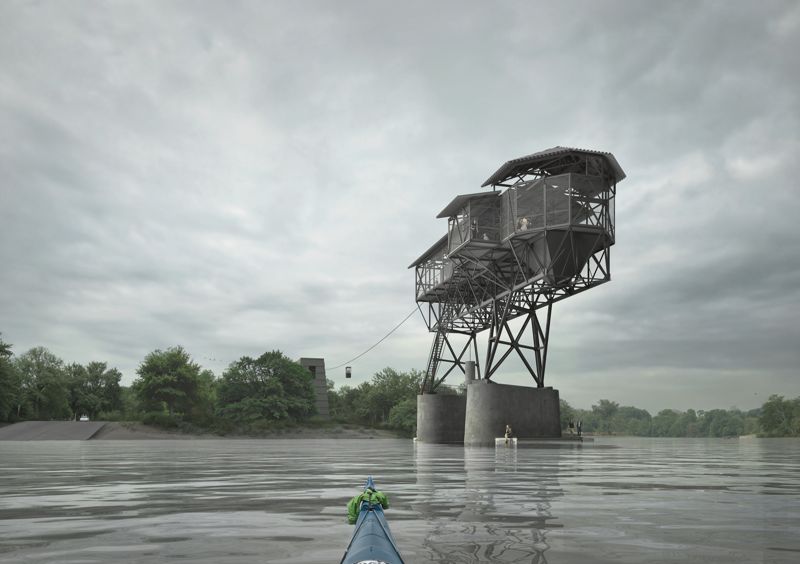
Coal Station Reloaded
Young Talent 2025
YT Nominees
Dániel Péter Klenóczky
This project revitalizes a unique industrial site, preserving its heritage while adapting it for today. Expressive spaces, a curated visitor journey, and panoramic views create a dynamic dialogue between past and present, transforming the site into an engaging public experience.
EUmies Awards Young Talent
Mixed use – Cultural & Social
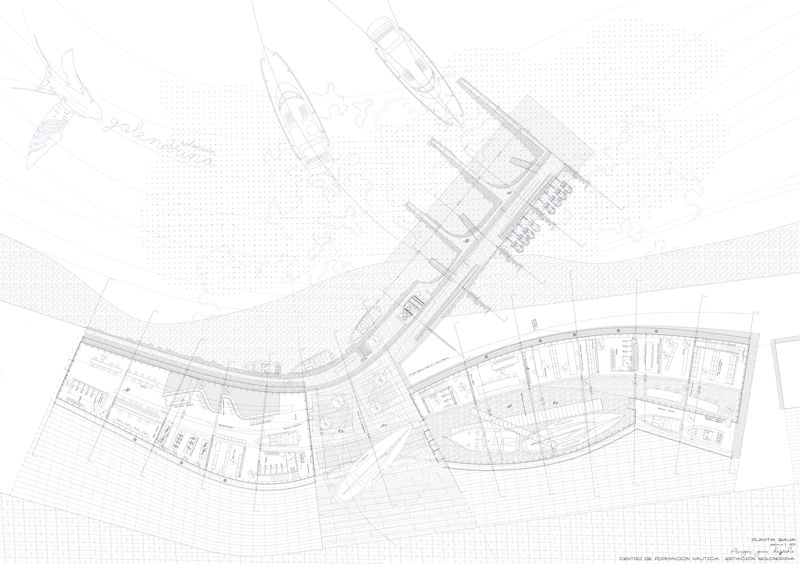
To embrace, to guide, to bid farewell
Young Talent 2025
YT Nominees
Margareta Milenkovic
A station, by its nature, by the necessary act of waiting, of living in an alternative time, until the clock marks the hour of departure, where time is constructed, and movement and velocity are altered. A moving, awaiting organism that watches over the sea and the harbour, now returned to the city.
EUmies Awards Young Talent
Culture
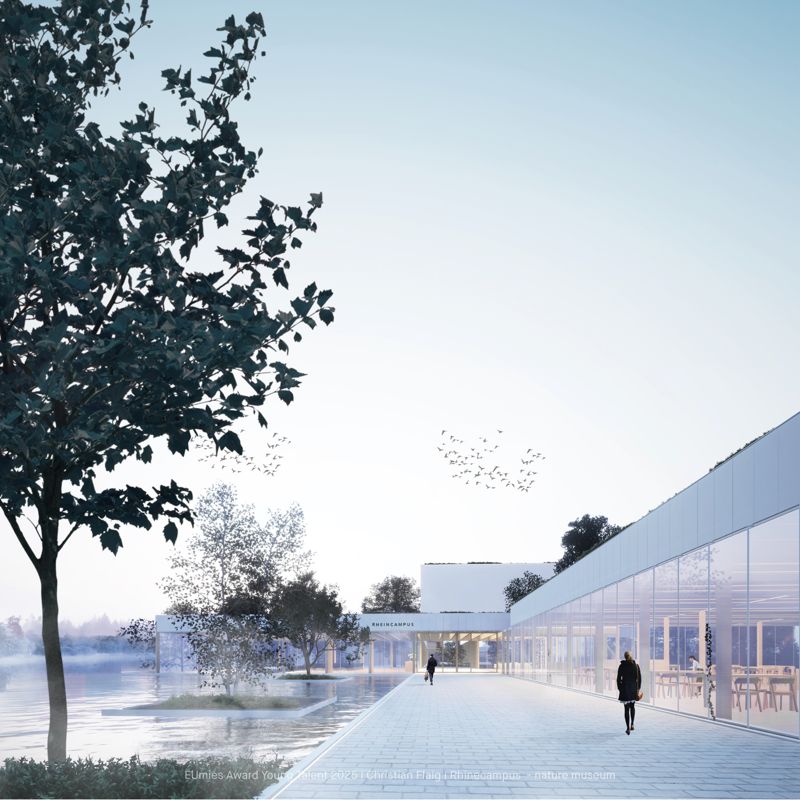
Rhinecampus – A nature campus for visitors and researchers on a decommissioned gravel pit
Young Talent 2025
YT Nominees
Flaig Christian
A former gravel pit is being transformed into a campus that combines research and museum. As you can only protect what you know, the invisible aspects of nature can be experienced by visitors. Through targeted staging, nature is staged as an experience space and can be enjoyed in a spectacular way.
EUmies Awards Young Talent
Culture
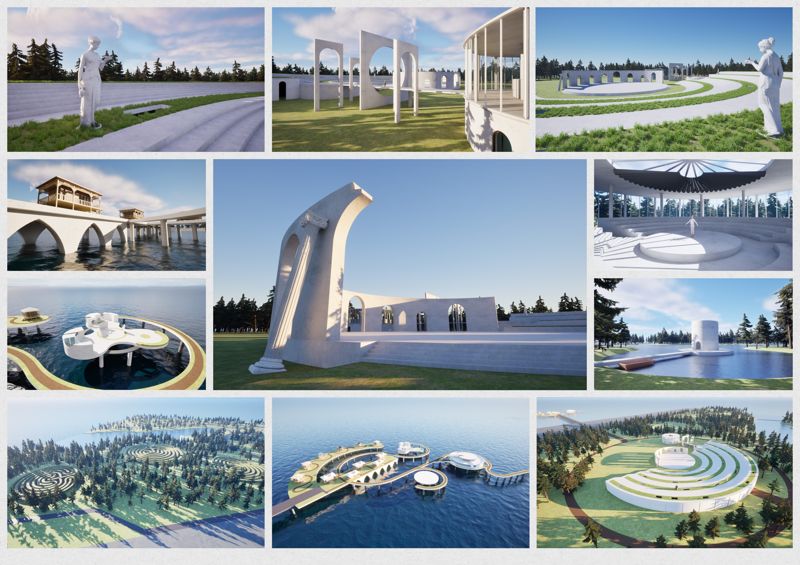
Topography of Philosophy
Young Talent 2025
YT Nominees
Anna Nergadze
This project bridges architecture and philosophy, blending the physical spaces we build with the infinite depths of our minds. It explores how architecture reflects both our external environment and our internal world, creating a deeper connection between the spaces we inhabit and our experiences.
EUmies Awards Young Talent
Mixed use – Cultural & Social
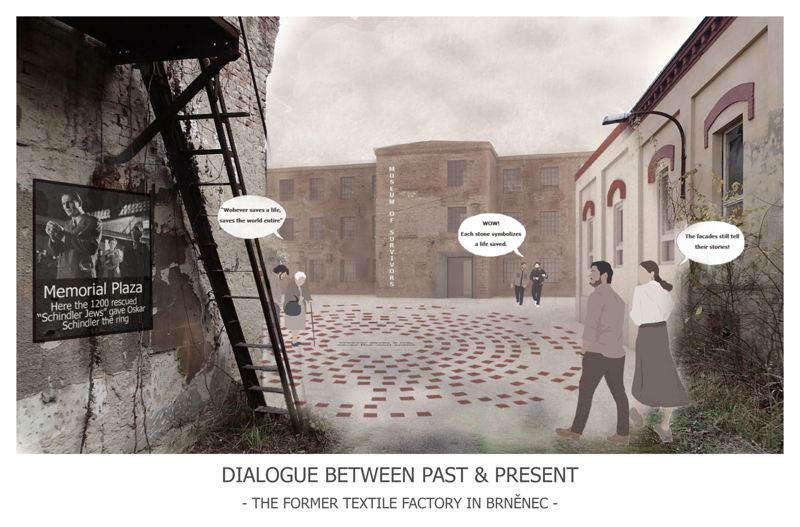
Dialogue between Past & Present
Young Talent 2025
YT Nominees
Nadin Rautenberg
With this project Oskar Schindler’s Ark becomes a living testimony to the dialogue between past and present. The new architecture allows the buildings to tell their stories, while actively promoting a positive culture of remembrance. It encourages ongoing intercultural exchange across generations.
EUmies Awards Young Talent
Mixed use – Cultural & Social
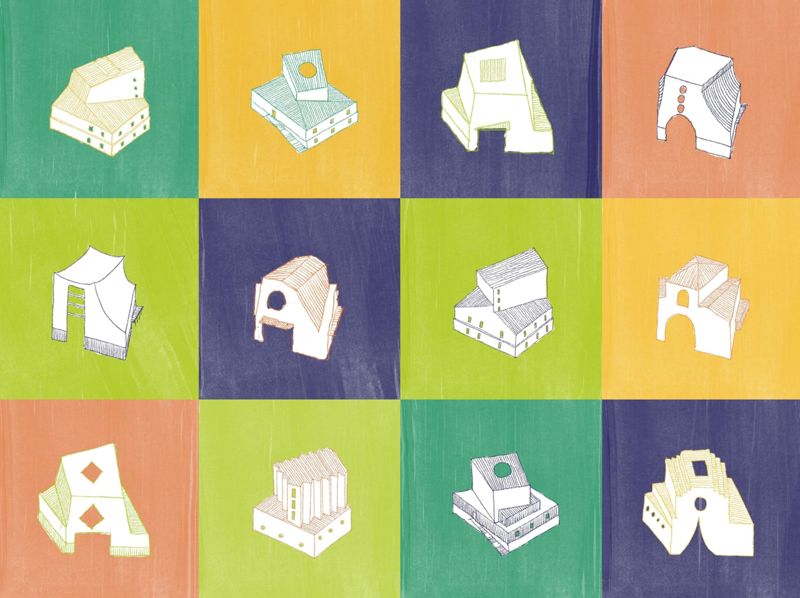
Theatre Pedagogy Workshop
Young Talent 2025
YT Nominees
Mátyás Weisz
The planned building will be home to theatre education, private lessons and Studio Theatre performances. Thanks to the space at the front of the building, it can also serve as an open air stage.
EUmies Awards Young Talent
Mixed use – Cultural & Social
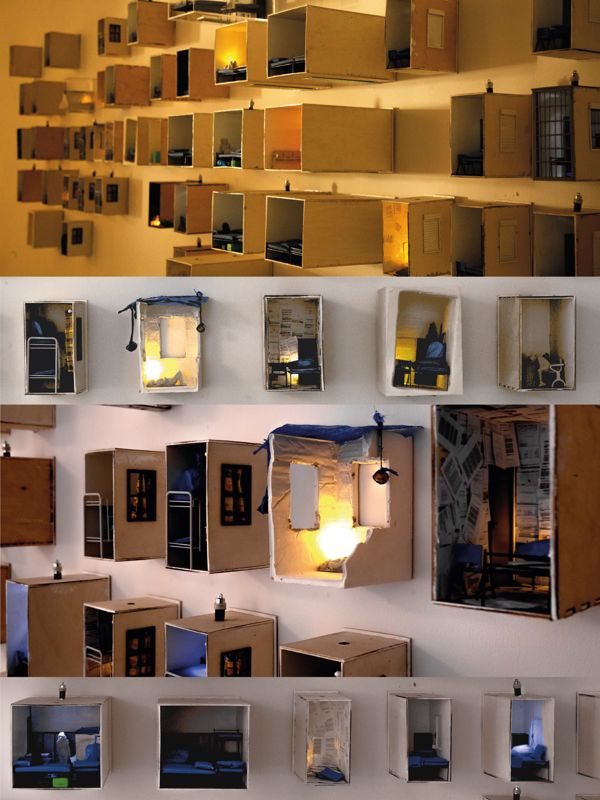
I am grateful (?)
Young Talent 2025
YT Nominees
Nasma Monawer Al-Shutfa
During my two-year asylum journey in the Netherlands, I was forced to move between five different refugee centres. In this installation, I have reconstructed a room from each of these centres where I temporarily lived: TER APEL, WASSENAAR, LUTTELGEEST, WAGENINGEN, AND AMSTERDAM.
EUmies Awards Young Talent
Culture
The Inclusive Museum: a new Quadriennale in Rome
Young Talent 2025
YT Open Nominees
Jacob Chawner · Sam Hall · Magdi Khalil · Joe Riordan
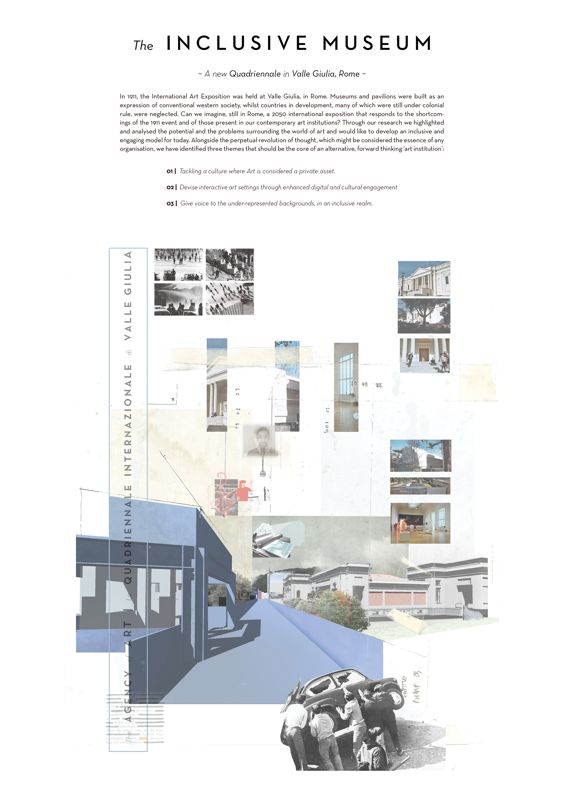
In 1911, the International Art Exposition was held at Valle Giulia. Pavilions were built to
express western society, whilst countries in development were neglected. Can we imagine, a 2050 exposition that responds to the shortcomings of 1911 and of those present in our contemporary art institutions?EUmies Awards Young Talent
Mixed use – Cultural & Social
(Un)Common Ground
Young Talent 2025
YT Open Nominees
Heather Coleman · Julia Grzesiak · Chetan Karadia · Alice Lilley
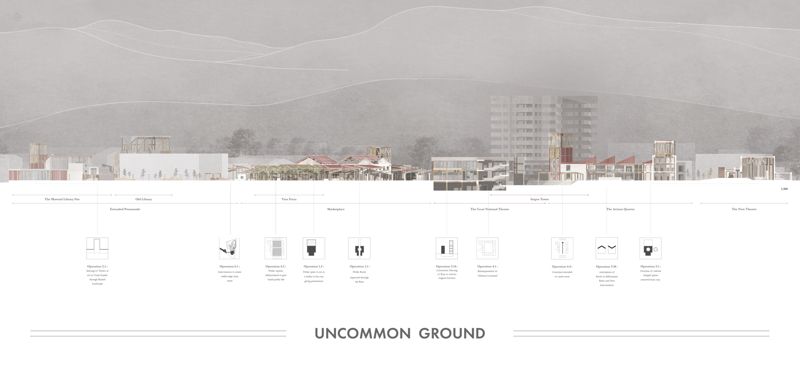
Heritage, particularly the intangible, has often not been regarded as an important developmental asset within contested spaces. The thesis aims to critically assess the developmental role of UNESCO World Heritage Sites, especially in post-conflict urban situations, taking Mostar as a case study.
EUmies Awards Young Talent
Culture
Cultural station “Power X Light”
Young Talent 2025
YT Nominees
Ana Šević
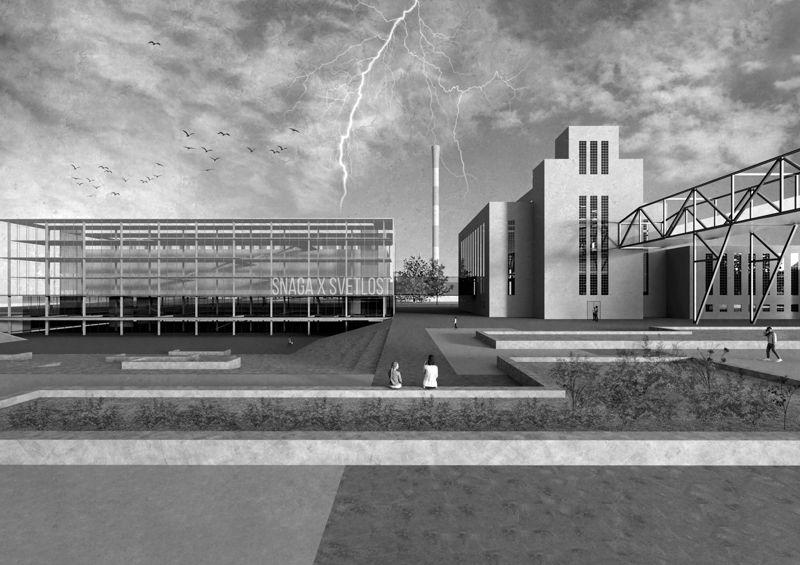
Addressing the issue of abandoned industrial heritage along Belgrade’s riverbank, this project transforms the “Power and Light” thermal power plant and its surroundings into a museum and cultural center. It reconnects the city with the Danube, emphasizing the unique qualities these spaces hold.
EUmies Awards Young Talent
Culture
The Girl of the Blue Thoughts
Young Talent 2025
YT Shortlisted
Luciana Cecilia Aloisio Delgado · Molly Jade Davey
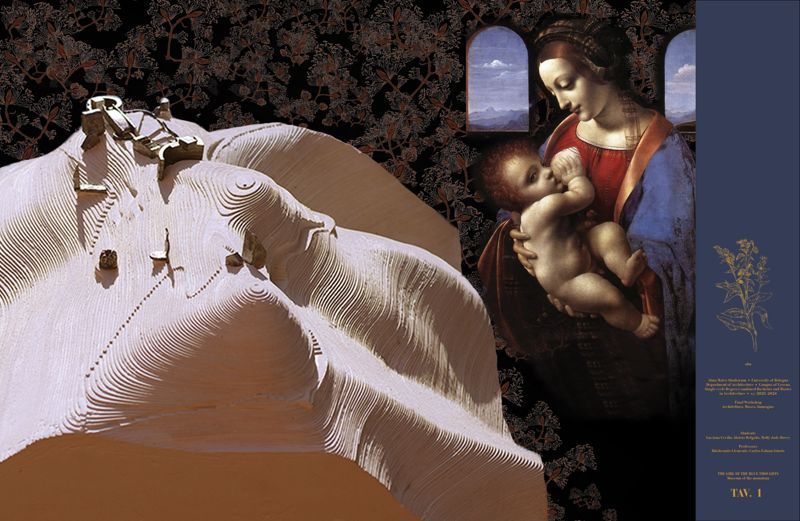
This project takes on the role of a prayer to the earth, interrogating the permanence of the dimension of invisibility and spirituality of nature and thinks of the possibility of preserving, alongside characters of necessity, the spiritual aspects of human life that nature in a way unveils.
EUmies Awards Young Talent
Culture
Morgnano Mining Museum
Young Talent 2025
YT Nominees
Marco Acciaio
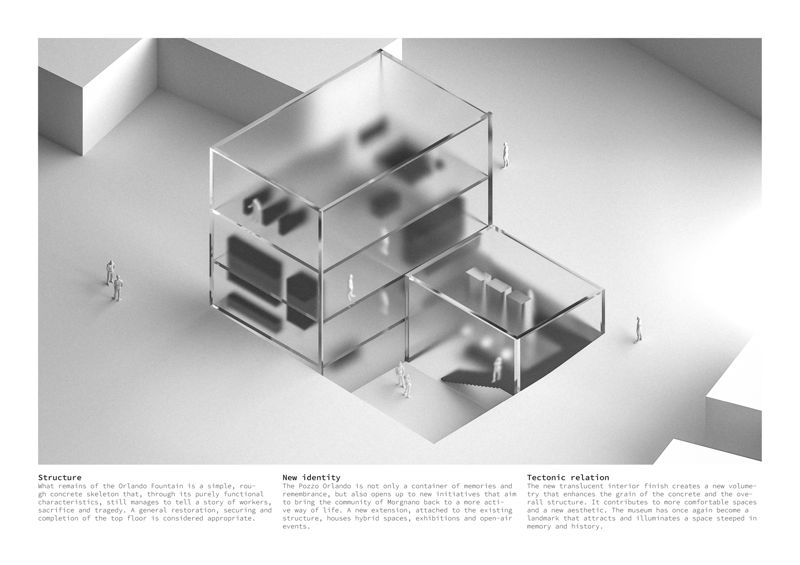
The Morgnano Mining Museum in Spoleto is a symbol of the historical and social monumentality linked to the mining complex. The project includes a new exhibition route that respects the restored structure while incorporating innovative elements to enhance the heritage and the space.
EUmies Awards Young Talent
Culture
Forum: Meeting center
Young Talent 2025
YT Nominees
Iva Pajković
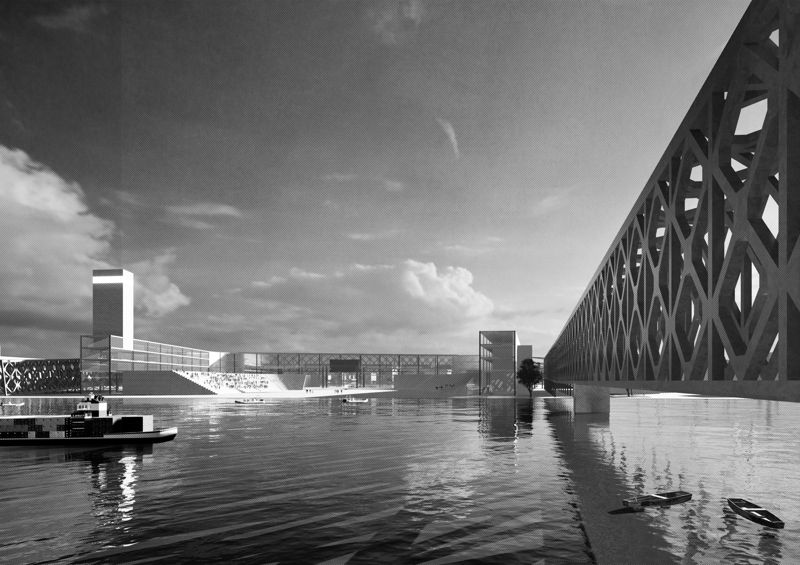
The project creates a cultural theater for Serbia’s linguistic minorities, promoting interaction, diversity, and a sense of belonging. It enhances community visibility, celebrates linguistic and cultural heritage, and highlights identity as dynamic and shaped by exchange and evolution.
EUmies Awards Young Talent
Culture
Cultural Pathway
Young Talent 2025
YT Open Nominees
Paula Tiarsita
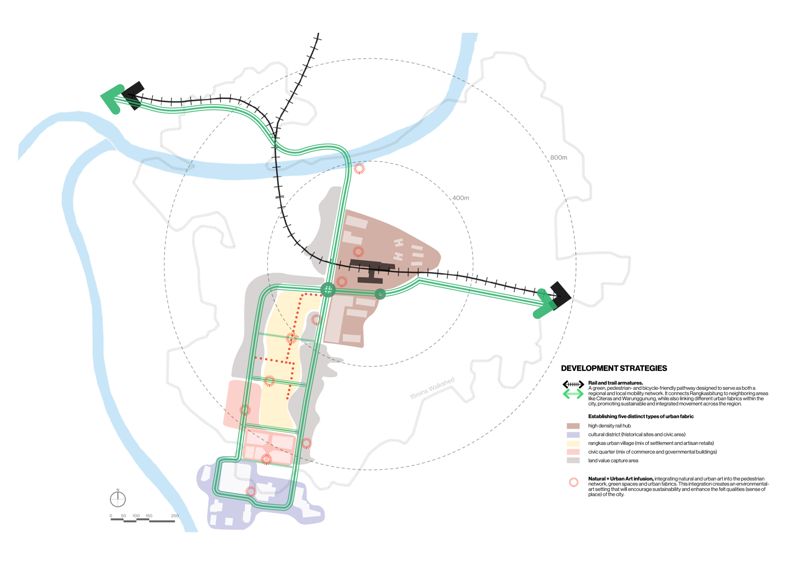
Banten was historically a major trade hub, but its southern part faces slow economic growth due to inactive rail infrastructure. This thesis focuses on Rangkasbitung as the “Banten gateway”, proposing urban design interventions to revitalize connectivity and boost investment for regional prosperity.
EUmies Awards Young Talent
Culture
Queer Space/Protest Architecture
Young Talent 2025
YT Open Shortlisted
Aaron Jin
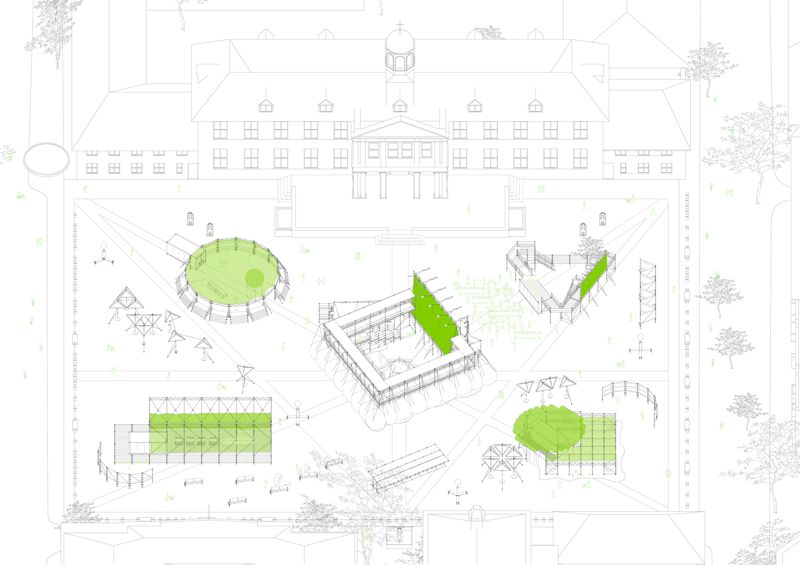
Amid rising hostility toward Indonesia’s queer community, the project examines temporary architecture’s social impact through a queer cultural festival, whose symbolic scaffolding structures destabilise the colonial square, providing infrastructural support for interactions, activism and liberation.
EUmies Awards Young Talent
Mixed use – Cultural & Social
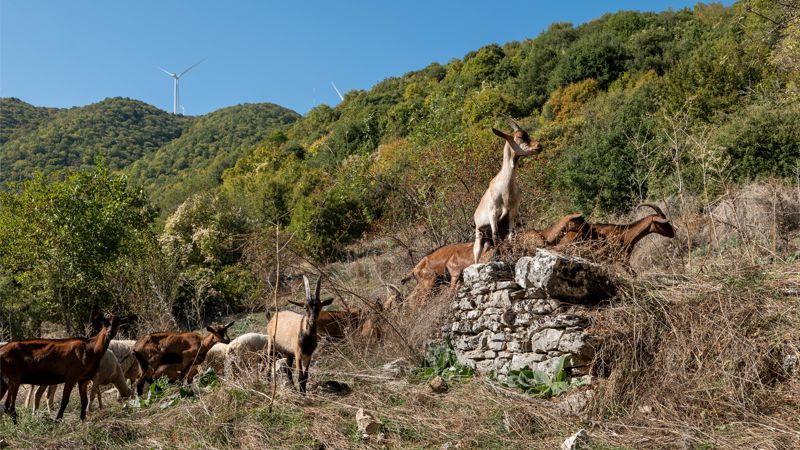
The village was dead; Long live the village!
Young Talent 2025
YT Nominees
Lazaros Flintras · Petros Kyrkos
Palaiο Mavronoros is an abandoned village near the Greek-Albanian borders. The project, guided by Slow Food principles, combines gastronomy, cooperative farming, and strategic renovations to attract residents and visitors, transforming the settlement into a thriving, self-sustaining community.
EUmies Awards Young Talent
Culture
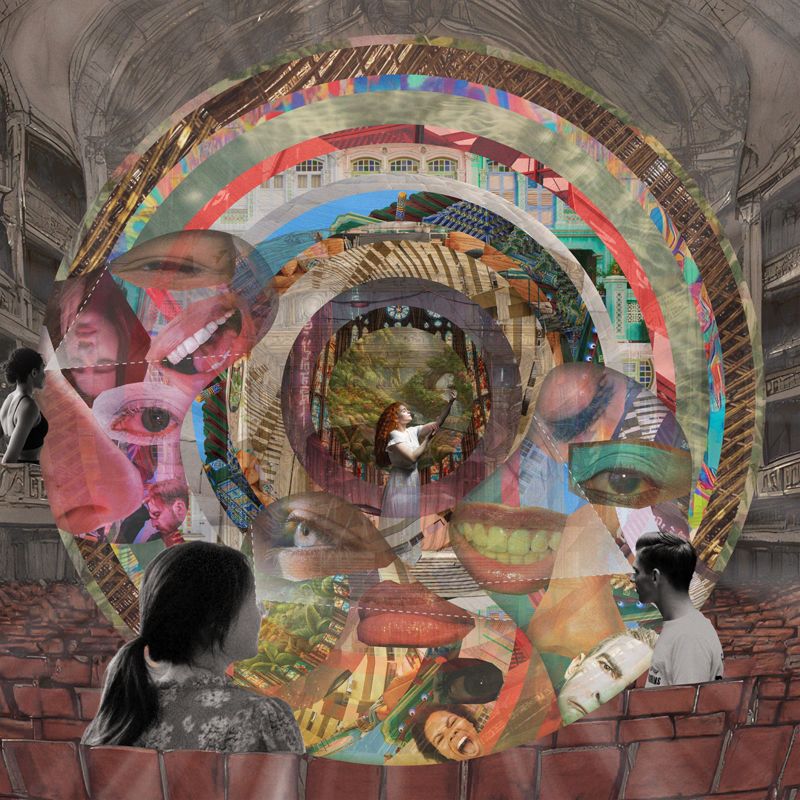
Architectural Dramaturgy: A total and endless theatre with multimodal artificial intelligence
Young Talent 2025
YT Open Nominees
Manlin Saw
The fundamental tenet of theatre resides in storytelling and the construction of imagined realms. As architects, we also tell stories through spaces and speculate future worlds. Multimodal AI in this experiment unveils the architectural language long conceived in the discipline of theatre.
EUmies Awards Young Talent
Distribution
by map
By edittions
- Map view
- Grid view
- Stats view