-

ESPLOSO.jpg
-
Concept.jpg
-
Prospetto Est.jpg
-
Sezione A-A'.jpg
-
Render biblioteca.jpg
-
VISTA5.jpg
-
Masterplan.jpg
-
vista copertina.jpg
-
vista ravvicinata.jpg
-
Spaccato assonometrico.jpg
-
Piano secondo .jpg
Comparison with Zaha. Expansion of the MAXXI museum in Rome
Ubaldo Mangiacapra. Roma, Italy
-
Name of work in English
Comparison with Zaha. Expansion of the MAXXI museum in Rome
-
Name of work in original language
Confronto con Zaha.
Prize year
Young Talent 2025
-
Work Location
Roma, Italy
-
Author/s
Ubaldo Mangiacapra
-
School
Department of Architecture and Industrial Design - University of Campania "Luigi Vanvitelli".
Aversa, Italy
Young Talent 2025 YT Nominees



Comparison with Zaha. Expansion of the MAXXI museum in Rome
Espansione del museo MAXXI di Roma
Program
Mixed use - Cultural & Social
-
Labels
Aggregation · Architecture · Culture Centre
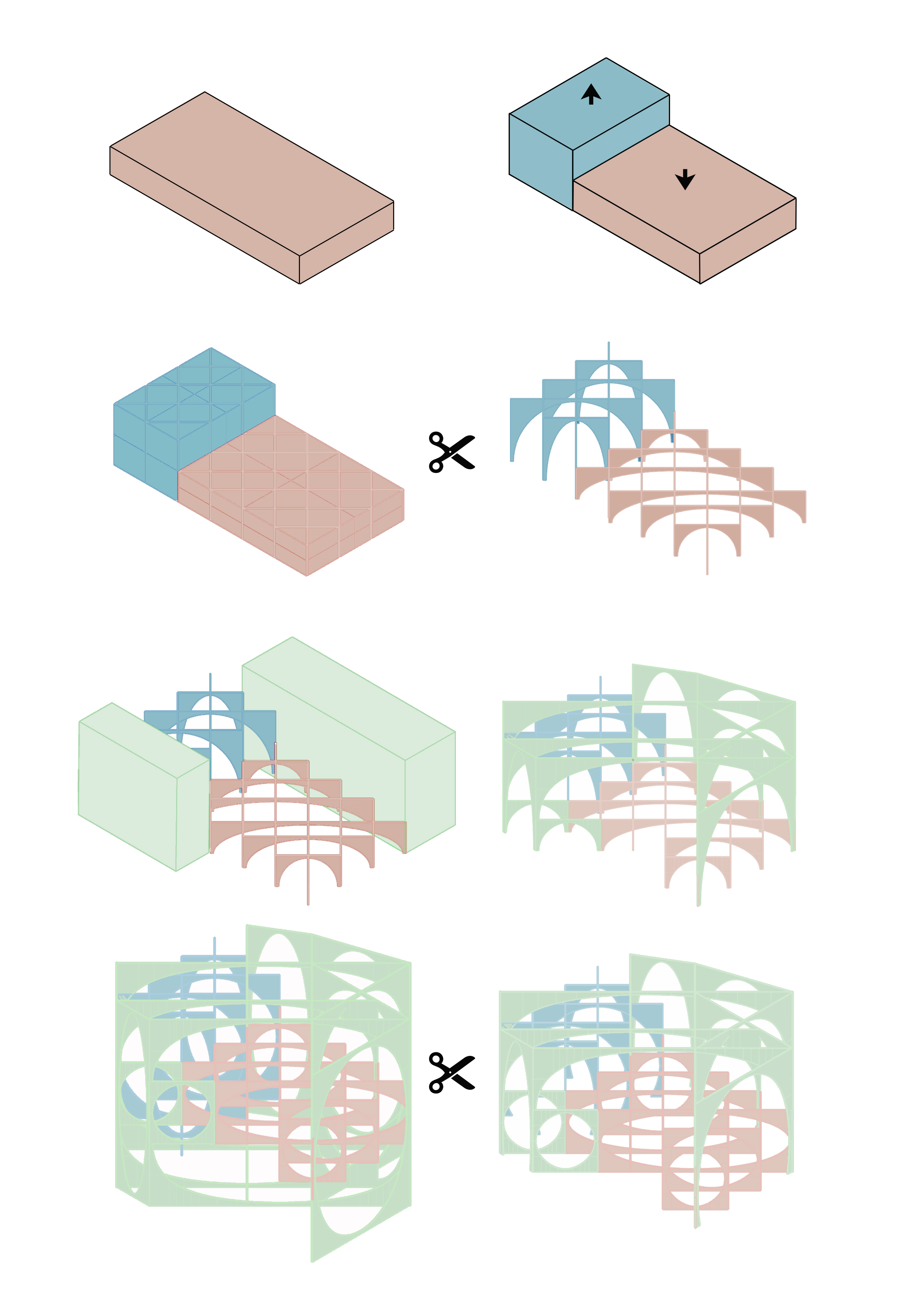
The project expands the MAXXI Museum with a complementary building that integrates Roman elements like excavations and arches while aligning with Zaha Hadid’s design. A 6×6 m modular grid creates a seamless indoor-outdoor connection. Prioritizing sustainability, it uses eco-friendly materials and passive climate strategies. Spanning four levels, including a basement with stepped seating, the design enhances spatial fluidity. Balancing tradition and innovation, it strengthens MAXXI’s cultural role while redefining the museum’s space in a modern, sustainable way.
The project expands the MAXXI Museum, blending contemporary innovation with historical influences. Part of the "Grande MAXXI" initiative, it enhances the museum’s capacity while engaging with the urban fabric, reinforcing MAXXI’s cultural role in Rome’s evolving landscape. Inspired by Zaha Hadid’s fluid architecture and Roman elements, the design incorporates excavations, arches, and an interplay of light and shadow. A 6×6 m grid of arches shapes both the structure and aesthetics, creating rhythmic continuity. The balance of solid and void, light and materiality, enhances spatial perception, ensuring a seamless interaction between interior and exterior. More than an extension, the project functions as a multipurpose cultural hub, supporting research, artistic experimentation, and public engagement. Spanning four levels, including an underground space, it integrates a stepped seating area that acts as both an access point and a gathering space. This grand external staircase reflects Rome’s urban character, where architecture and public life merge fluidly. Sustainability is a key focus, with eco-friendly materials, passive climate strategies, and natural ventilation minimizing environmental impact while enhancing efficiency. Green elements reinforce the building’s ecological responsibility. By merging classical heritage with modernity, the project strengthens MAXXI’s role as a cultural and research hub while contributing to the Flaminio district’s transformation. More than an architectural addition, it envisions a future-focused approach, redefining museum spaces in a dynamic and sustainable way.