-

1 - Heritage Ticket Booth.png
-
19 - Site Aerial View.png
-
12 - Youth Prevention And Recovery Care.png
-
13 - Youth Prevention And Recovery Care.png
-
14 - Youth Prevention And Recovery Care.png
-
15 - Youth Prevention And Recovery Care.png
-
17 - Youth Prevention And Recovery Care.png
-
16 - Youth Prevention And Recovery Care.png
-
18 - Youth Prevention And Recovery Care.png
-
2 - Perimeter Respite Spaces.png
-
3 - Perimeter Respite Spaces.png
-
4 - Perimeter Respite Spaces.png
-
5 - Respite Gardens.png
-
6 - Community Hub.png
-
8 - Operable Viewing Platforms.png
-
9 - Operable Viewing Platforms.png
-
7 - Community Hub.png
-
11 - Operable Viewing Platforms.png
-
10 - Operable Viewing Platforms.png
The Embodiment Oval
Kim Huang. Melbourne, Australia
-
Name of work in English
The Embodiment Oval
-
Name of work in original language
Exploration of Holistic Healing through Adaptive Reuse of Public Space
Prize year
Young Talent 2025
-
Work Location
Melbourne, Australia
-
Author/s
Kim Huang
-
School
School of Architecture and Urban Design - Royal Melbourne Institute of Technology.
Melbourne, Australia
Young Talent 2025 YT Open Nominees





The Embodiment Oval
Exploration of Holistic Healing through Adaptive Reuse of Public Space
Program
Mixed use - Cultural & Social
-
Labels
Aggregation · Children & Youth · Community · Health Centre · Sports Centre · Track & Field · Heritage · Civic Centre
In Australian history, psychiatric wards often marginalised people with neurological differences in protection of the managerial power of facility operators. Its manifested architecture embodied hostility through confinement and isolation, feeding into social stigma & lack of access for mental health support that still occurs today. The project aims for architecture that embodies affection. It seeks interconnected community-driven outcomes to establish new psychospatial relationships which destigmatises neurological differences, assisting those in therapy to re-integrate with the society.
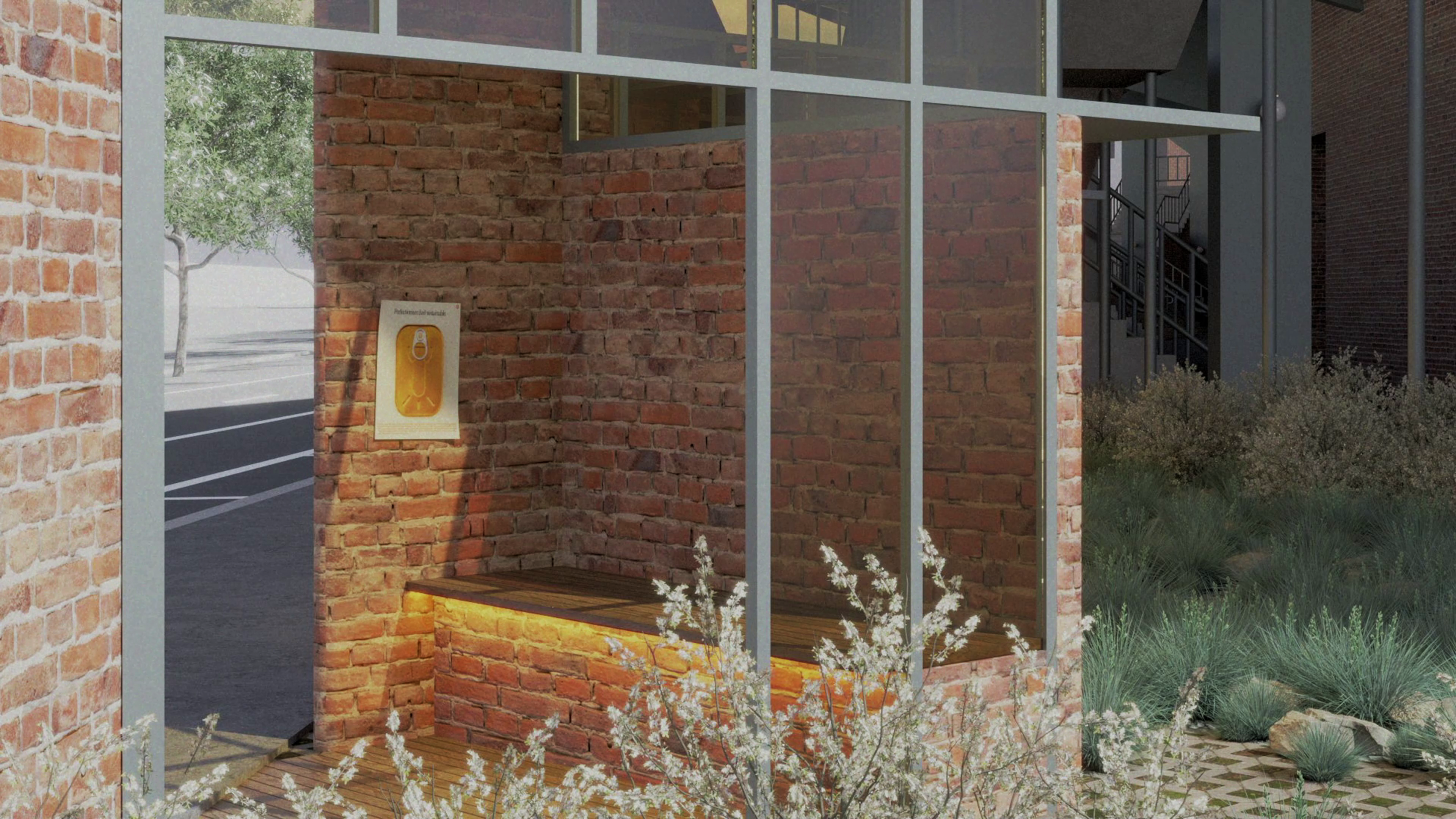
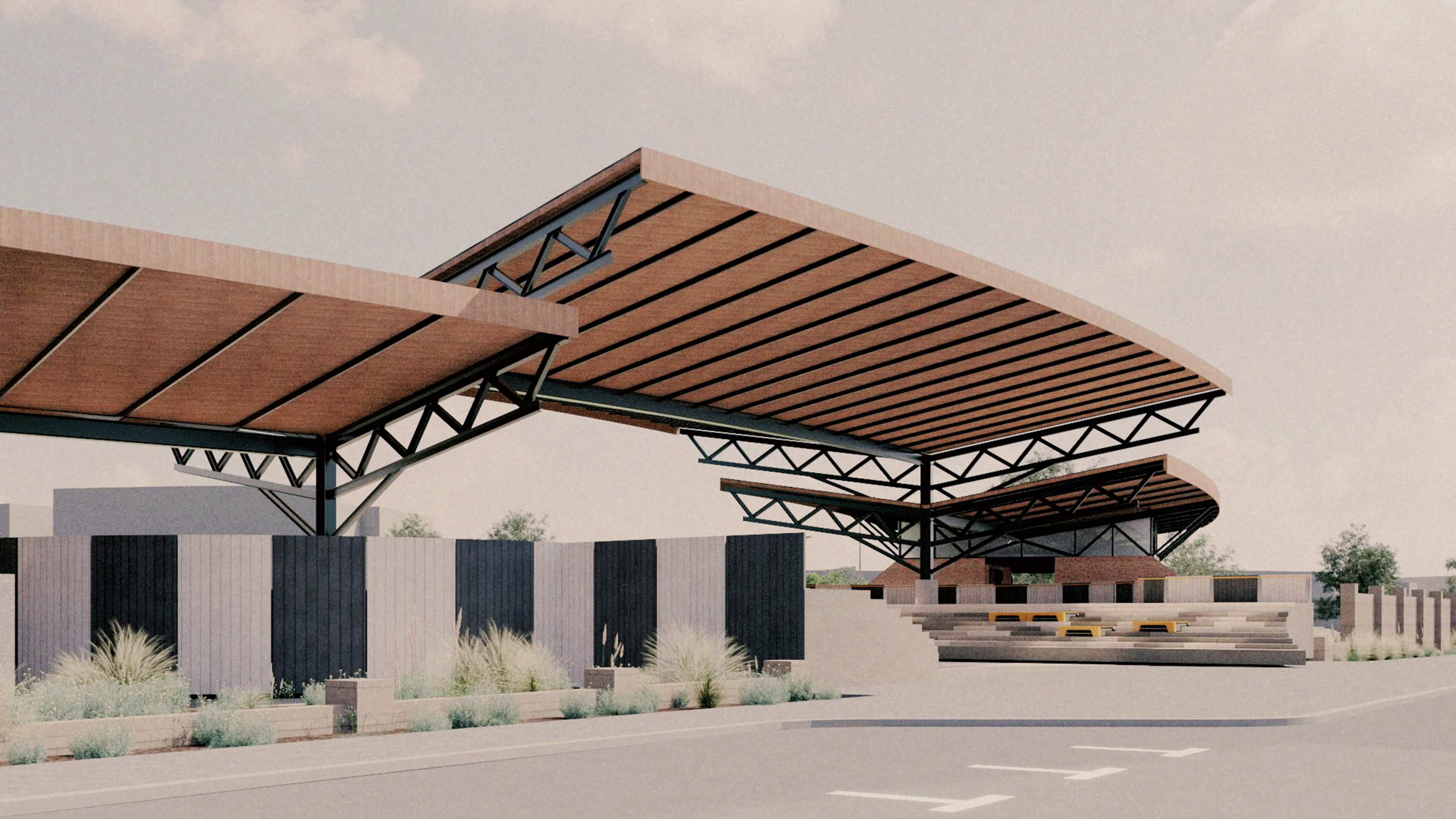
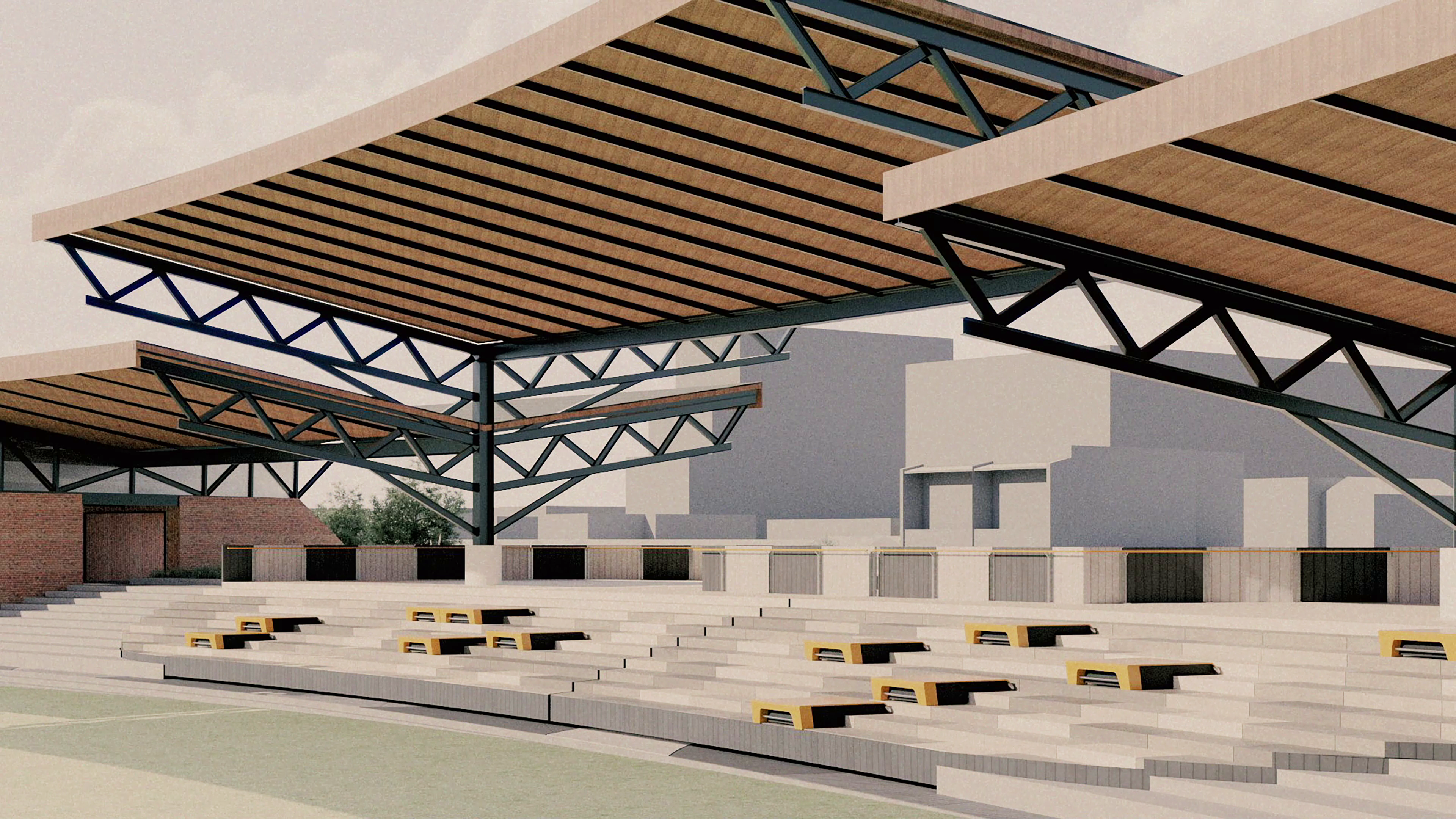
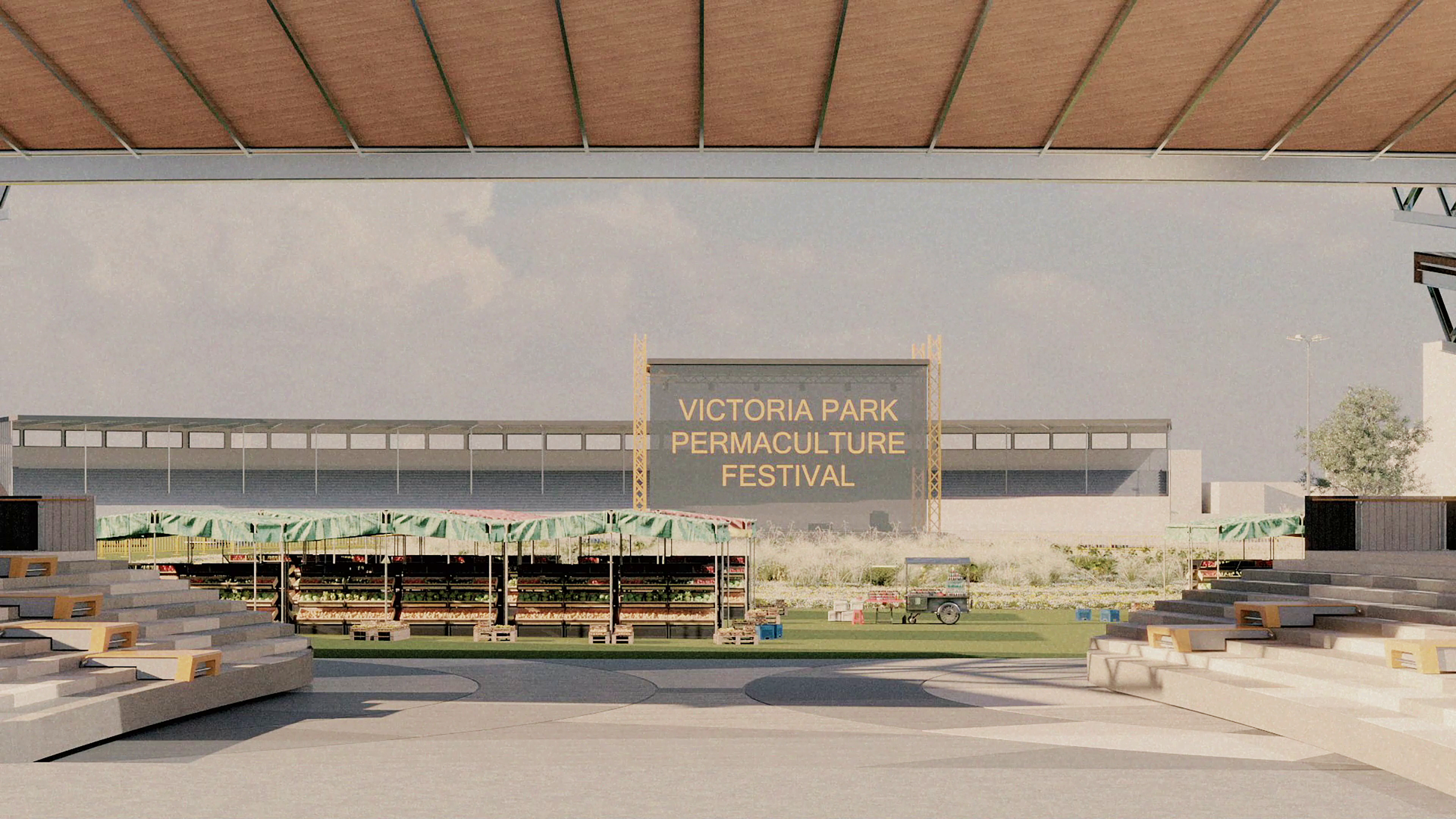
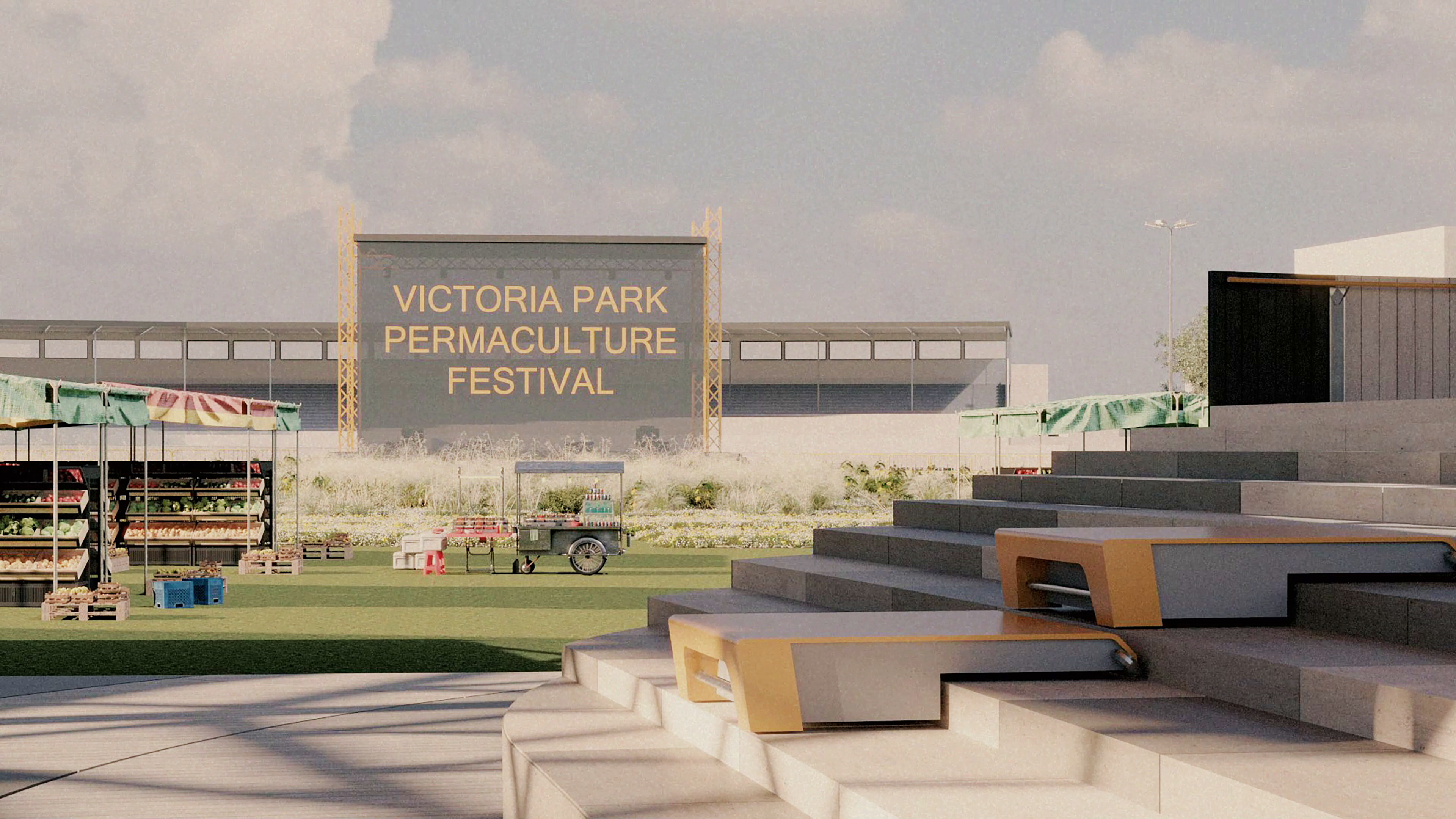
The project re-purposes the former AFL ground Victoria Park (Abbotsford, Victoria, Australia) into a place of individual & collective healing through assimilating itself with inclusive community-based social institutions, providing immediately accessible means to safe sensory respite which remain closely connected & visible to the urban network. It superimposes a new overlay of socially and environmentally embedded care environments over the existing landscapes and structures of the historical stadium, explored through interconnected proposals: street-side respite spaces, permaculture garden, a community gathering place with operable viewing stand, and a Youth Prevention and Recovery Care centre. Streetside respite spaces enhance the oval’s perimeter by inserting niches at 45 degrees within the existing boundary walls, which invites a moment of pause and sensory re-attunement from the street, with views framed to the sky and the sensory garden behind. These threshold spaces also redirect circulation flow into the oval, encouraging a deeper connection with occurring events. The community hub and sports grandstand contains a series of common rooms with two operable platforms in the centre that are rotatable around the structural columns, opening towards the street to increase permeability. The Youth Prevention and Recovery Care evokes a playful & lively character within its public realm to encourage those in need to ask for help. Its architectural programmes are framed by two building volumes hugging a central atrium that caters for the existing mature trees on site. It allows resident patients to regain a sense of agency and meaningfulness through participating in communal events, equipping them with developable skills that reinforces their quality of life.