-

Exterior 1
-
Exterior 2
-
Exterior 3
-
Exterior 4
-
Exterior 5
-
Interior 1
-
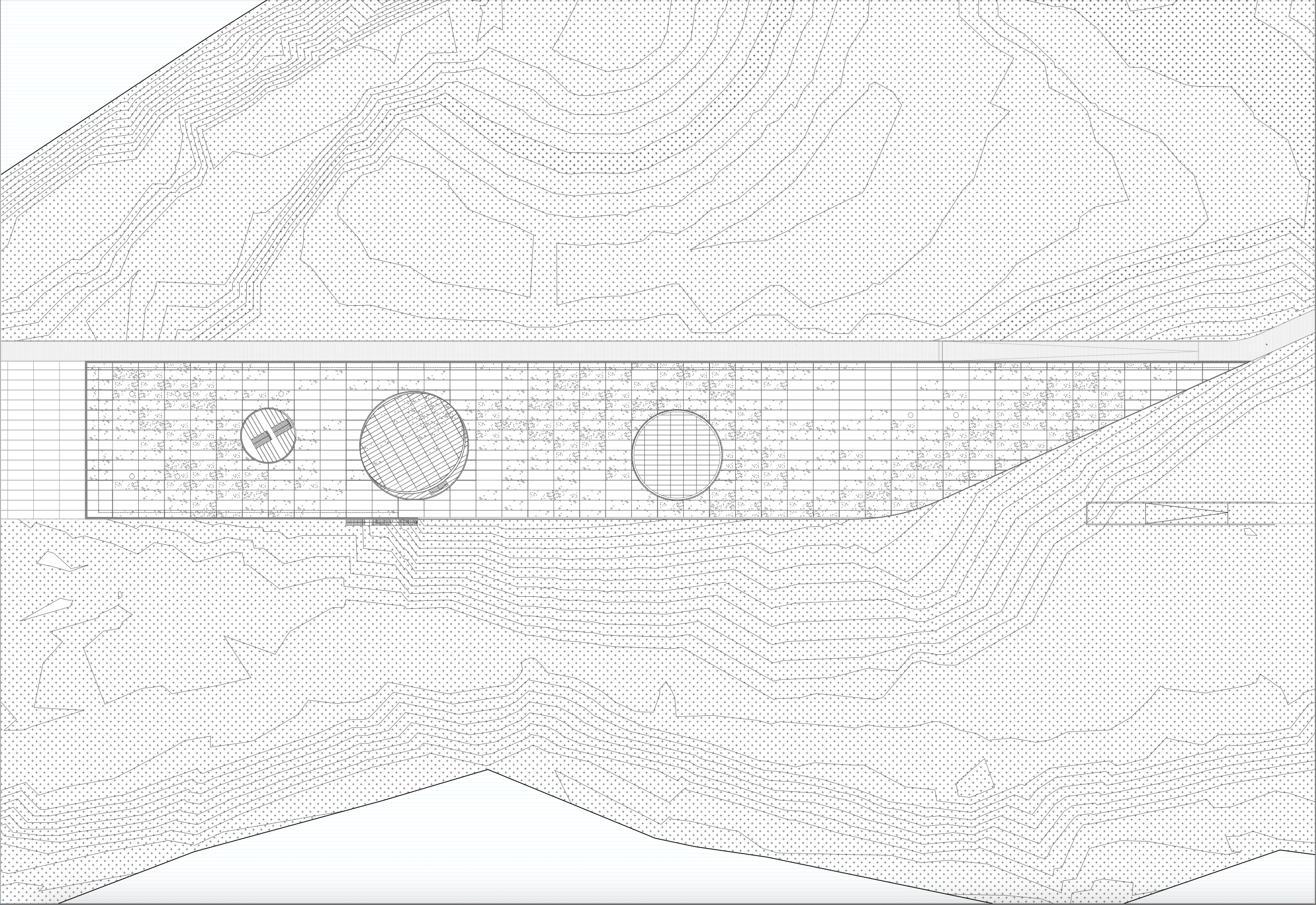
Site plan
-
Elevations
-
Long section and elevations
-
Roof plan
-
Ground floor plan
-
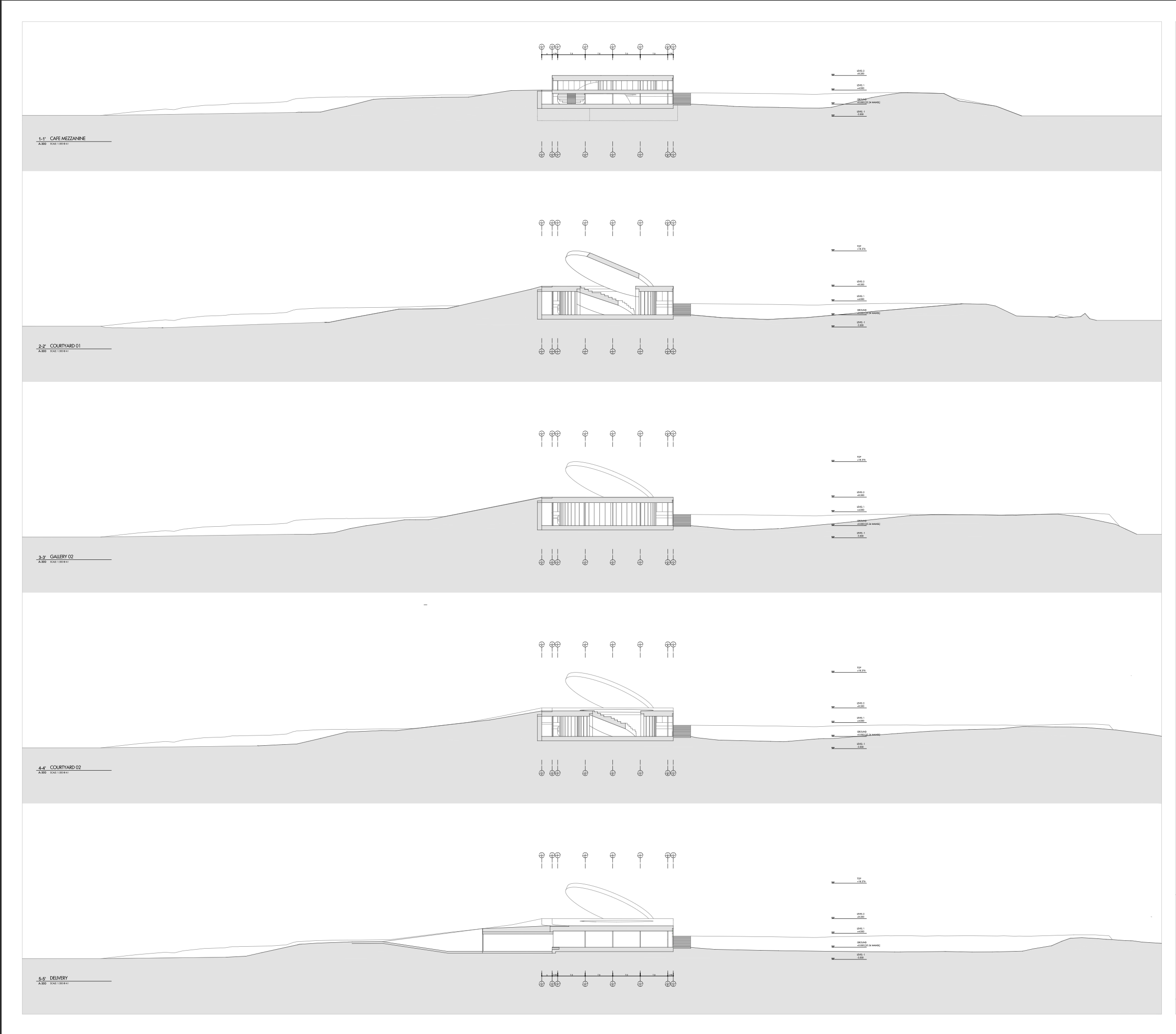
Cross sections
Science Island
SMAR Architecture Studio, Architects bureau G. Natkevicius and partners. Kaunas, Lithuania
-
Name of work in English
Science Island
-
Name of work in original language
Mokslo Sala
Prize year
EUmies Awards 2026
-
Work Location
Kaunas, Lithuania
-
Studio
SMAR Architecture Studio, Architects bureau G. Natkevicius and partners
EUmies Awards 2026 Nominees



Winner of an international competition, Science Island Museum redefines the museum as landscape. Embedded in Kaunas Nemunas Island, its roof becomes a public park. A tribute to science -the tilted disc reflects a “new sun for Kaunas,” showing that science never sleeps in its search for answers.
Collaborators
Collaborator (office): Bradley Millis - SMAR Architecture Studio; Structure: Mindaugas Vaidelys - 1PLANAS; Consulting: Ignacio Fernandez - Arup Madrid; Consulting: Fernando Garcia - Arup Madrid; Consulting: Jordi Alcaine - Arup Madrid; Building physics: Inzinerijos namai; Installations: Darius Liutkevicius - Elektros darbai; Installations: GB technologijos
Program
Culture
-
Labels
Museum
Site area
27000 m²
-
Client
Kaunas Municipality
Total gross floor
10700 m²
Cost
2500 €/m²
Located on Nemunas Island in Kaunas, the Science Island Museum emerges from the landscape as a continuation of the park. Instead of adding a new object, the building follows the island’s topography, with a reflective sloping roof that becomes a public park. Beneath it, 10,700 m² host exhibitions, labs, and learning spaces dedicated to environmental sciences; the building's openings and diagonal spaces connect the city, river, and nature through light, air, and terrain.
The project began with a question: what if the new museum could extend the island rather than occupy it? On Nemunas Island, already dominated by the massive Žalgiris Arena, the design adopts a strategy of minimum impact, embedding the building within the terrain to preserve views and open space. The museum becomes part of the landscape, not an object on it. Its roof is a continuation of the park, accessible to all and punctuated by circular openings that bring daylight and natural ventilation inside. The program was redefined: instead of a traditional science museum, Science Island is dedicated to Environmental Sciences, becoming the first of its kind in Europe. Organised into “Front of the House” and “Back of the House” zones, all spaces receive light and views, dissolving boundaries between nature and architecture. Visitors experience natural phenomena—light, wind, temperature, and seasons—through the building itself, transforming the museum into a living, educational organism.
The museum is semi-underground, using the surrounding earth as natural insulation to stabilize temperature and lower energy demand. This approach minimizes visual impact and carbon footprint, making the landscape an active part of the architecture. Its structure combines reinforced concrete and steel frames, where part of the cement is replaced with local soil, reducing embodied carbon and anchoring the building to its site. Above, a roof covered with native vegetation blends into the park, bringing back Biodiversity, while glass solar panels around the central skylight generate renewable energy and filter daylight deep into the interior. Prefabricated elements and durable materials ensure precision, low maintenance, and long lifespan. The earth-sheltered envelope enhances thermal performance, acoustic comfort, and resilience, transforming the building into a sustainable system where structure, landscape, and energy form a single organism.