-

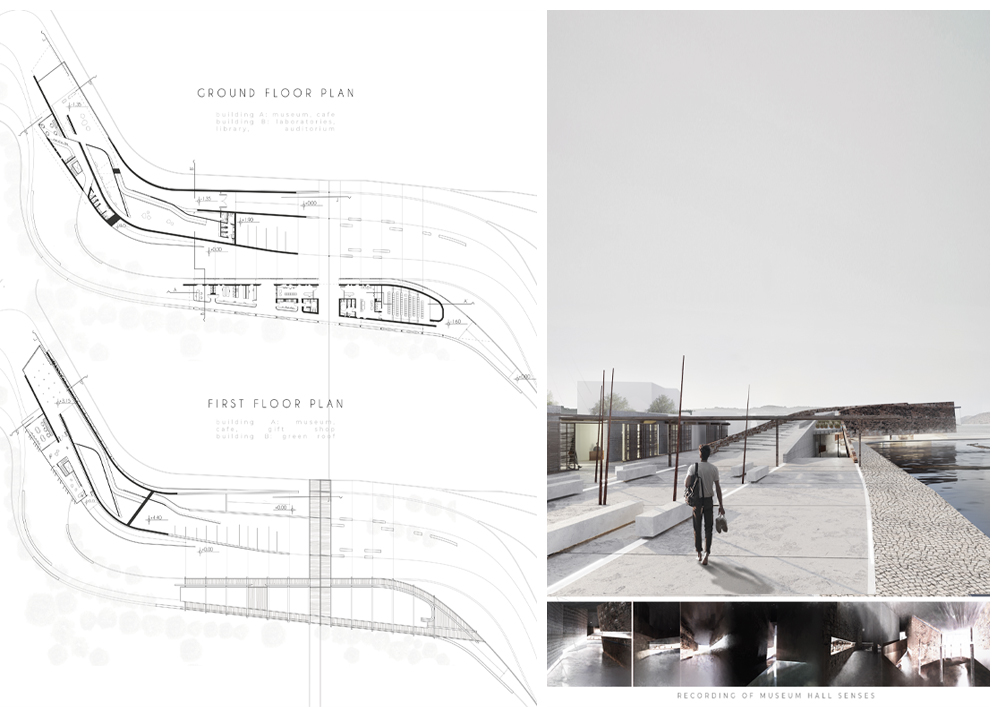
Exterior view of the museum
-
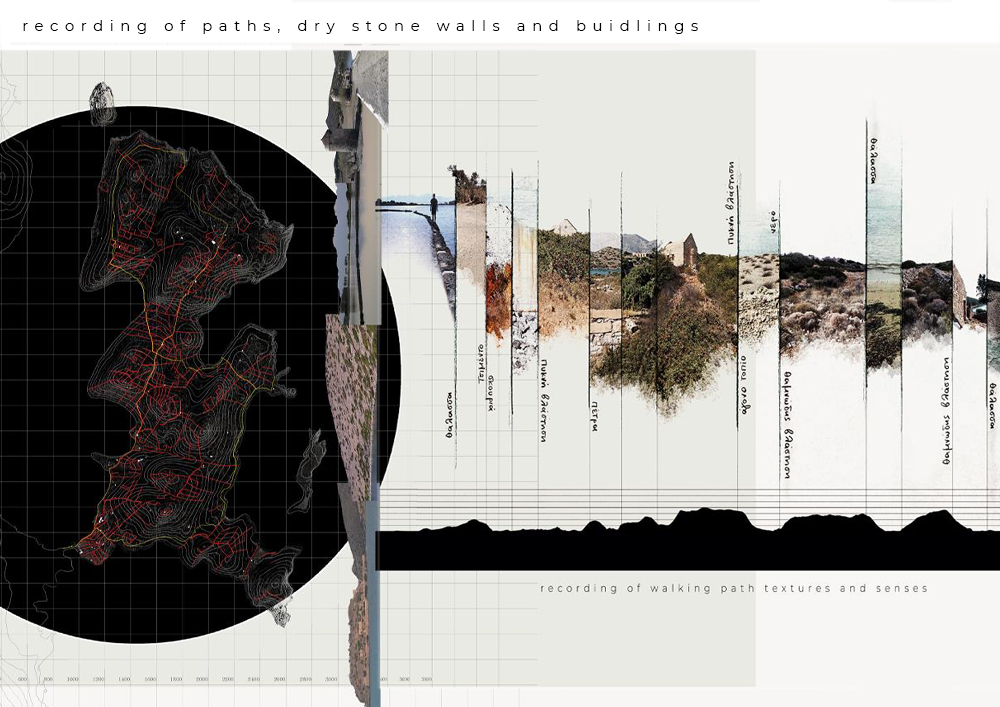
Decoding Spinalonga Peninsula
-
Recording of textures and senses
-
Proposal concept
-
Floor plans
-
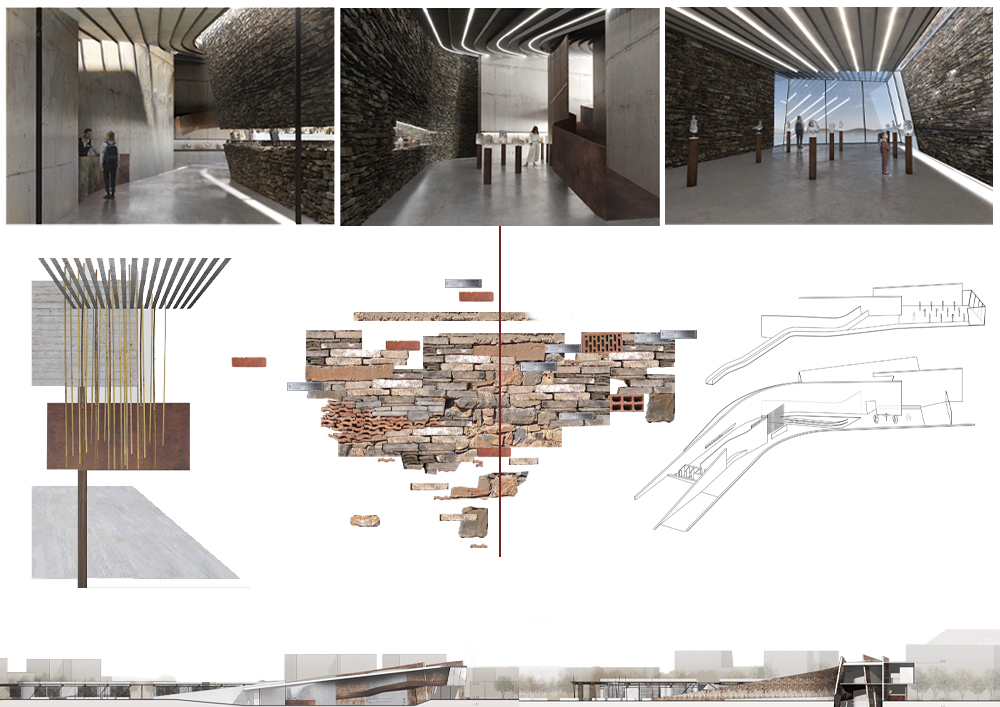
Materiality
-
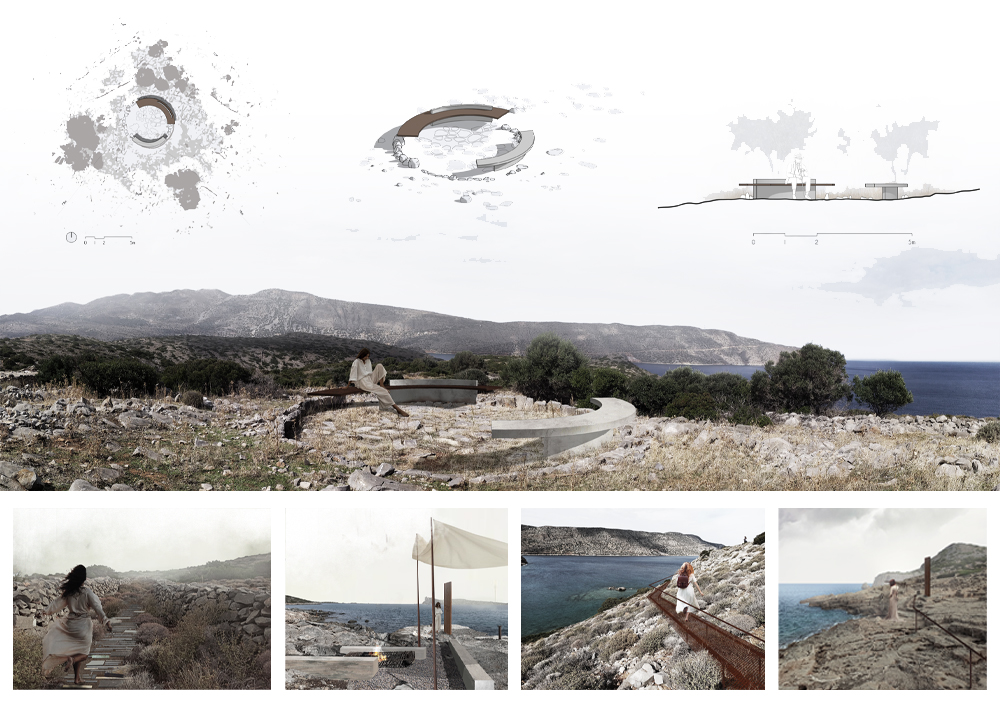
Landscape interventions
-
Panel
-
Reviving Ancient Olous
SOTIRIOS NIKOLIS, GEORGIOS TZAMOUSIS. Creta, Greece
-
Name of work in English
Reviving Ancient Olous
-
Name of work in original language
Landscape Interventions and Local History Museum
Prize year
Young Talent 2023
-
Work Location
Creta, Greece
-
Author/s
SOTIRIOS NIKOLIS, GEORGIOS TZAMOUSIS
-
School
School of Architecture - Technical University of Crete.
Creta, Greece
Young Talent 2023 YT Nominees




Reviving Ancient Olous
Landscape Interventions and Local History Museum
Program
Mixed use - Cultural & Social
-
Labels
Compact · Architecture · Museum · Nature
The project is centered around the revival of a historical area in the island of Crete, the identity of which has been increasingly overshadowed by the immeasurable growth of tourism. The design of a local history museum accompanied by a hiking track to the historical natural landscape are the means that our proposal is suggesting for this regeneration.
Our proposal is concerned with the creation of a local history museum, stemming from the necessity of preserving and highlighting the historical importance of the area. \nThe site of the proposal is strategically chosen· it consists of an empty, unused zone between the built environment and the archaeological area. The main concept of our design proposal focused on the creation of spaces that are integrated into the natural landscape as much as possible and at the same time act as a barrier to the further expansion of tourist accommodation establishments. Fluid, organic lines pass through the area, shaping the proposed buildings as well as the public spaces. The main exhibition building emerges from the ground · its green roof, accessible to the public, is an extension of the public space, acting as an observation space, overlooking the historical landscape of the Spinalonga peninsula. The museum uses are comprised of exhibition spaces and screening rooms, accompanied by research lab spaces, a public cafeteria, a public library and a conference room. The building uses, split between two buildings, are connected through the design and synthesis of the public spaces. Our strongest design tool is the one of materiality. The main materials used in the proposal are exposed concrete, weathering steel and wood, carefully selected to seamlessly integrate into the natural environment of the area. The ancient Chinese technique of Wapan was used for the construction of the museum building walls. Contemporary materials such as concrete and glass bricks are coupled with fragments of historical materials borrowed from ruins in the area, mainly consisting of stone, bricks and roof tiles. At the same time, the design of a hiking track on Spinalonga peninsula, passing through all the important monuments of the area, extends the experience of the visitor into the Cretan landscape.