-

01 COVER_page-0001.jpg
-
02 CONCEPT_page-0001.jpg
-
03 EXISTING CONDITION - PLAN AND FACADES OF THE CULTURAL CENTER IN RUNIK_page-0001.jpg
-
04 SITUATION_page-0001.jpg
-
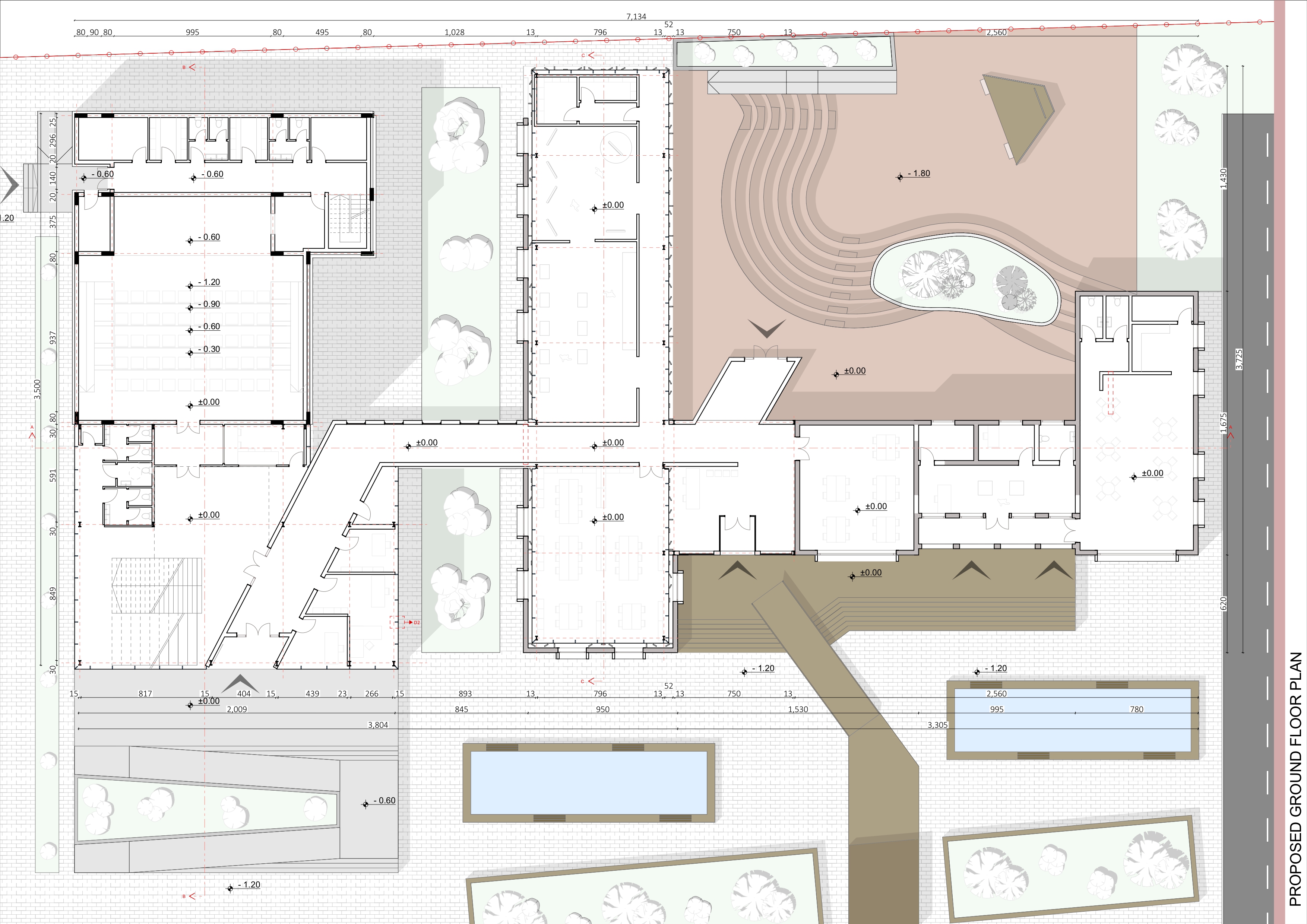
05 PROPOSED GROUND FLOOR PLAN_page-0001.jpg
-
06 PROPOSED FIRST FLOOR PLAN AND DETAIL (D3_page-0001.jpg
-
07 SELECTION A-A, B-B AND C-C WITH DETAILS_page-0001.jpg
-
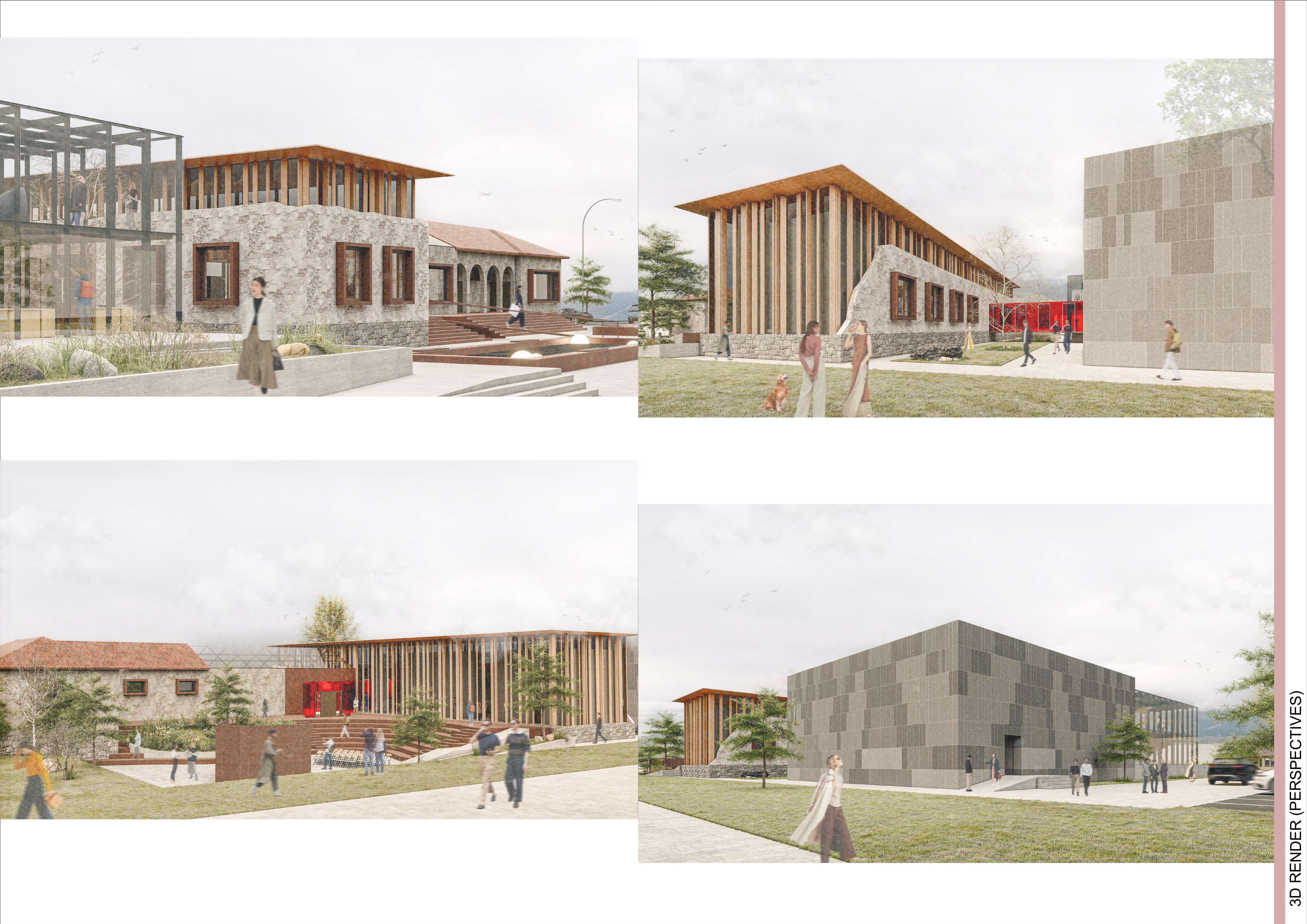
08 3D RENDER (PERSPECTIVES)_page-0001.jpg
-
09 3D RENDER (PERSPECTIVES)_page-0001.jpg
Revitalization of the Cultural Center in Runik
Valdrin Loshaj. Skenderaj, Kosovo
-
Name of work in English
Revitalization of the Cultural Center in Runik
-
Name of work in original language
Revitalization of the Cultural House in Runik: Preserving Heritage, Shaping the Future
Prize year
Young Talent 2025
-
Work Location
Skenderaj, Kosovo
-
Author/s
Valdrin Loshaj
-
School
Faculty of Architecture and Spatial Planning - University for Business and Technology.
Prishtina, Kosovo
Young Talent 2025 YT Nominees




Revitalization of the Cultural Center in Runik
A Sustainable Approach to Revitalizing Cultural Identity and Promoting Community Engagement
Program
Education
-
Labels
Architecture · University · School · Art · Library · Music · Research
The revitalization of the Cultural House in Runik aims to preserve cultural heritage while transforming the building into a modern multifunctional center. The project addresses infrastructure issues and introduces new functions like a museum, library, concert hall, and collaborative spaces. Using traditional materials like wood and modern elements like glass and oxidized steel, the design connects tradition with modernity. The project enhances community engagement, education, and local identity, offering a sustainable model for cultural and social development in the region.
The revitalization of the Cultural House in Runik aims to preserve the village’s cultural heritage while transforming the building into a multifunctional center for education and culture. The project seeks to create a space that serves as a key point in the community’s cultural life, while preserving its historical identity. The existing structure is damaged and no longer meets the community’s needs, highlighting the necessity for intervention. The design blends tradition with modernity, incorporating a permanent museum, temporary exhibition spaces, a library, a concert hall, and areas for collaboration. These functions aim to address community needs and provide opportunities for youth engagement in cultural activities. Sustainable construction techniques and materials, including wood, glass, and oxidized steel, are used to ensure the building’s longevity and maintain a connection to the past. The wood symbolizes authenticity, while glass allows natural light to illuminate the spaces. The oxidized steel represents resilience and the passage of time. The project will create a space for cultural and educational growth, with a museum to showcase local history, exhibition spaces for artists, a library for learning, and a concert hall for artistic events. Collaboration spaces will foster professional development and community cooperation. This intervention will improve access to culture and education, increase local participation, and strengthen the identity of Runik, offering a sustainable model for social and economic development.