-

IMG 1.jpg
-
General.jpg
-
IMG_5425.jpg
-
Proces.jpg
-
IMG 2.jpg
-
IMG_9792 2.jpg
-
Masterplan.jpg
-
IMG_9923v 3.jpg
-
IMG_6711.jpg
-
IMG_9802.jpg
-
Section.jpg
-
IMG_0138.jpg
-
IMG_0169.jpg
-
IMG_6683.jpg
-
Analysis typologies.jpg
-
IMG_6708.jpg
-
IMG_9946.jpg
-
IMG_6727.jpg
-
IMG_9835 3.jpg
Primary Structure - Built Identity
Louwies Pitteljon. Sint-Lievens-Houtem, Belgium
-
Name of work in English
Primary Structure - Built Identity
-
Name of work in original language
Subtopia
Prize year
Young Talent 2025
-
Work Location
Sint-Lievens-Houtem, Belgium
-
Author/s
Louwies Pitteljon
-
School
Faculty of Architecture - KU Leuven.
Brussels, Belgium
Young Talent 2025 YT Nominees








Primary Structure - Built Identity
Subtopia
Program
Collective housing
-
Labels
Complex · Social · Elderly · Youth
It is not a secret that Belgium is struggling with phenomenons called ‘urban sprawl’ and ‘ribbon development’. As a result of the economic boom of the sixties and a loose planning system, the Flemish landscape has become highly shattered. How do we appropriate densifying these rural areas? Such areas cannot possibly be approached from an urban perspective. This landscape is filled with what we can call 'village typologies', what can we learn from these typologies how can they be used appropriately for the densification of the Flemish rural landscape?
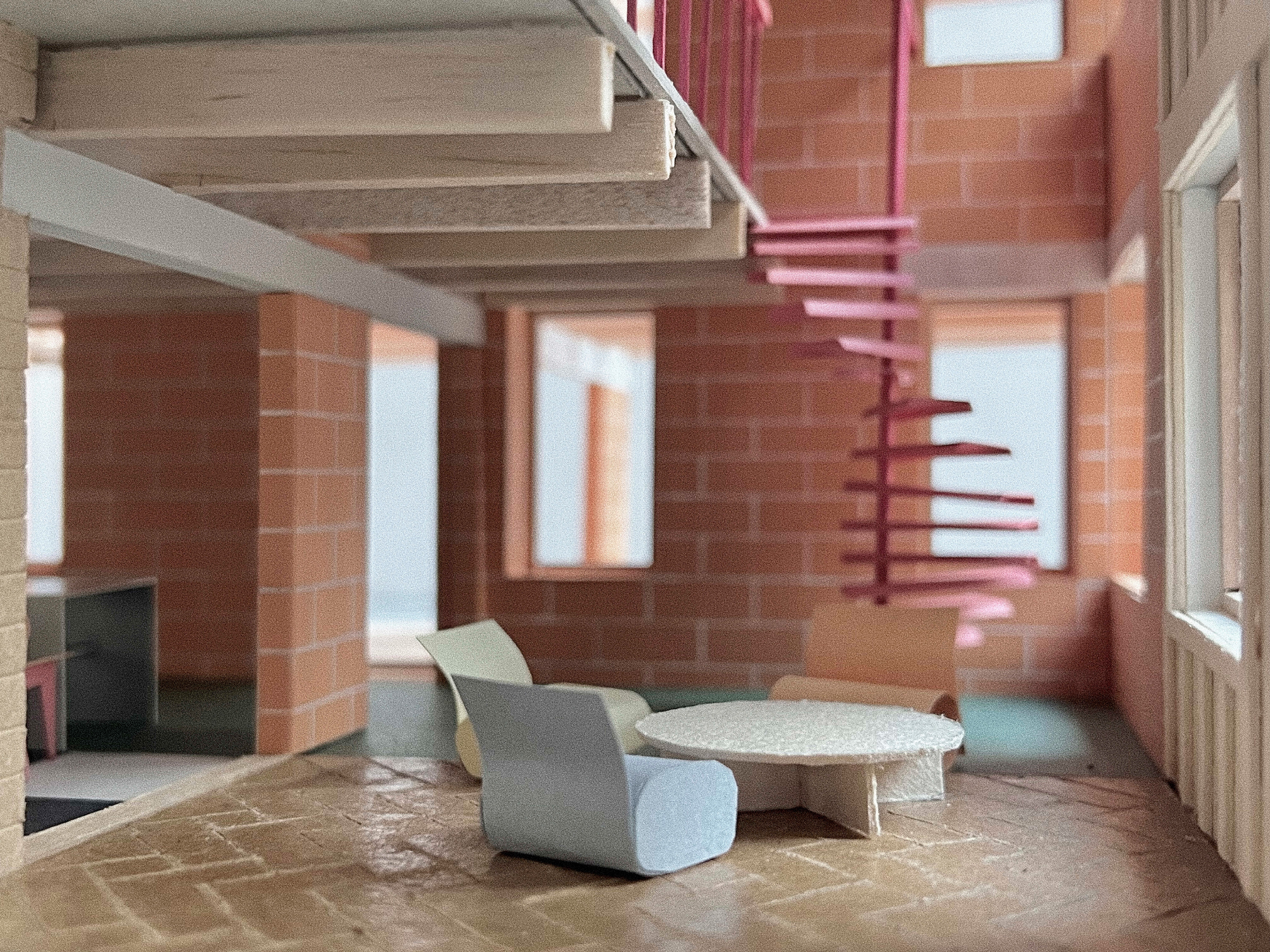
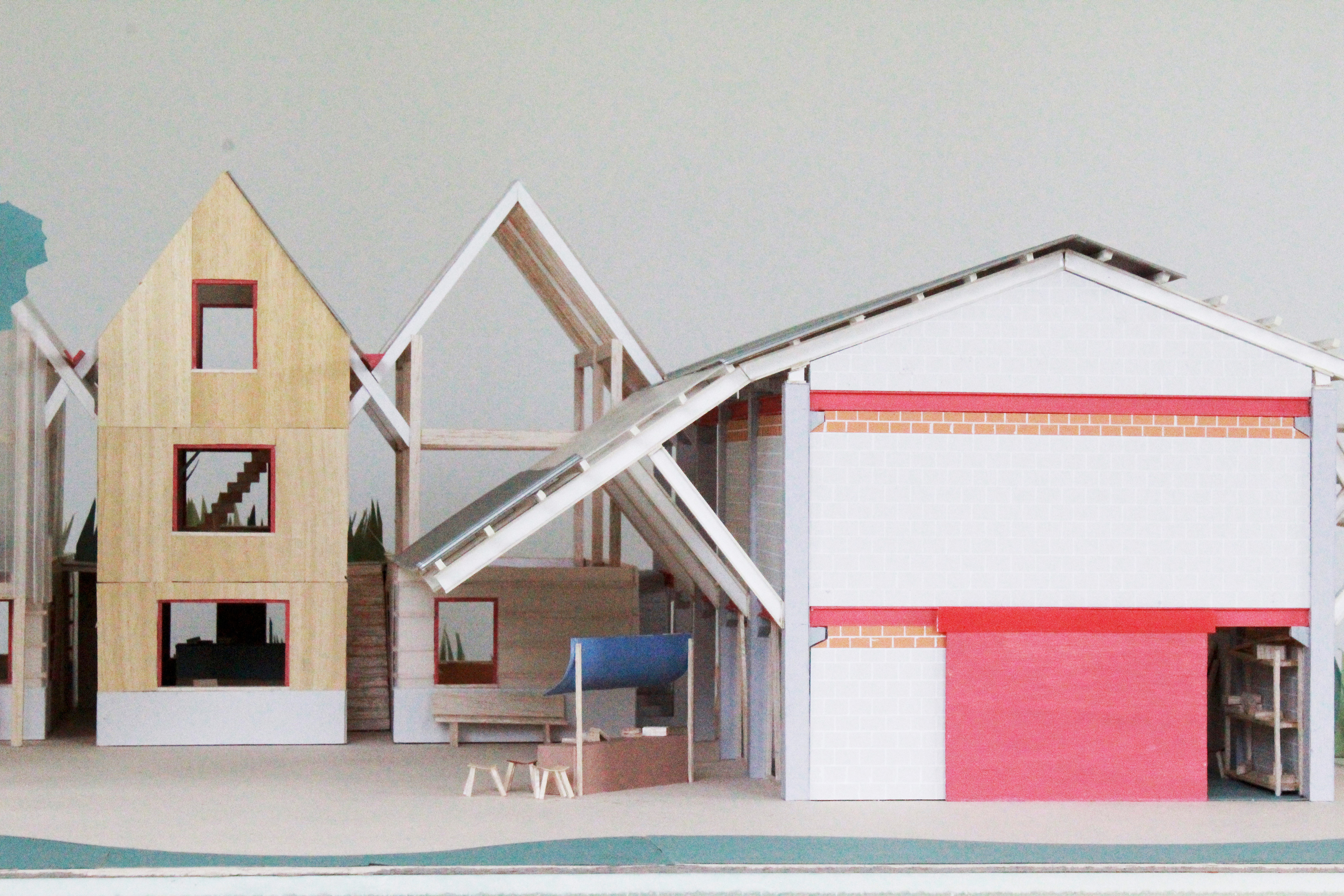
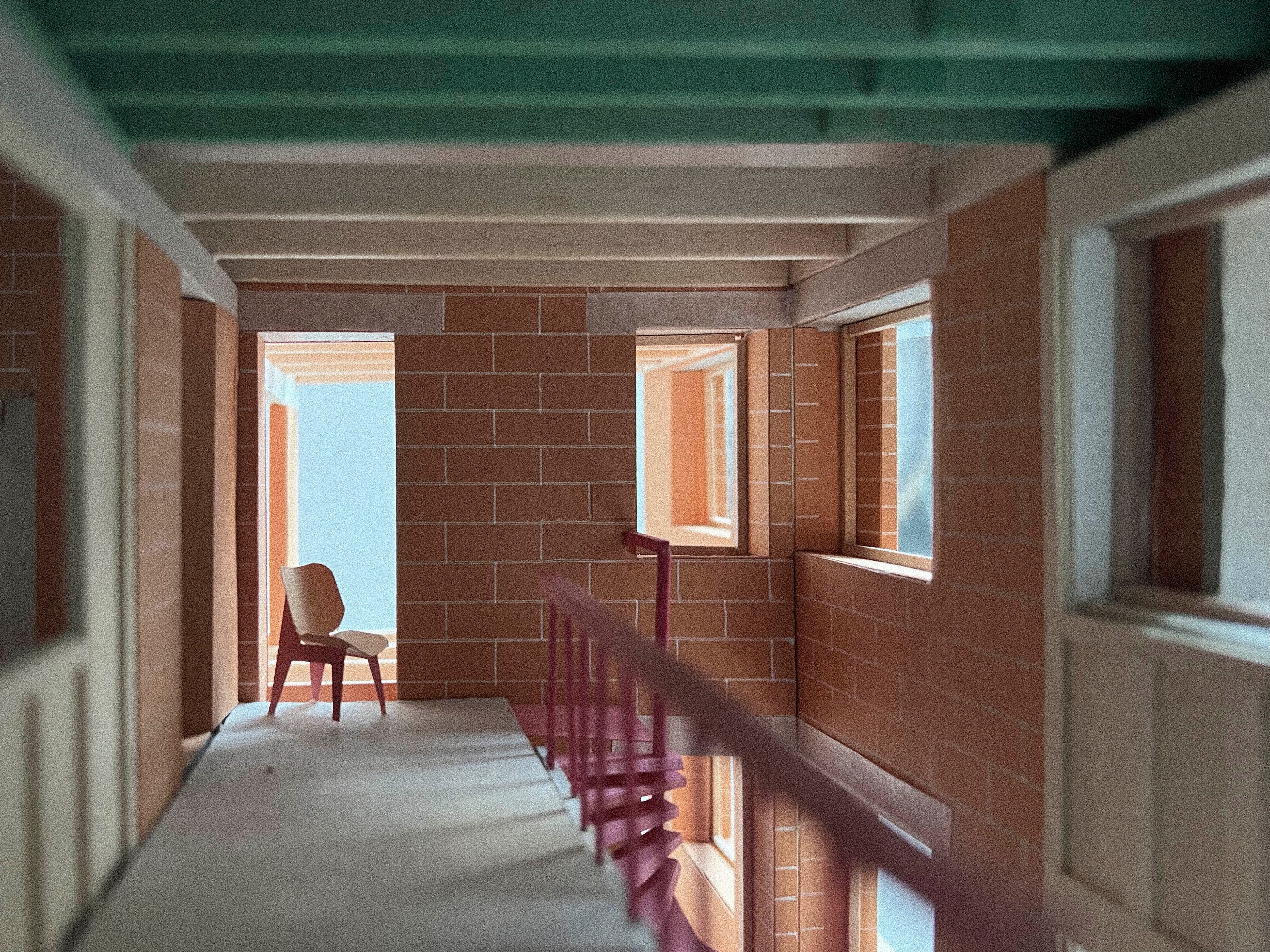
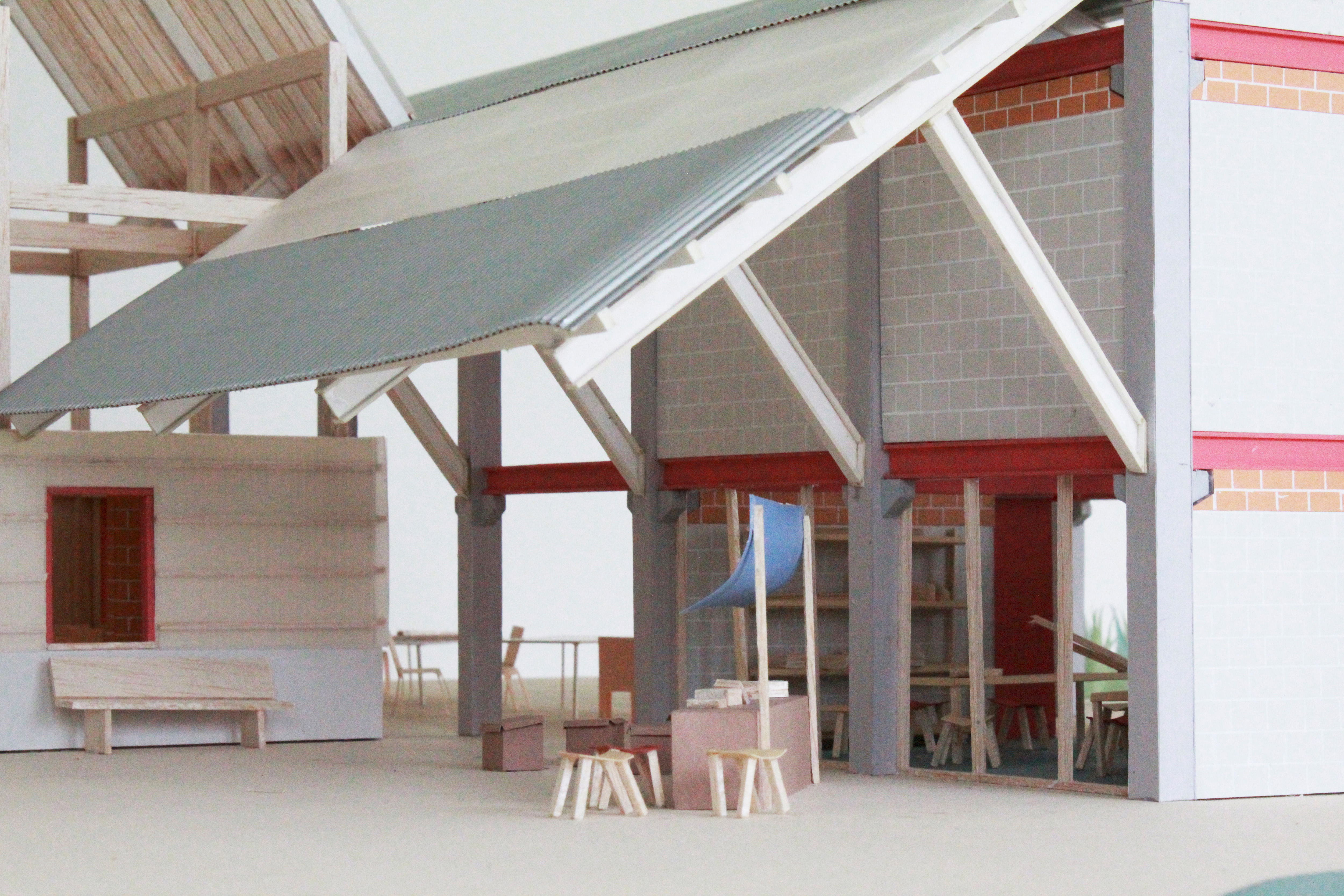
Starting from a structural analysis of existing ‘village’ typologies, the design blends into the built identity of the Flemish village, without falling into nostalgia or ‘aesthetic referencing’. By recognising the structural (and therefore: programmatic) intelligence of the typology, these can be used in innovative ways and in unexpected situations. The church and the lack of a real village centre formed the foundation for the intervention. By extending the roof motif (in the form of collective workers’ houses), the church of Bavegem is extended from the main street into the inner area and thanks to a central oak tree renamed ‘church square’. This links different parts of the village and creates new routes through the centre based on the existing routes. The transversely placed shed forms a lively demarcation to the square as a woodworking shop, provides shelter for the Sunday market and brings the manufacturing industry back to the village centre. What was once an ordinary farm shed, used for storing all kinds of goods, becomes an equally ordinary village centre. The field with water tower (an example of ‘farmers-logic’ that collects rainwater from the underlying pointed roofs) replaces the existing vegetable gardens and links the agricultural identity of the village. Finally, on the west side, an extended terraced house also connects to the inner area as a collective home, further enriching the inner area with meaning, activity and interaction. A mix of new housing, public space, collective living, agriculture and community facilities inscribes it selves into the existing identity of the Flemish village.