-

Aerial General View
-
Interior View
-
Exterior View
-
Interior View
-
Interior View
-
Interior View
-
Naples Meto Station - Panel 01
-
Naples Meto Station - Panel 02
-
Naples Meto Station - Panel 03
-
Naples Meto Station - Panel 04
-
Naples Meto Station - Panel 05
-
Naples Meto Station - Panel 06
Naples Underground Central Station – Centro Direzionale
Miralles Tagliabue - EMBT. Naples, Italy
-
Name of work in English
Naples Underground Central Station – Centro Direzionale
-
Name of work in original language
Stazione Metropolitana di Napoli – Centro Direzionale
Prize year
EUmies Awards 2026
-
Work Location
Naples, Italy
-
Studio
Miralles Tagliabue - EMBT
EUmies Awards 2026 Nominees


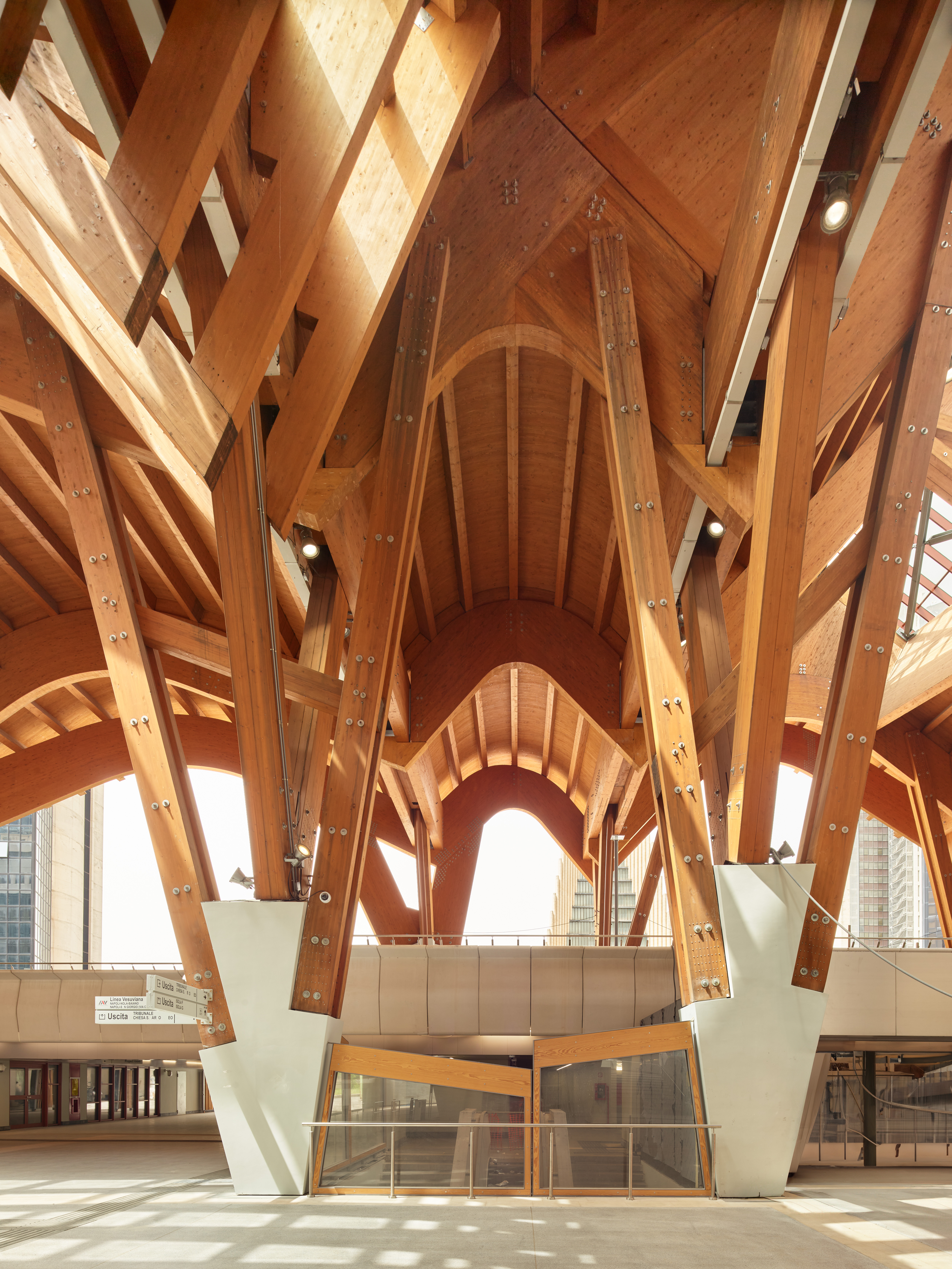


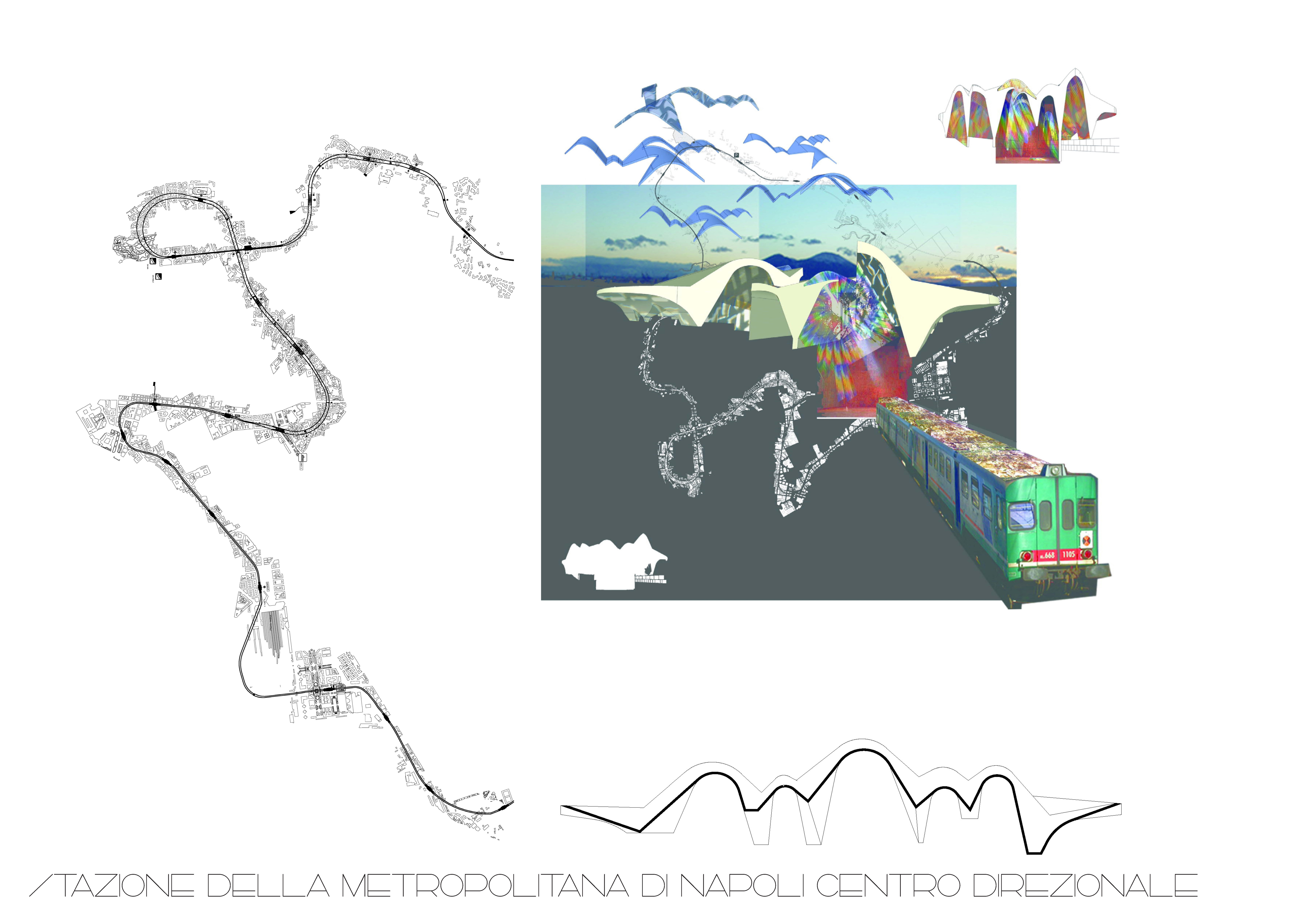
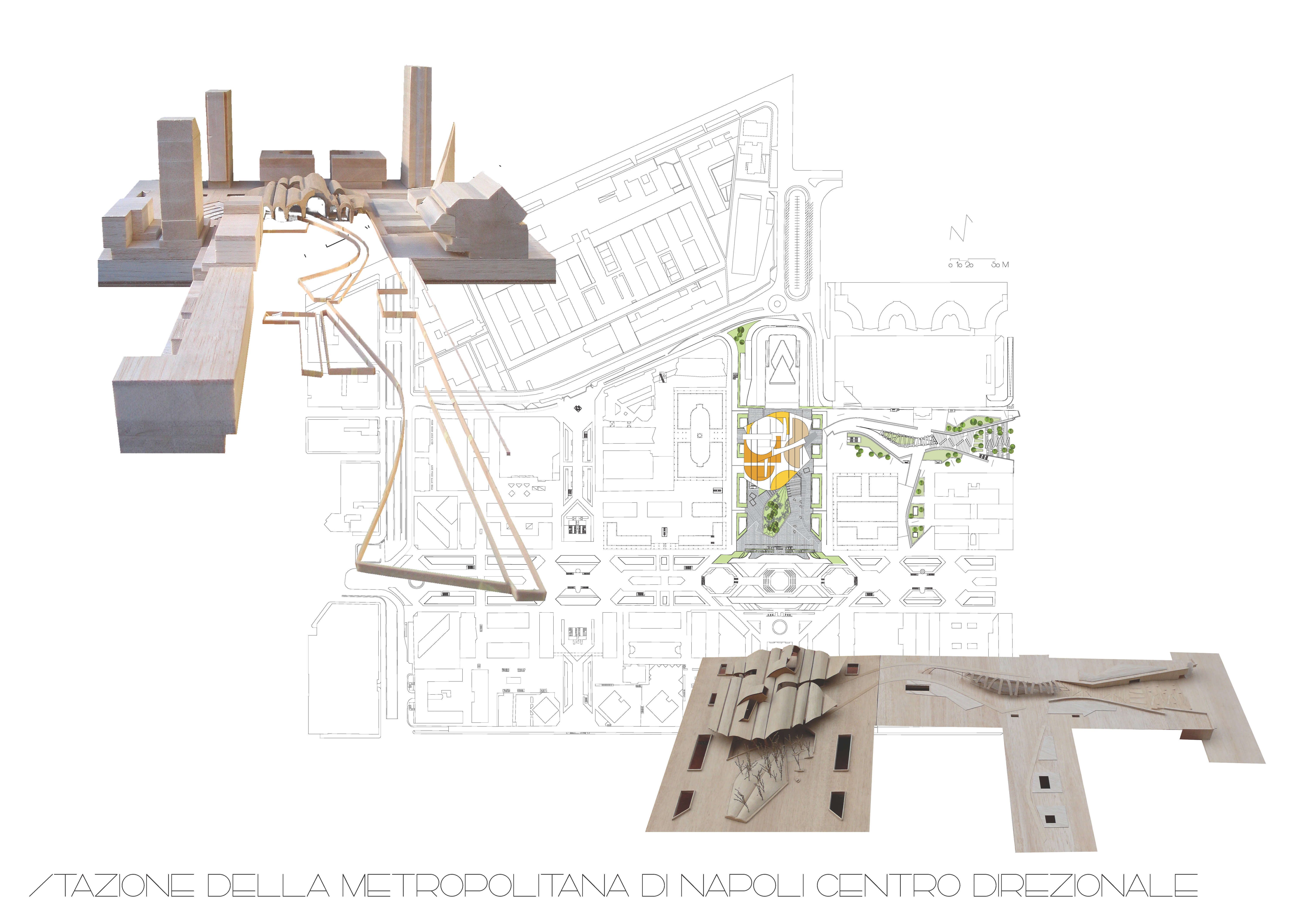

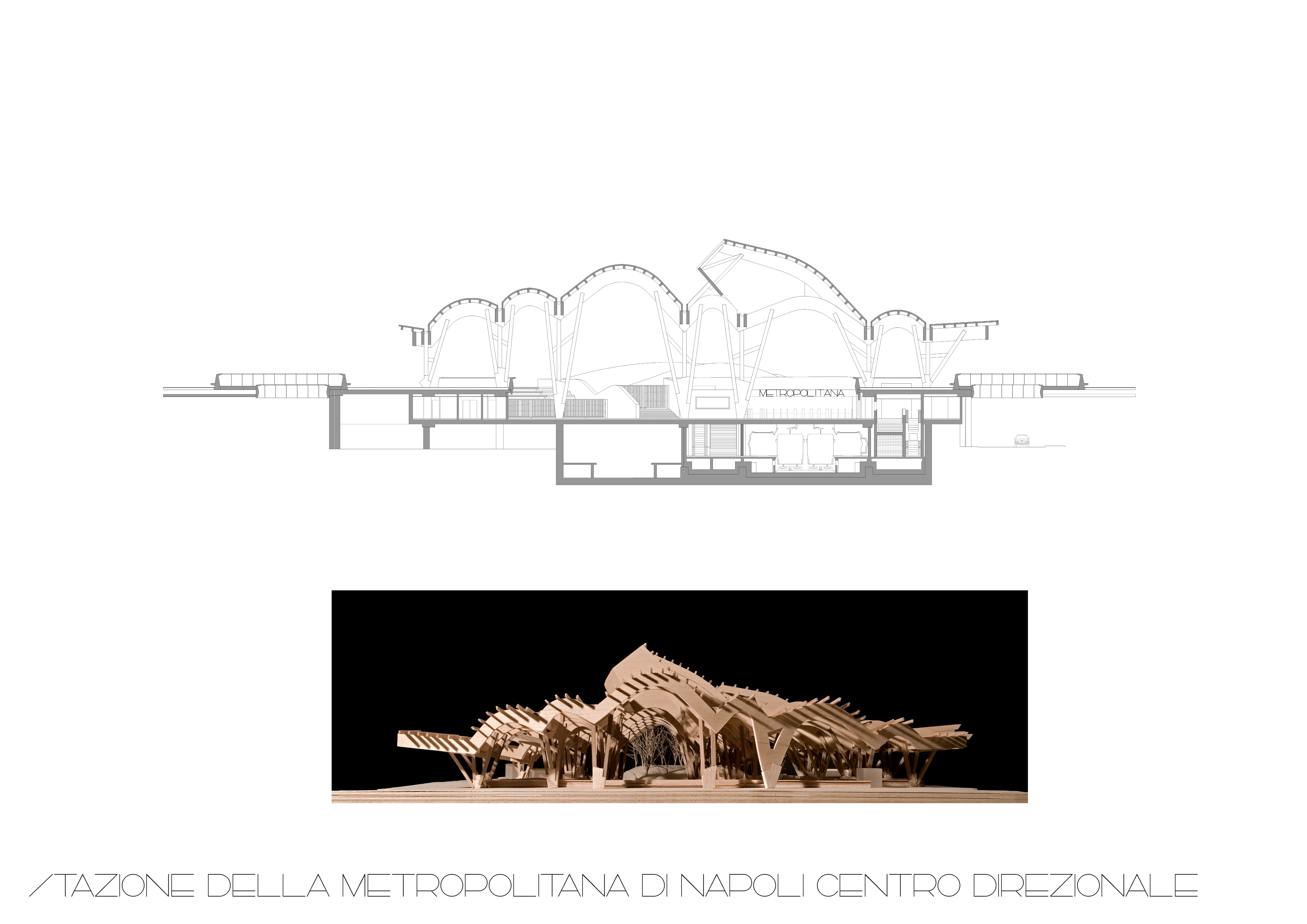
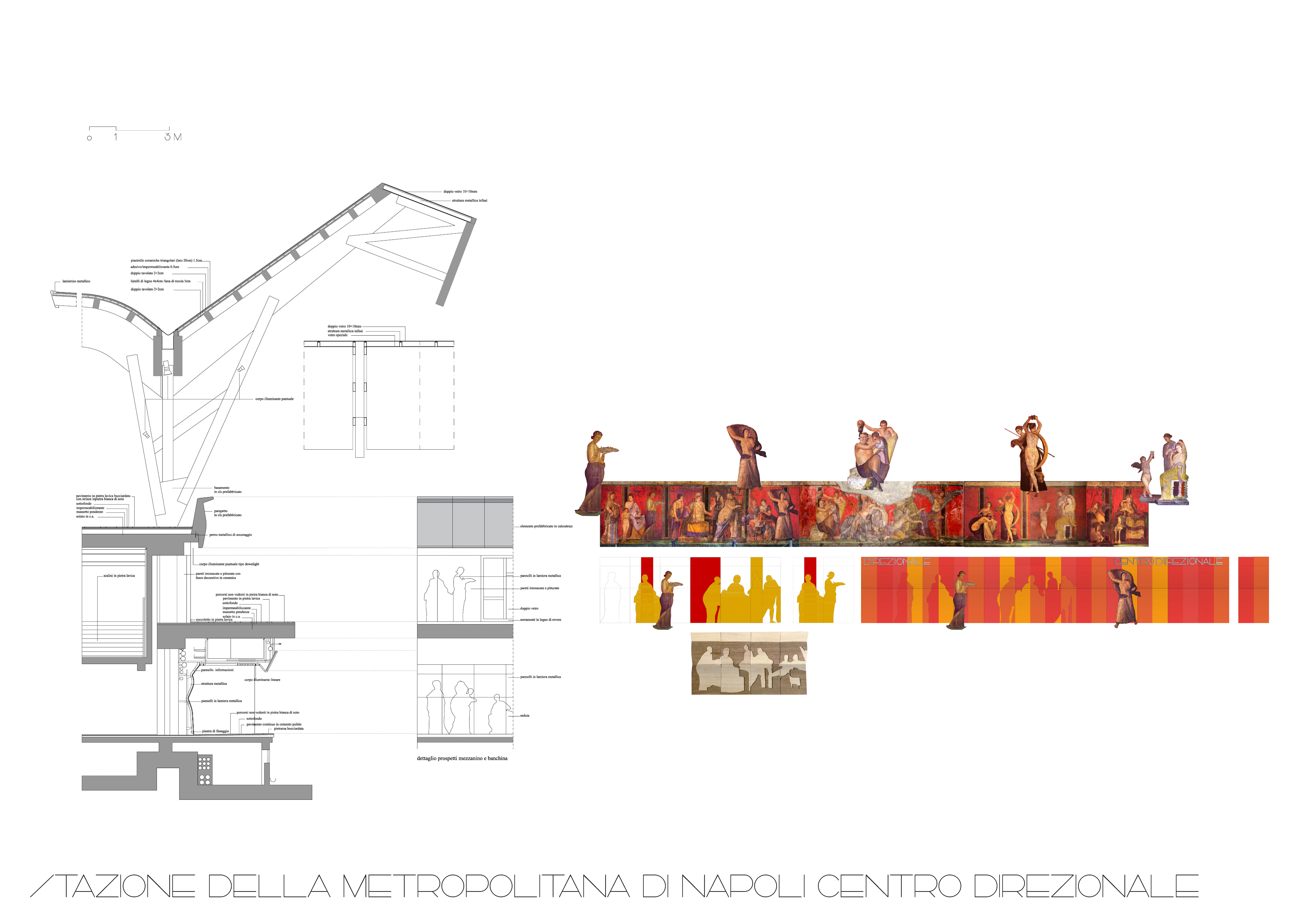
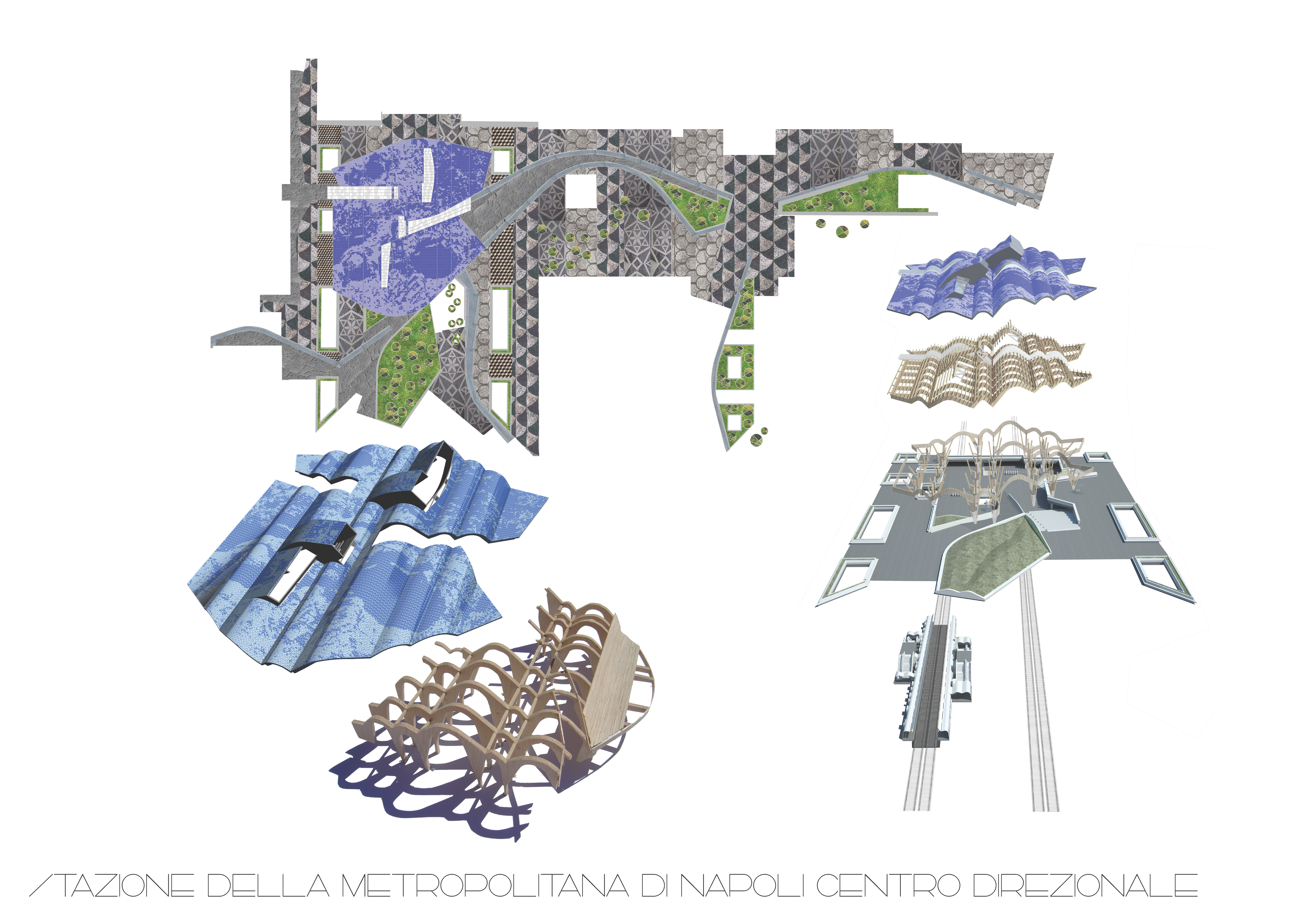
Naples Underground Central Station - Centro Direzionale transforms Kenzō Tange’s rigid business district into a vibrant civic space. With flowing timber vaults and Pompeian-inspired interiors, it merges infrastructure, art, and archaeology to reconnect the city.
Collaborators
Project Director: Joan Callís - Miralles Tagliabue - EMBT; Design Team Leader: Valentina Nicol Noris - Miralles Tagliabue - EMBT; Structure: Julio Martínez Calzón - MC2
Program
Infrastructure
-
Labels
Subway
Site area
10000 m²
-
Client
Metropolitana di Napoli S.p.A.
Total gross floor
10000 m²
Cost
2000 €/m²
Located in Naples’ Centro Direzionale, the new Line 1 station redefines a modernist district often deserted outside office hours. The project introduces organic timber structures, landscaped plazas and ramps that reconnect the elevated platform to the city. Interiors reference Pompeian frescoes, and public spaces integrate infrastructure with art and archaeology. More than a transport node, the station becomes a cultural landmark and civic realm that revitalises the area with accessibility, fluidity, and urban life.
The Centro Direzionale, designed by Kenzō Tange in the 1980s, created an efficient but mineral urban environment, often lifeless beyond working hours. The new station acts as a catalyst to reverse this condition. Conceived as a “volcanic bubble” emerging from below, its fluid forms contrast with the rigid geometry of the district while ramps and terraces weave the business area back into the city. Laminated timber vaults recall both Naples’ natural landscape and classical stations, creating a warm and welcoming atmosphere. Pompeian-inspired interiors link the project to the city’s archaeological heritage, merging past and present. The strategy combines infrastructure with cultural and civic value, transforming a transport hub into a public landmark. It reactivates a sterile district, reconnects it with the city’s history and people, and demonstrates how architecture can bridge urban infrastructure with identity and human experience.
The station combines laminated timber, concrete and steel into an innovative hybrid structure. Timber was chosen for its sustainability, lightness, and ability to create curved, organic forms. Vaulted ceilings reinterpret classical railway architecture, giving the station a distinct spatial identity. Existing concrete supports are integrated with new wooden columns, optimising structural performance. Metal cladding in the tunnels, finished in vivid Pompeian colours, enriches the subterranean experience and signals arrival. Structural engineering by MC2 ensured integration with existing metro lines and resilience against seismic conditions. Timber is treated for durability and ease of maintenance, while metal elements are protected against corrosion. This technical clarity underpins the project’s ambition: transforming a utilitarian metro station into a civic, cultural and ecological landmark that enhances public space and urban connectivity.