-

from the sea
-
from the sky
-
dark inside with terace
-
clear inside with big window
-
view from attic
-
terace
-
plans
-
sections
-
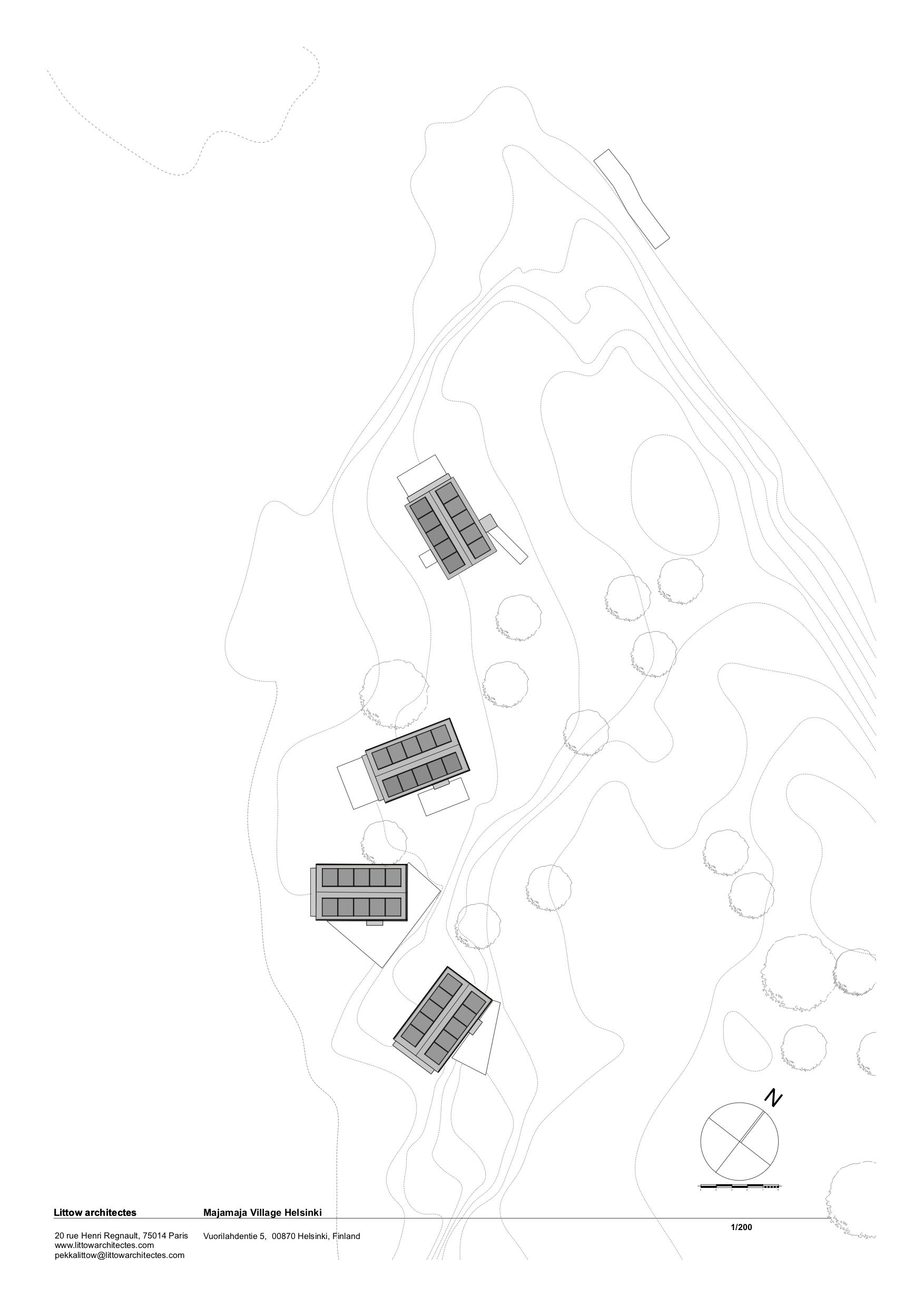
mass plan
-
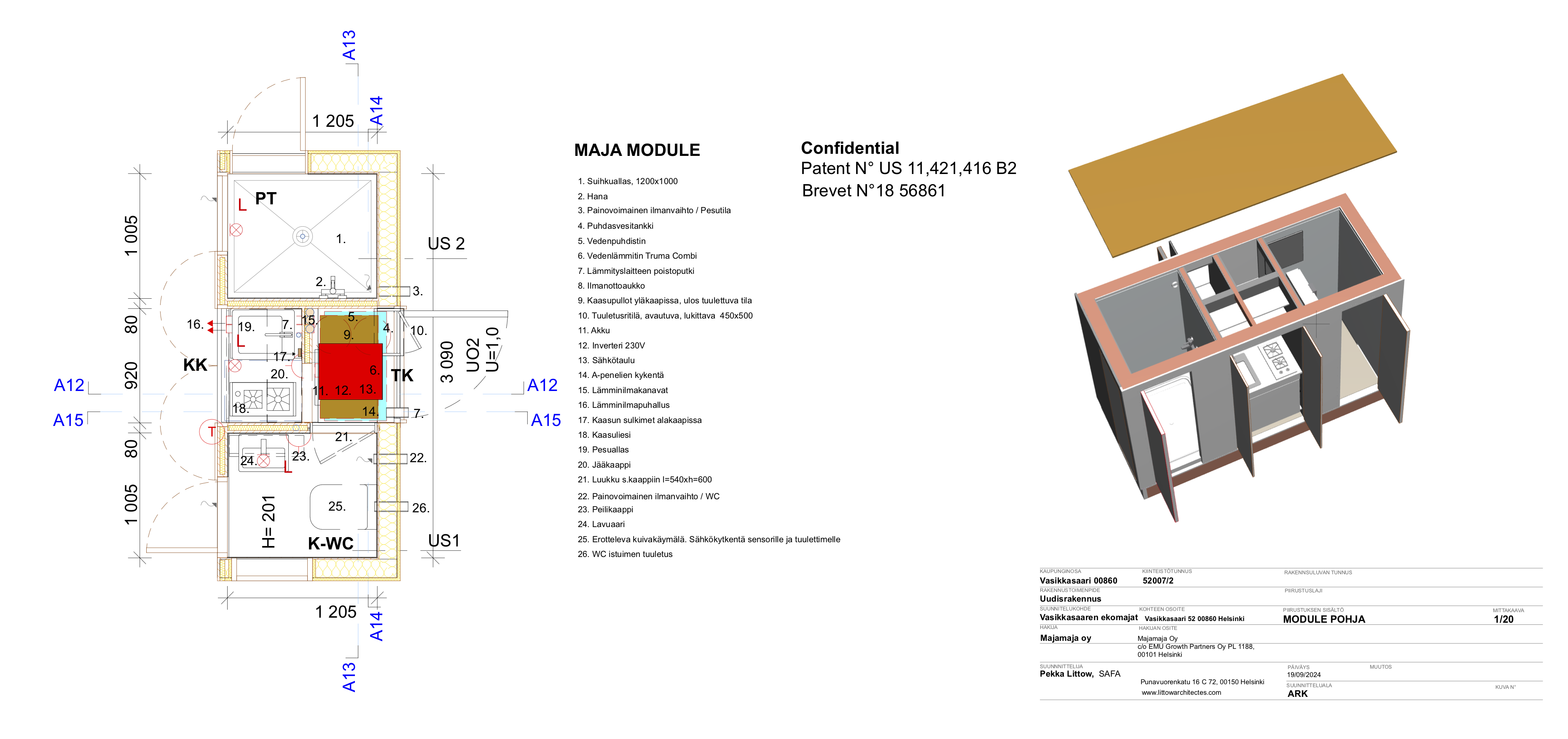
Module
Majamaja Off-Grid Village
Littow architectes. Helsinki, Finland
-
Name of work in English
Majamaja Off-Grid Village
-
Name of work in original language
Majamaja Off-grid lomakylä
Prize year
EUmies Awards 2026
-
Work Location
Helsinki, Finland
-
Studio
Littow architectes
EUmies Awards 2026 Nominees

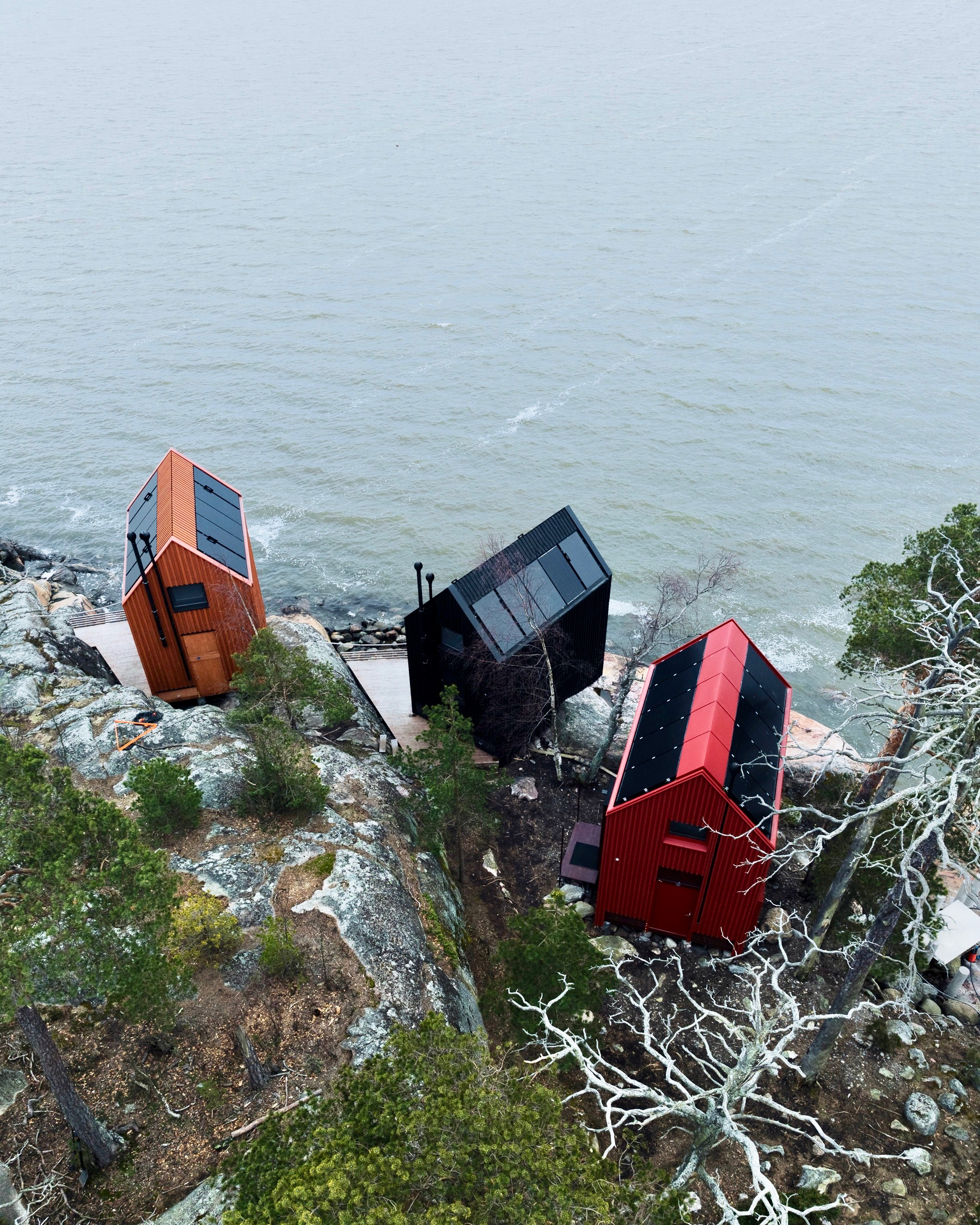
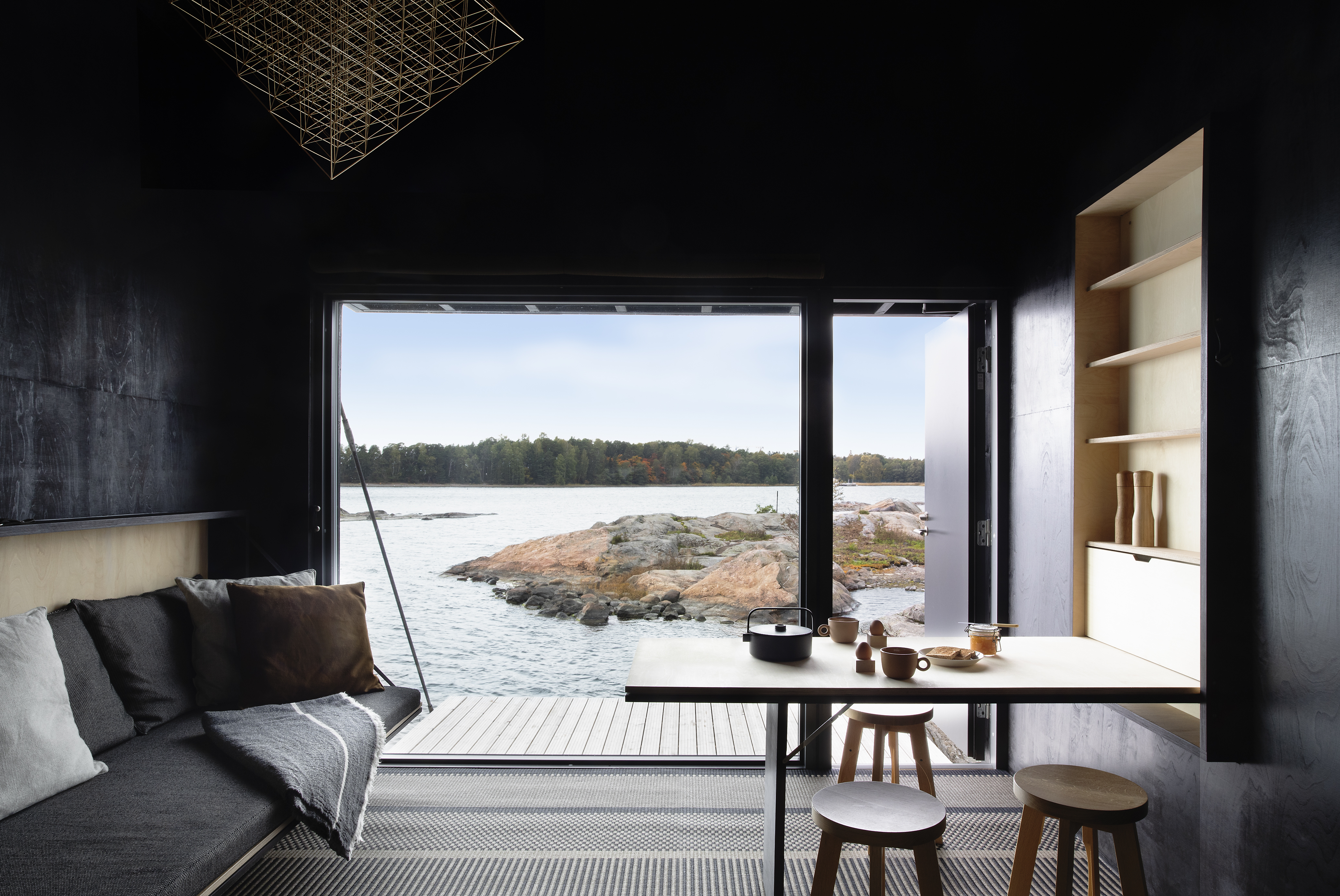

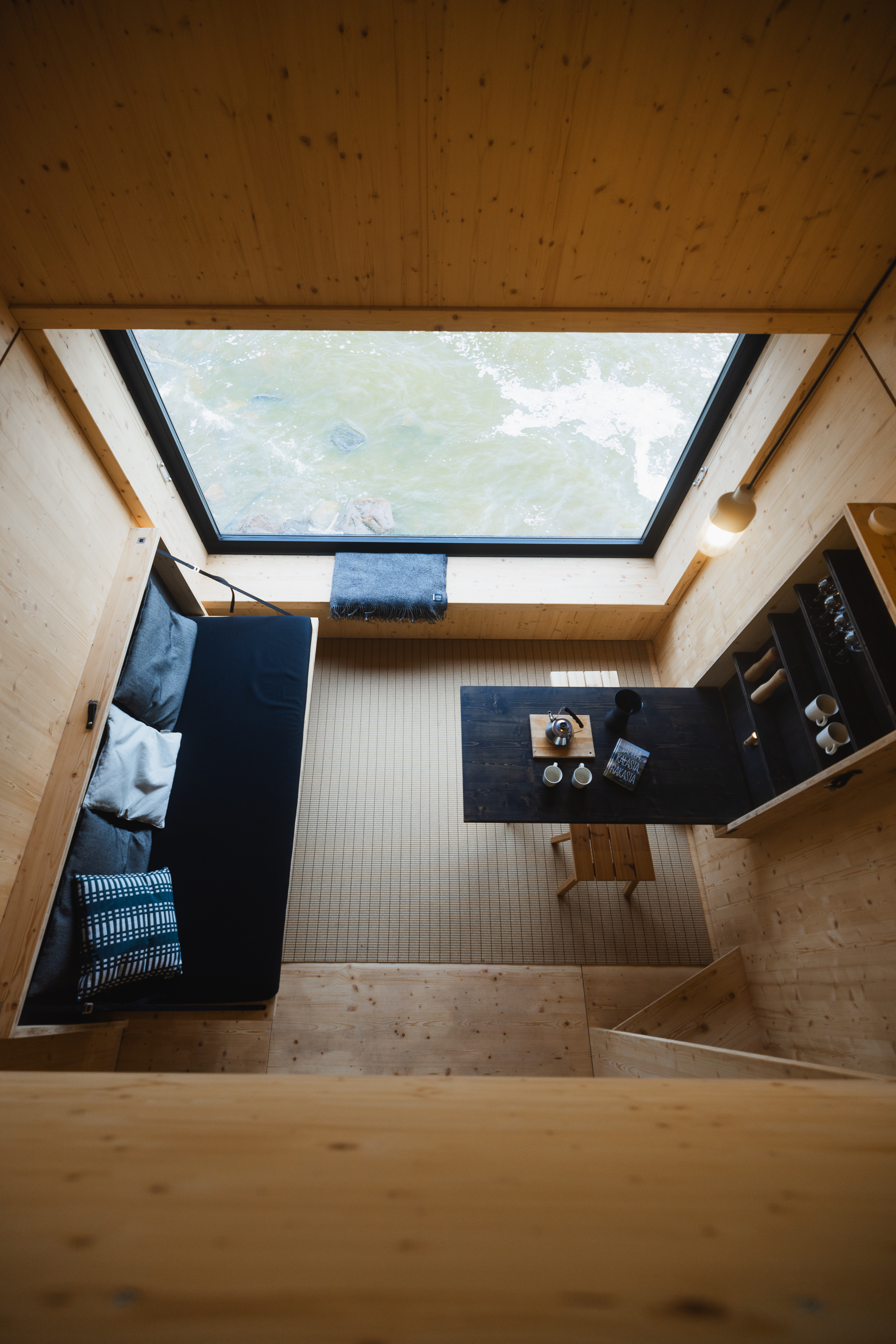
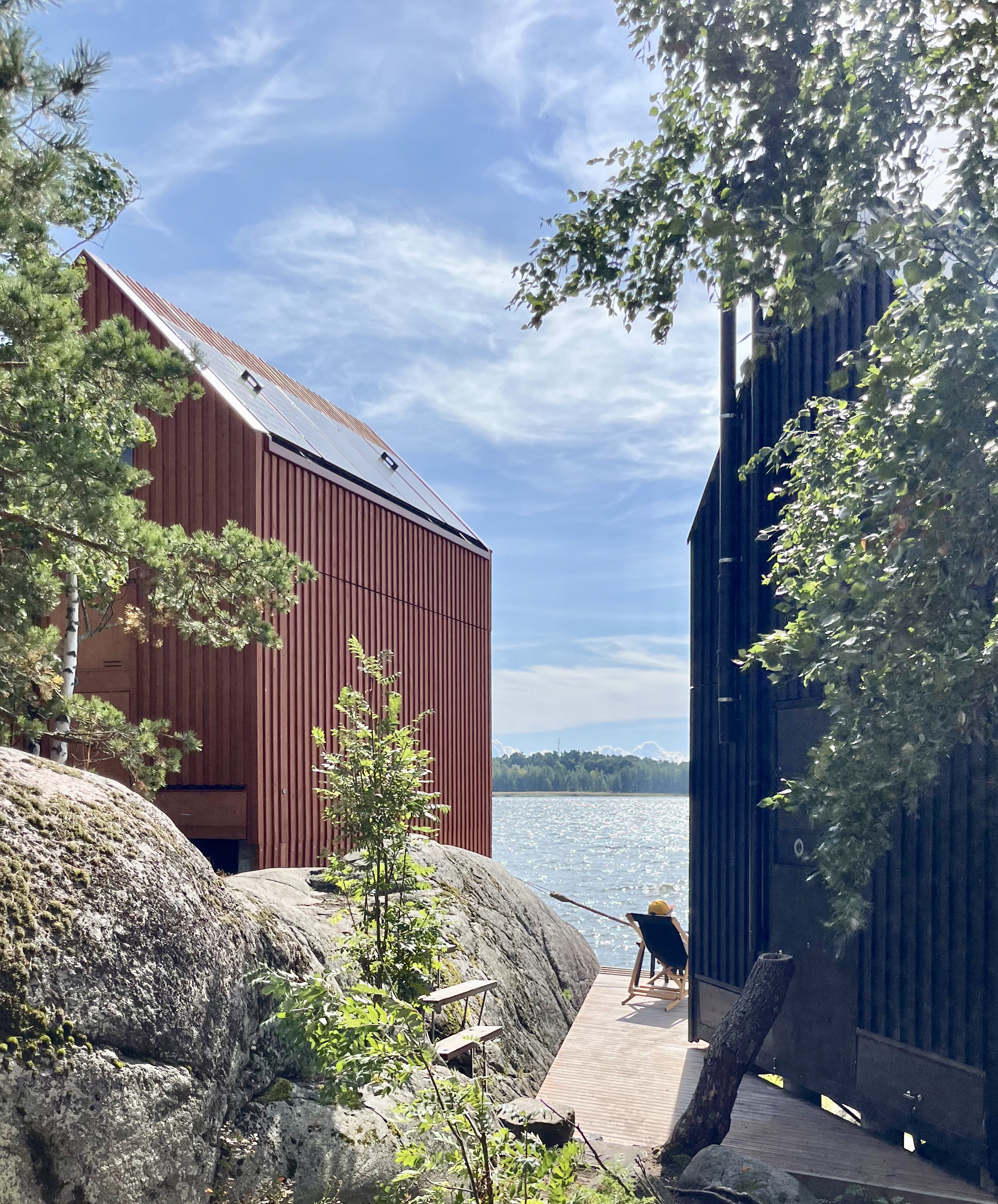


Majamaja Off-Grid retreat is a seaside holiday village that operates completely off the grid and independently. It demonstrates that it is possible to provide basic needs anywhere and serves as a concrete response to the global movement toward sustainable construction.
Collaborators
Development & Innovation: Autio Tuomas - Majamaja; Energy: Vincent Monteux - E-longlife; Energy: Yannick Boussard - Bren-tronics; Interieur decoration: Päivi Meuronen; Fourniture design: Joska Heikkilä; Structure: Jussi Koski - Koski Consulting; Collaborator (office): Satu Riski - Suunnittelupalvelu Riski
Program
Food & Accommodation
-
Labels
Sleeping · Nature
Site area
2200 m²
-
Client
Majamaja Oy
Total gross floor
94 m²
Cost
3000 €/m²
Majamaja village is built on the rocky seashore of the Helsinki archipelago. The cabins combine timeless aesthetics with contemporary design. The project draws inspiration from life in the Finnish archipelago, human-scale architecture, and a lifestyle in harmony with nature. Minimalist and refined finishes create a calm and serene atmosphere. Space is optimized through integrated storage within the floor structure and fold-away furniture that allows multiple uses of the living area. Construction materials consist almost entirely of solid wood.
The prefabricated cabins were transported by sea and assembled in a location with no road access or ground sanitation. Cabins are designed to allow organic growth on the site and elsewhere. Several units can be combined to form larger complexes, while individual units can be disassembled and relocated as needed. Each cabin is organised around a patented autonomous sanitary-kitchen module, coupled with a preinstalled energy storage and water treatment system. Energy and clean water are among the greatest challenges of the modern world. Majamaja demonstrates that it is possible to secure these necessities almost anywhere and to live off-grid, independently and comfortably, while using resources responsibly. The Village serves as a space for eco-learning, offering an experience of thoughtful and environmentally conscious living. Its long-term goal is to make this innovative approach a model for future housing solutions.
The autonomy of each unit prevents environmental damage typically caused by pre-construction works. The resulting financial savings are significant, allowing for the phased implementation of large-scale construction projects without the need for major upfront investment. Water autonomy is achieved by collecting rainwater or seawater from the Baltic, which is filtered through a purification system. Greywater is collected, filtered, and reused for irrigation in the immediate surroundings. The purification system is powered by energy generated from solar panels integrated into each cabin’s roof. Separation toilets collect liquids and solids, which can be composted and reused as fertiliser. Majamaja housing units rely on off-grid technologies for energy production and storage. Solar panels supply power, which is stored in high-efficiency batteries to operate the filtration system and essential electrical equipment. Heating is provided by clean-burning natural gas.