-

Lovas photo_1
-
Lovas photo_2
-
Lovas photo_3
-
Lovas photo_4
-
Lovas photo_5
-
Lovas photo_6
-
Lovas sketch_1
-
Lovas sketch_2
-
Lovas sketch_3
-
Lovas sketch_4
Lovas Minefield Memorial Site
Atmosfera. Lovas, Croatia
-
Name of work in English
Lovas Minefield Memorial Site
-
Name of work in original language
Spomen obiljezje Minsko polje u Lovasu
Prize year
EUmies Awards 2026
-
Work Location
Lovas, Croatia
-
Studio
Atmosfera
EUmies Awards 2026 Nominees
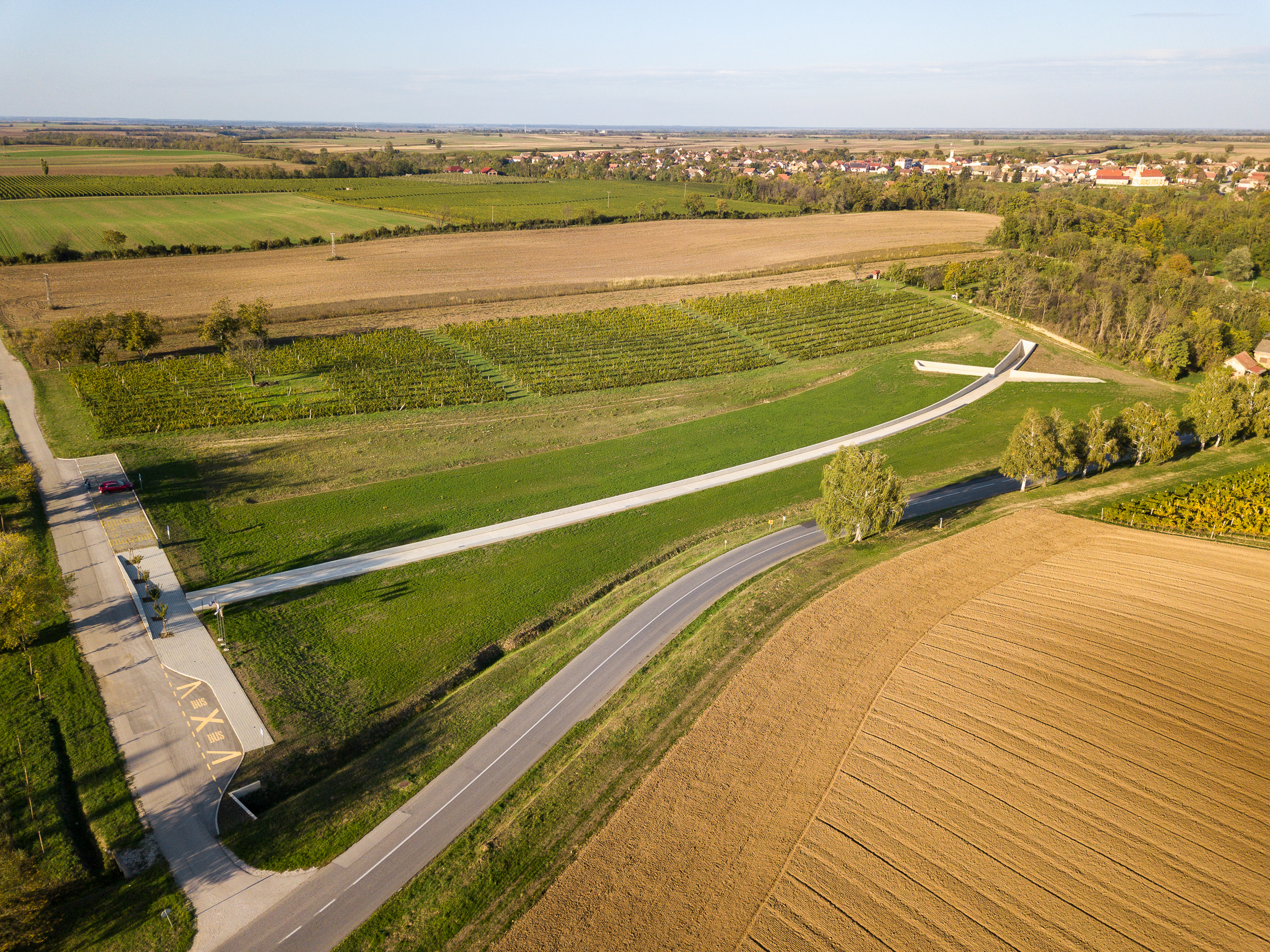

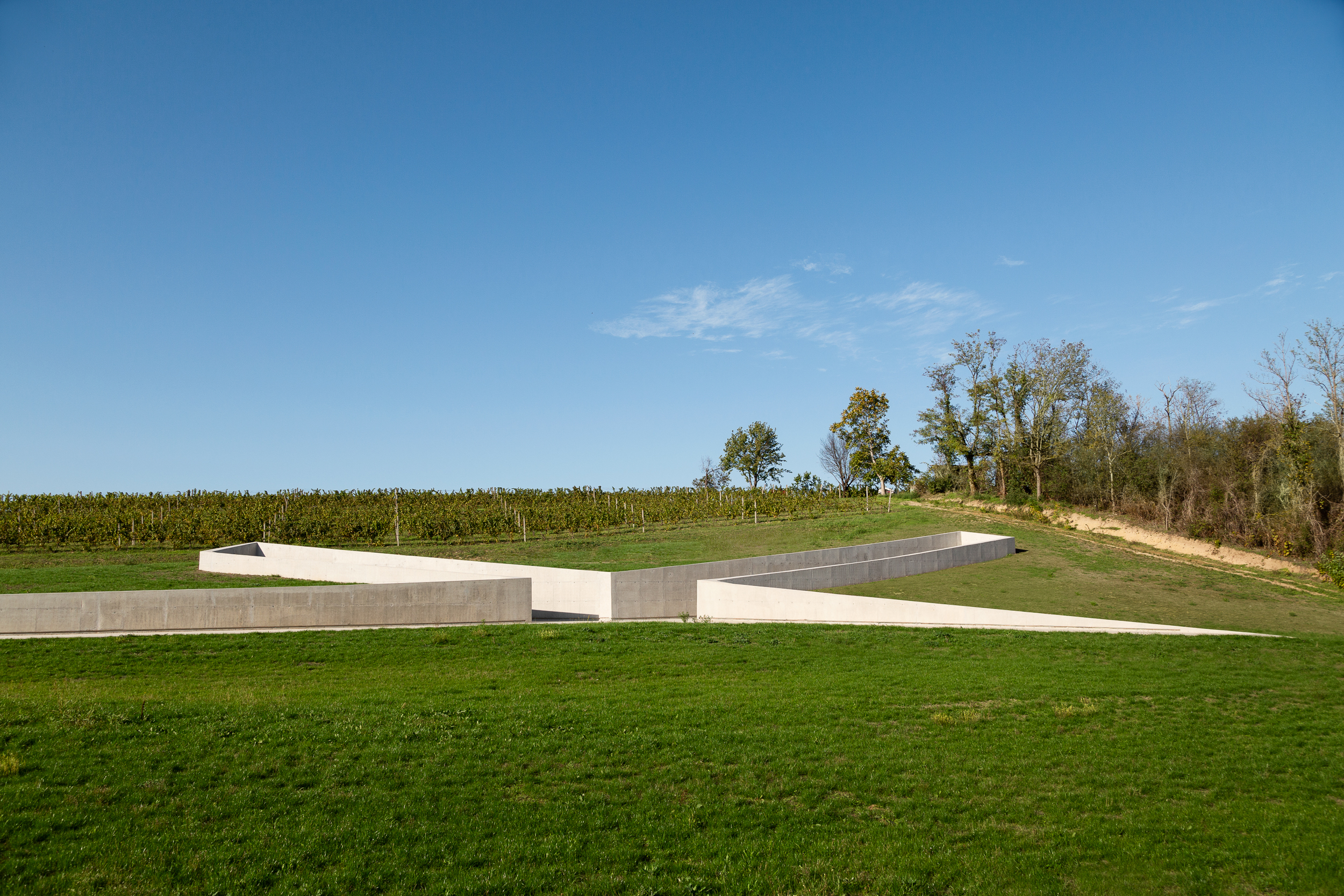
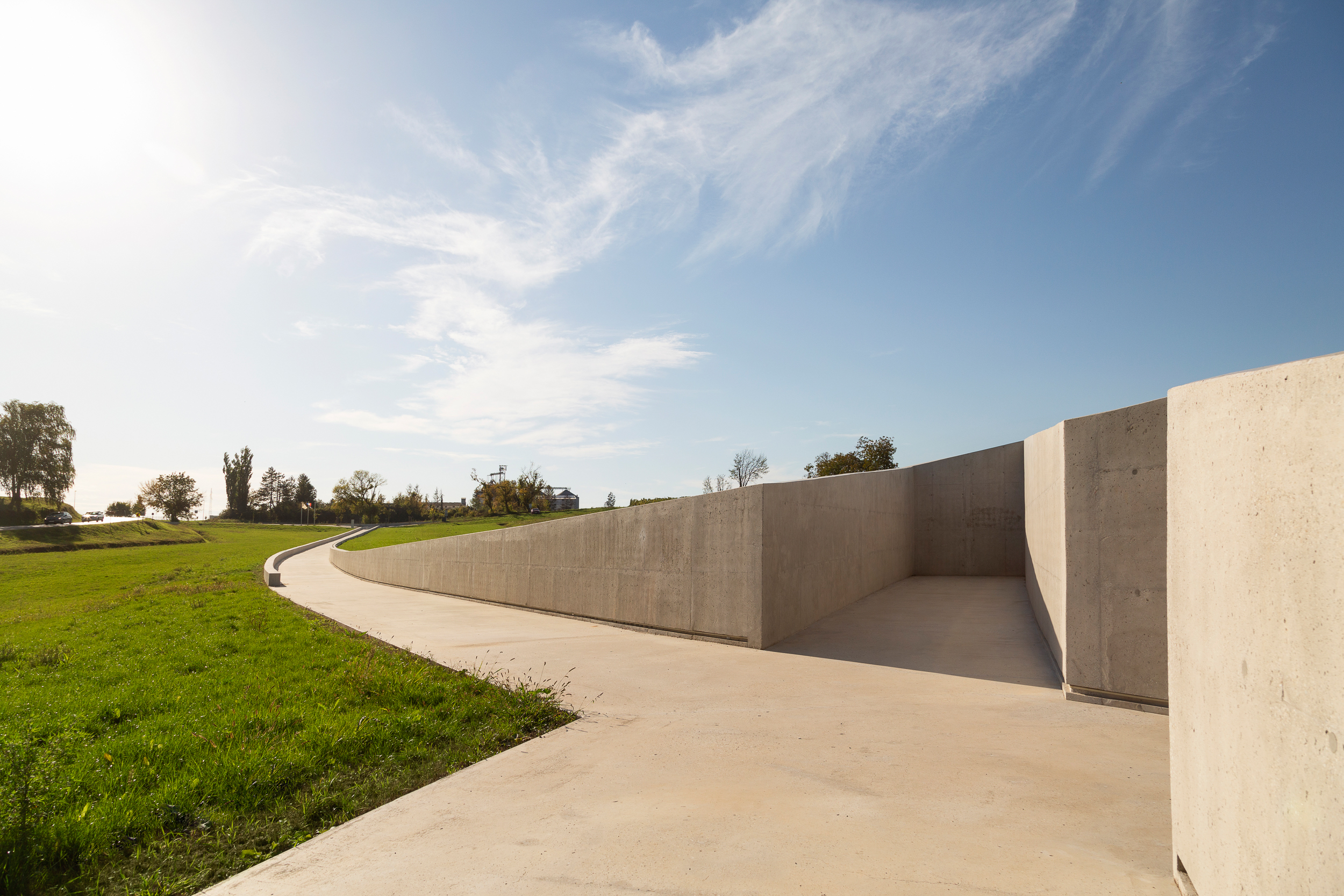

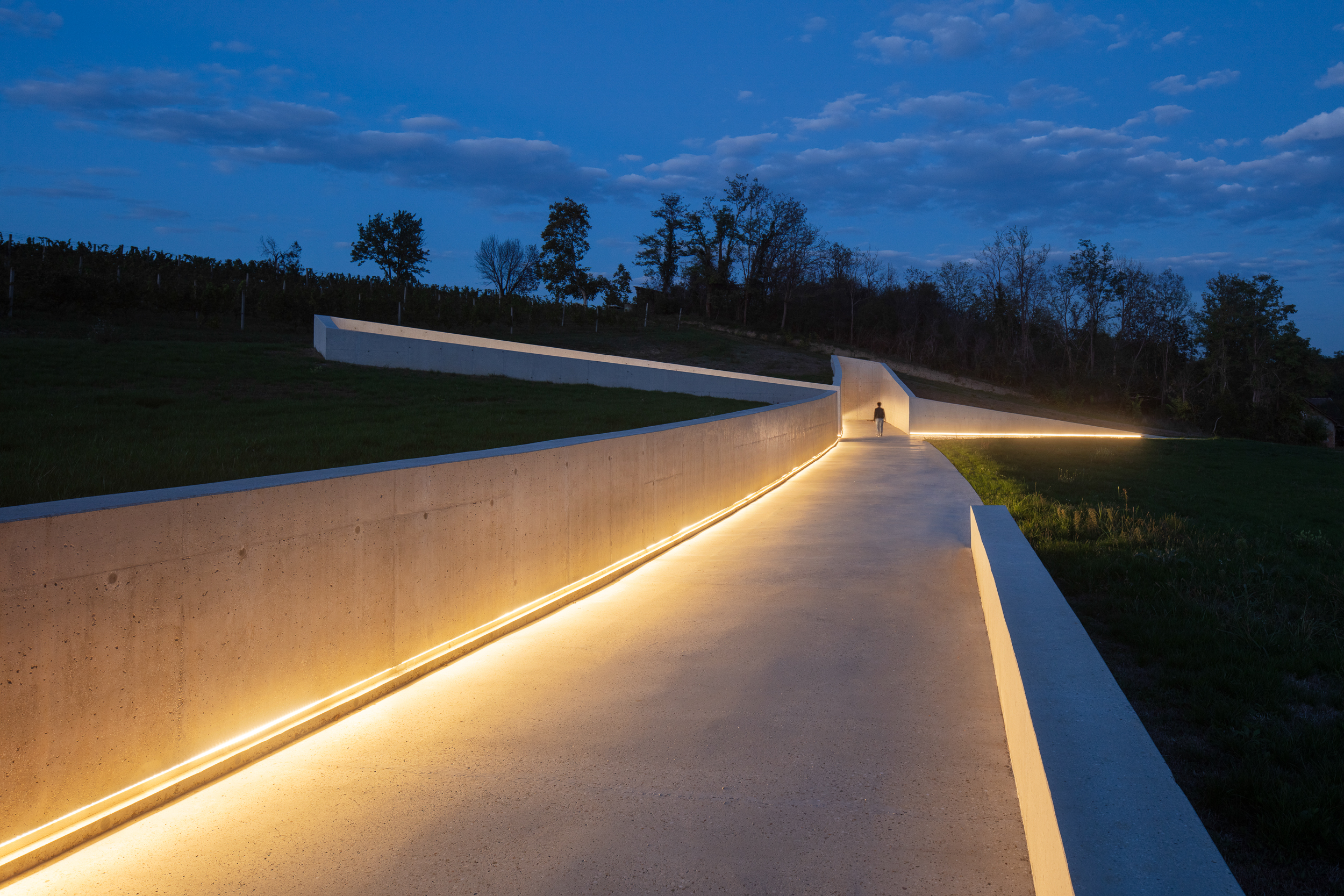

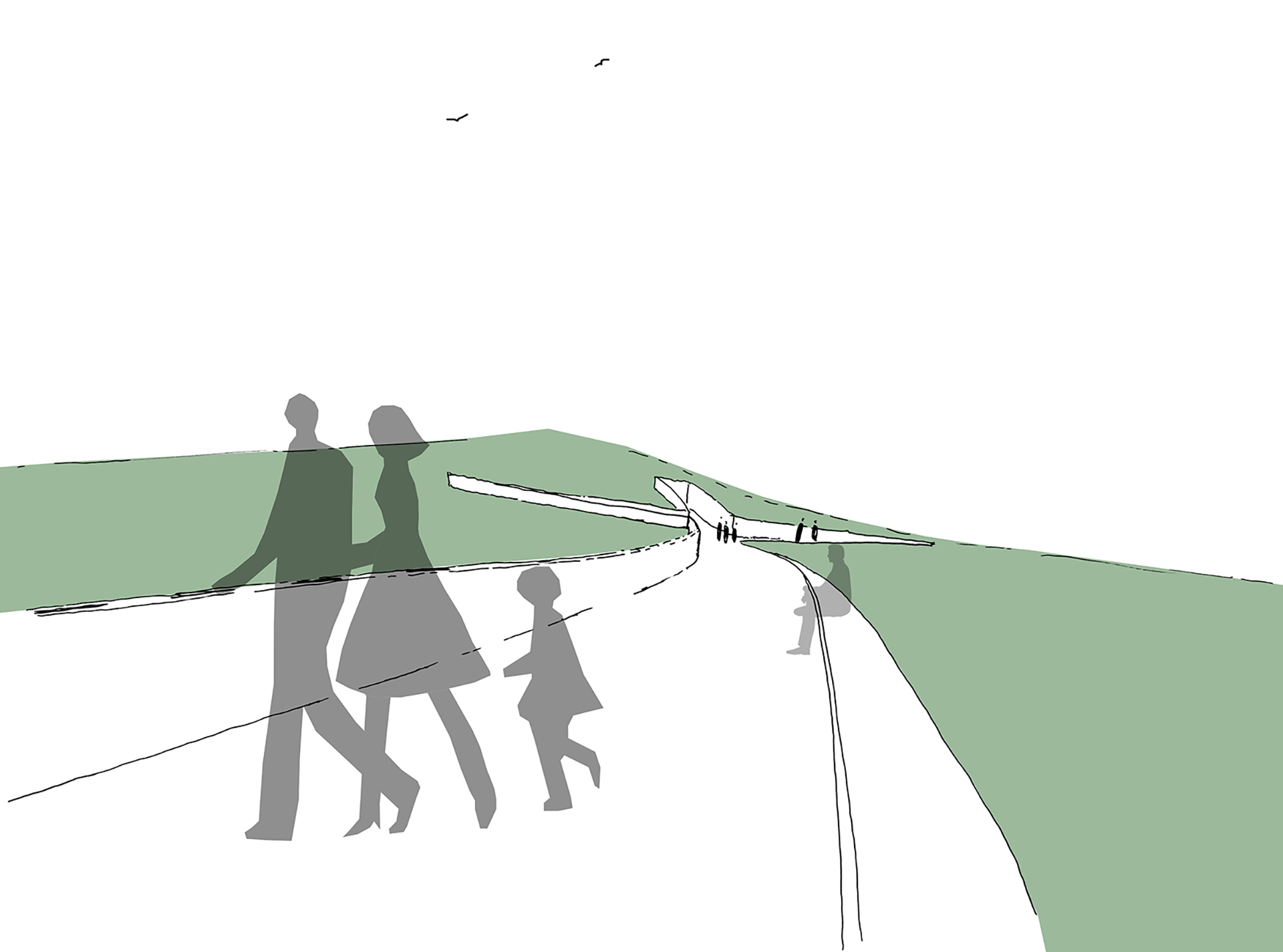


Lovas Memorial, realised from the first-prize-winning design in a public architectural and landscape competition, integrates the existing landscape, memory, sculpture, walkway, wall, light, and the symbolic cross into a unified and contemplative memorial space honouring the tragic wartime event.
Collaborators
Structure: Krešimir Tarnik - UIOG Tarnik; Graphic design: Ivan Dilberović - Studio Dilberović; Lighting: Bojan Vukušić - Vukušić projekti
Program
Culture
-
Labels
Memorial
Site area
15900 m²
-
Client
Municipality of Lovas
Total gross floor
1100 m²
In 1991, during the Croatian War of Independence, on the site of today’s memorial, 51 Croats from Lovas were, after torture and abuse, forced by members of the Yugoslav Army and Chetnik units to walk through a minefield — remembered as the “Bloody Harvest.” The project evokes a furrow — a white “scar” cutting across the surface of the Slavonian farmland — while the form of the Latin cross symbolises forgiveness and the Christian tradition of Lovas. This metaphorical scar endures as a lasting local landmark, visible and recognisable from both near and afar, preserving the collective memory.
In addition to the Client’s intention to convey the significance of the tragic event in Lovas through a dignified memorial, the brief also required the construction of a monument dedicated to all war victims from the Municipality of Lovas, incorporating a clear symbol of Christianity, peace, and love, together with a dignified presentation of the victims’ names, within a total area of 15,900 m². The architectural, sculptural, and landscape design harmoniously merges with the natural contours of the valley terrain, where the walkway and wall follow its lines. This spatial composition enables a gradual movement through the memorial. Along one side of the wall, an alphabetical list of the fallen unfolds, while on the opposite side extends a low wall with informational panels and discreet seating areas. The gently curving path between the walls never reveals the cross in its entirety; instead, it focuses the visitor’s attention on the names, the landscape, and the presence of peace.
The choice of material and construction had to meet the requirements of simple maintenance and the planned budget. To achieve uniformity of the spatial intervention and clarity of expression, a single material was selected – reinforced concrete. Given the intervention total length of 220 metres, the main challenge was to ensure the continuity of the concrete surface without visible expansion joints. The chosen method involved alternating concrete pours, with each second segment cast after a sufficient time delay to allow proper bonding between sections. Upon completion, the entire concrete surface was polished to further enhance its visual uniformity. Due to the low level of ambient lighting in the rural surroundings, the memorial is illuminated on one side by a concealed continuous line of light, directed away from the sky and integrated into the wall. In this way, movement along the memorial is clearly perceptible at night, while its presence in the landscape is subtle and dignified.