-

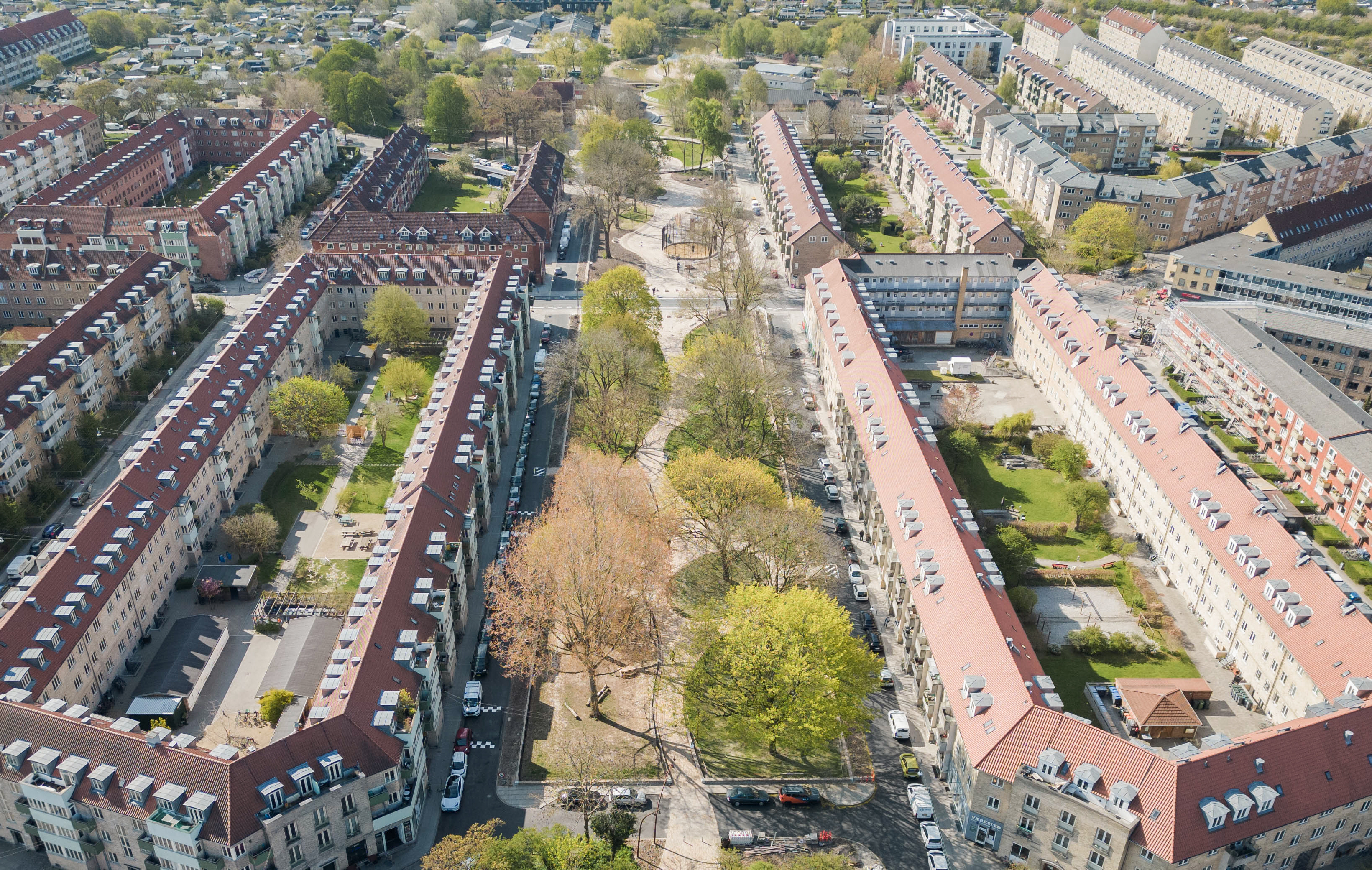
Karens Minde Aksen and its circular wooden bridge, seen from above.
-
The “Brick River”, which can alternate between wet and dry conditions.
-
Karens Minde Aksen constitutes a new connection and an important social space.
-
Karens Minde Aksen, seen from above.
-
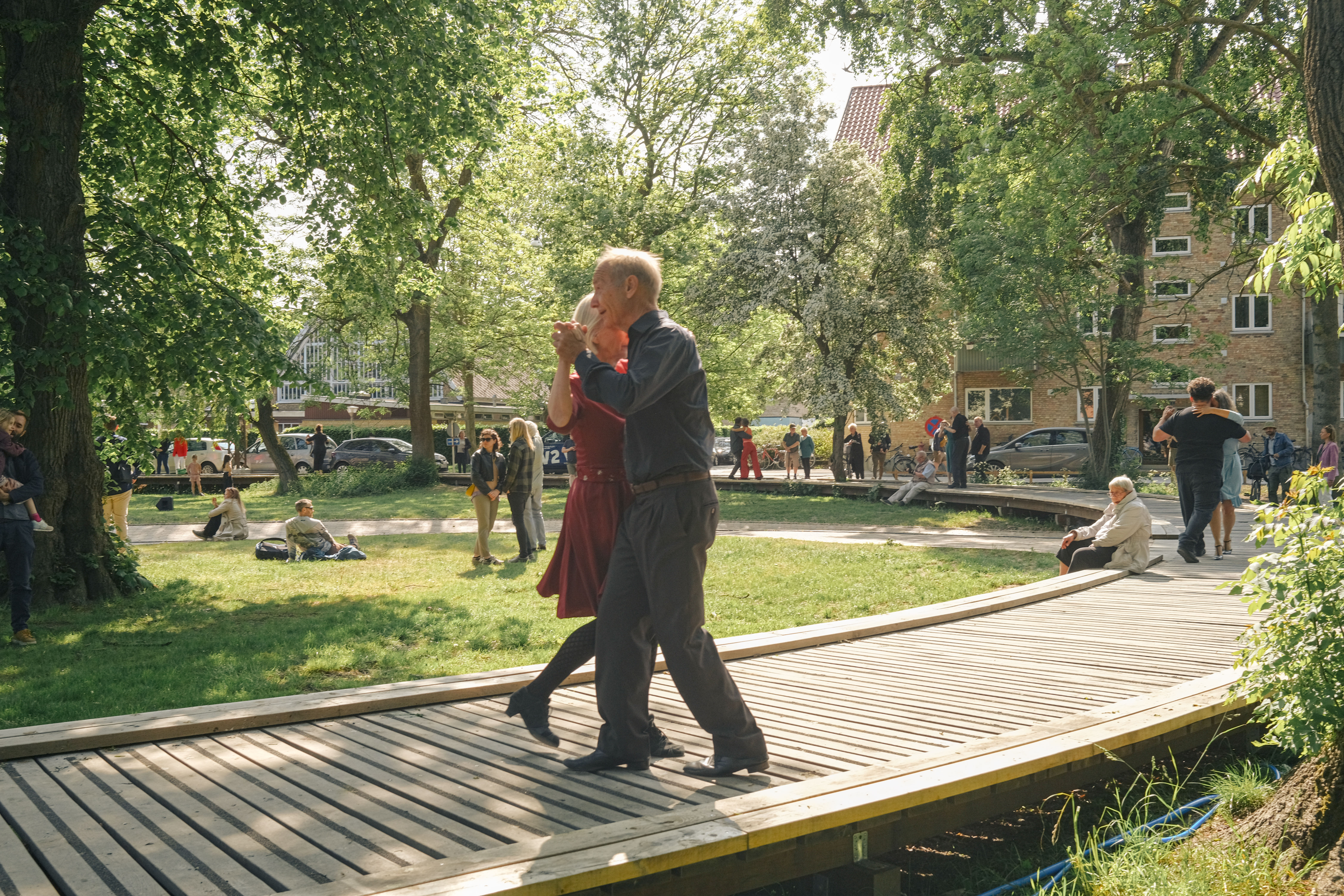
Karens Minde Aksen and its circular wooden bridge.
-
Rainwater is directed into the park and naturally filtered through a trickling meadow.
-
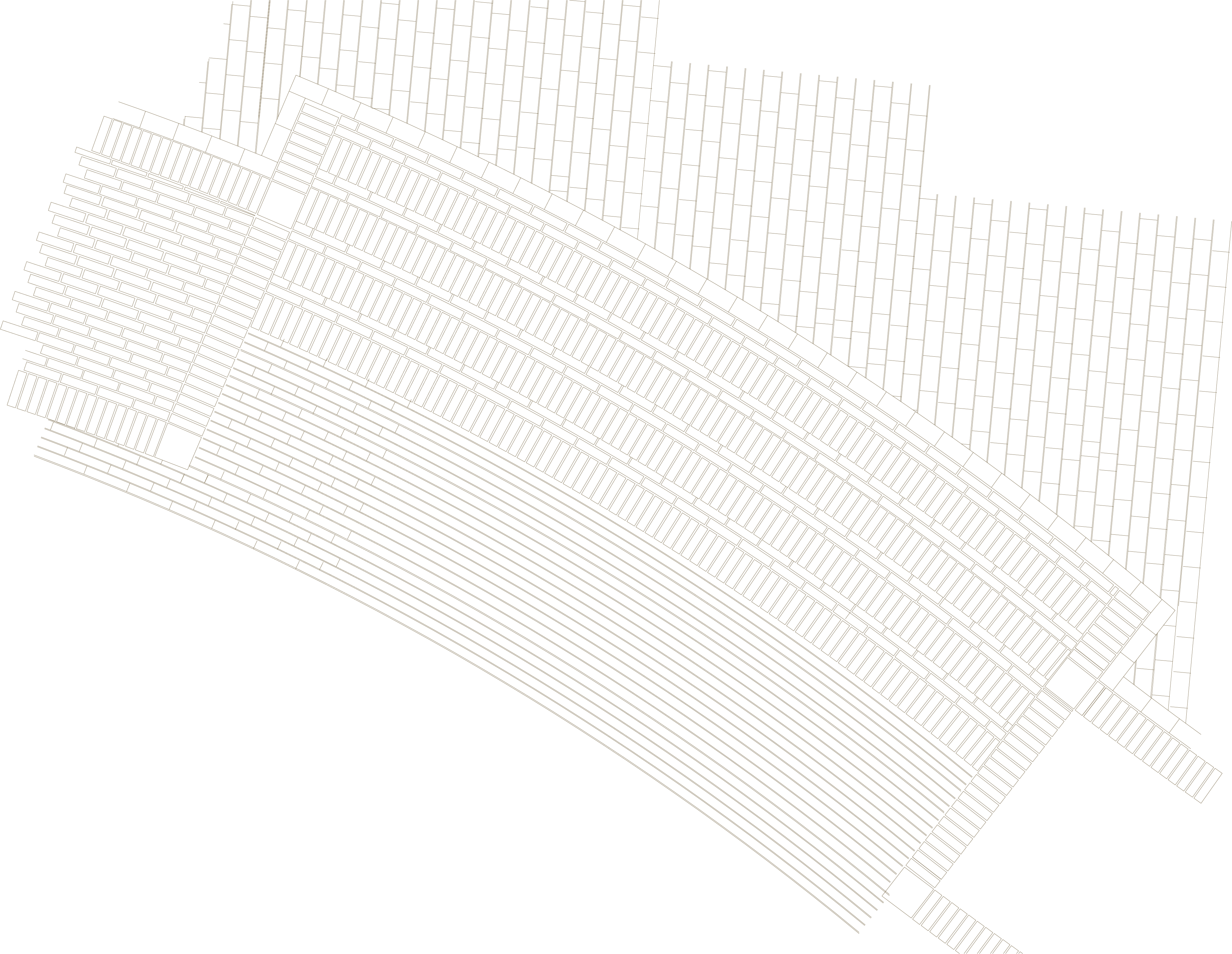
Plan
-
Sections
-
Sections
-
Details
-
Detail
-
Detail
Karens Minde Aksen
Schønherr A/S. København, Denmark
-
Name of work in English
Karens Minde Aksen
Prize year
EUmies Awards 2026
-
Work Location
København, Denmark
-
Studio
Schønherr A/S
EUmies Awards 2026 Nominees




Karens Minde Aksen is a climate adaptation project and a revitalised urban park in Copenhagen’s Sydhavn district. The project combines stormwater management, improved connections through the neighbourhood, local social qualities, biodiversity, and urban space design of strong architectural quality.
Collaborators
Collaborator (office): WSP; Collaborator (office): Vida Local; Construction management: Ebbe Dalsgaard A/S; Urban Renewal: Områdefornyelse Sydhavnen
Program
Landscape
-
Labels
Green Belt
Site area
37000 m²
-
Client
Københavns Kommune and HOFOR
Total gross floor
37000 m²
In Copenhagen’s Sydhavn district, an elongated area by Sjælør Boulevard and Karens Minde Cultural Centre has been climate-adapted and transformed into a revitalised urban park. The area is known for its distinctive grassroots spirit, semi-wild nature, and livestock animals, making it a unique gathering point for local communities and meetings across different ages and cultures. A brick-paved “riverbed” channels and retains large volumes of rainwater during cloudbursts, and the urban space functions as a recreational link through the neighbourhood.
The project grew out of the Urban Renewal of Sydhavnen’s wish to revitalise the Sydhavn district socially and physically. During the early stages of the participation process, local residents expressed a desire for better connections between the area’s functions and meeting places. Simultaneously, the stretch where Karens Minde Aksen is located today had also been designated as a potential cloudburst route in Copenhagen’s Cloudburst Plan. The task was therefore to create a new urban space that could serve as a new connection, a social space, and a climate adaptation measure. The project was developed closely together with local residents through an extensive participatory process. Schønherr managed project planning and design management and coordinated a strong team of sub-consultants in close interdisciplinary collaboration: WSP was responsible for the advanced hydraulic and technical solutions, while Vida Local led the citizen engagement process, ensuring broad local support.
The project is characterised by a technically demanding execution of complex brick pavements. The “Brick River”, which can alternate between wet and dry conditions, creates a natural winding course between large old trees, combining public space, pathways, and water conveyance. The “Brick River” can handle up to 15,000 m³ of stormwater from the large hinterland. Rainwater is directed into the park, naturally filtered through a trickling meadow, and finally flows into a large, newly established rainwater lake with diverse vegetation. A unifying circular wooden bridge has replaced the multiple crisscrossing paths that previously characterised the somewhat run-down park. Most of the existing trees have been preserved, with new ones planted alongside a rich flora of wild herbs that have replaced the former lawns and thereby support biodiversity. The robust design and tall grasses enhancing biodiversity require little maintenance. The total construction cost was 70 million Danish Kroner.