-

Zakros_T01.jpg
-
Zakros_S01.jpg
-
Zakros_01.jpg
-
Zakros_02.jpg
-
Zakros_03.jpg
-
Zakros_07.jpg
-
Zakros_04.jpg
-
Zakros_06.jpg
-
Zakros_09.jpg
-
Zakros_05.jpg
-
Zakros_Plan L3.jpg
-
Zakros_Plan L0.jpg
-
Zakros_Temp04.jpg
-
Zakros_Temp02.jpg
-
Zakros_Temp03.jpg
-
Zakros_Temp01.jpg
-
11000 A.jpg
-
1.jpg
-
1 100 B.jpg
-
P 1100 B.jpg
In search of the Minoan Path - Zākros Archaeological Museum
Aris Gkikapeppas. Kato Zakros, Greece
-
Name of work in English
In search of the Minoan Path - Zākros Archaeological Museum
-
Name of work in original language
Αναζητώντας το Μονοπάτι του Μίνωα - Αρχαιολογικό Μουσείο Ζάκρου
Prize year
Young Talent 2025
-
Work Location
Kato Zakros, Greece
-
Author/s
Aris Gkikapeppas
-
School
School of Architecture - National Technical University of Athens.
Athens, Greece
Young Talent 2025 YT Nominees



In search of the Minoan Path - Zākros Archaeological Museum
Zākros Archaeological Museum
Program
Culture
-
Labels
Archaeology · Exhibition · Museum · Nature
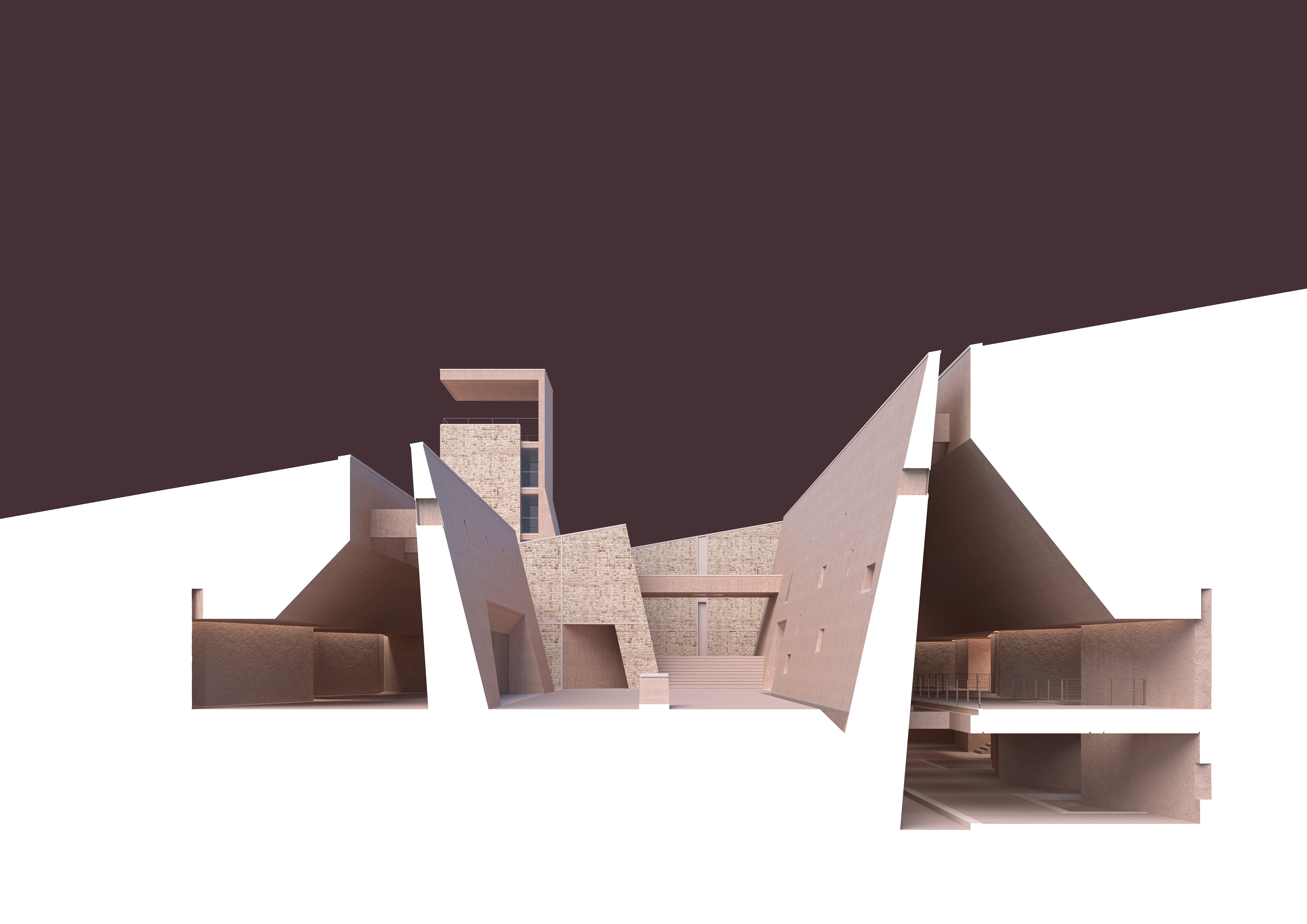
This thesis project examines an intervention at the archaeological site of Zakros, set against a unique natural formation significant to Crete’s history and identity. The approach centers on site analysis and Minoan palace typology. This museum design aims to create an embodied experience, rather than just to display findings, — a process of revealing, an active excavation event as the genius loci itself. The goal is a “landscape” act that integrates with the soil, offering more ethical than aesthetic significance, creating a world within a world, without overshadowing the palace itself.
Zakros, the gateway to the Western world, is home to the 4th Minoan palace, a settlement similar to those at Knossos, Phaistos, and Mallia. Nearby, the Dead’s Gorge, with its hollows and traces of burial and ritual sites, forms a dramatic natural setting. The design seeks to establish a deep connection between the site and its symbolic meanings, guiding visitors through a path of visual and embodied engagement with the place. The design concept revolves around a "non-building" – an underground space that embodies the atmosphere of an empty space. The museum is not intended to compete with the palace remains but to transcribe the character of the place, reflecting the typological arrangements of Minoan civilization. The museum is organized around a sunken central courtyard, enclosed by two wings. The architectural syntax is defined by two walls: 1. A zigzag natural formation, corresponding to the cavities of the gorge. 2. An artificial linear thick wall with small openings, allowing light in beams, creating a chthonic, dramatic atmosphere. The interplay of light and darkness around the open space evokes a sacred, ritualistic atmosphere. The walls of death, corresponding to the burial sites, and the walls of light, representing birth, highlight the threshold between life and death—a dipole that references the beginning of the architectural praxis. Material choices include terracotta transcriptions that blend with the soil, resembling the clay artifacts findings. Linear A script engraved into the materials integrate the site’s history, creating an atmosphere that mirrors the "order" of Zakros. This design approach aims to respect and reveal the deeper layers of the site’s identity, allowing the museum to be a subtle yet profound part of the landscape.