-

Genius loci
-
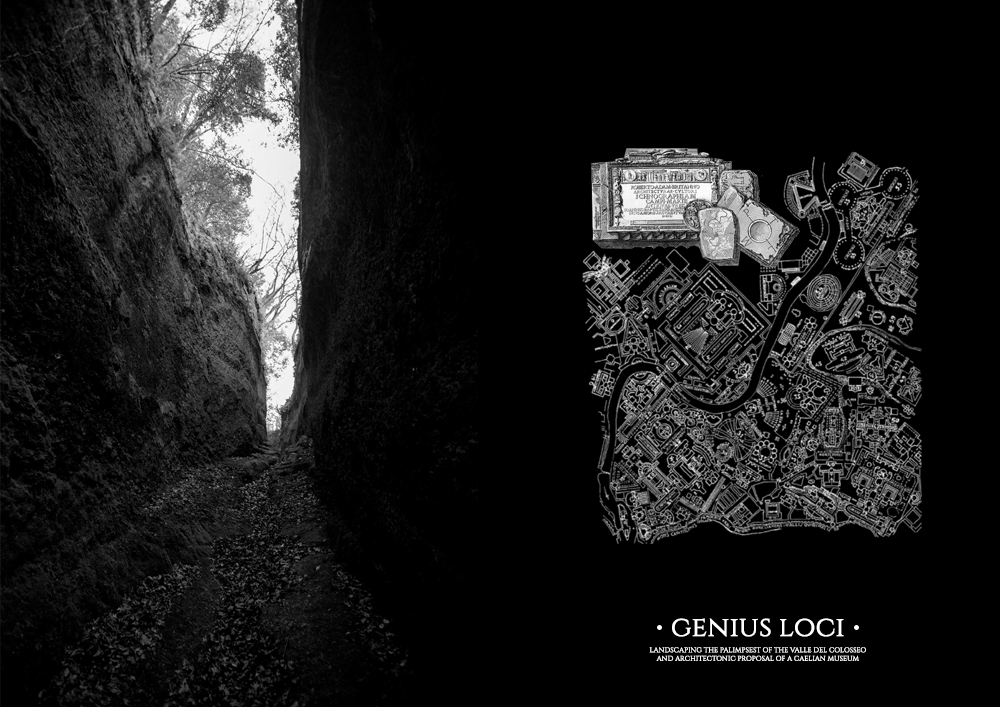
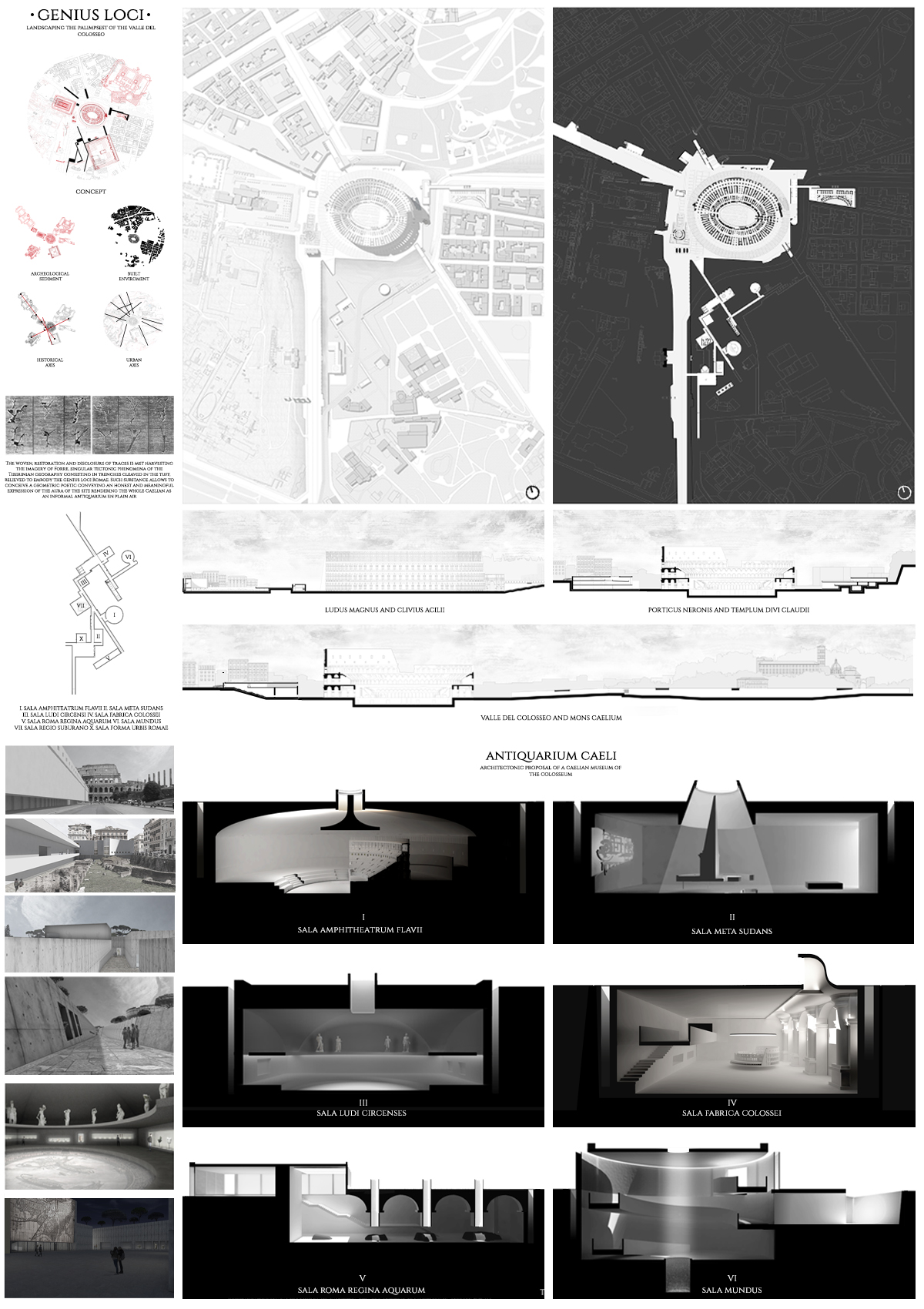
Concept. Critical layout
-
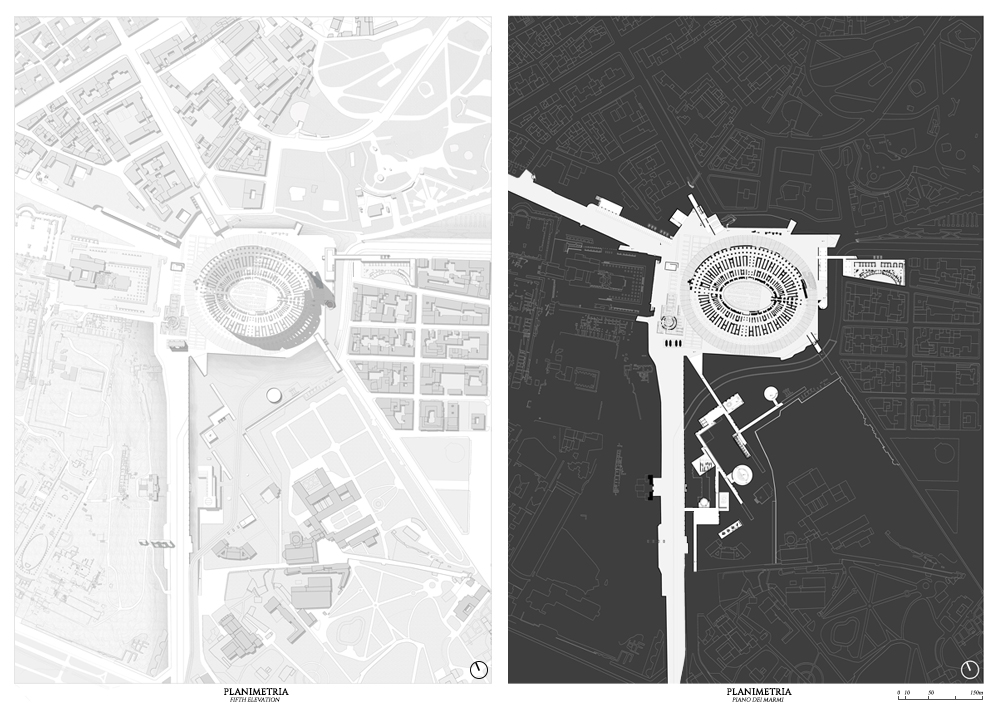
Plans. Piano dei Marmi and Fifth elevation
-
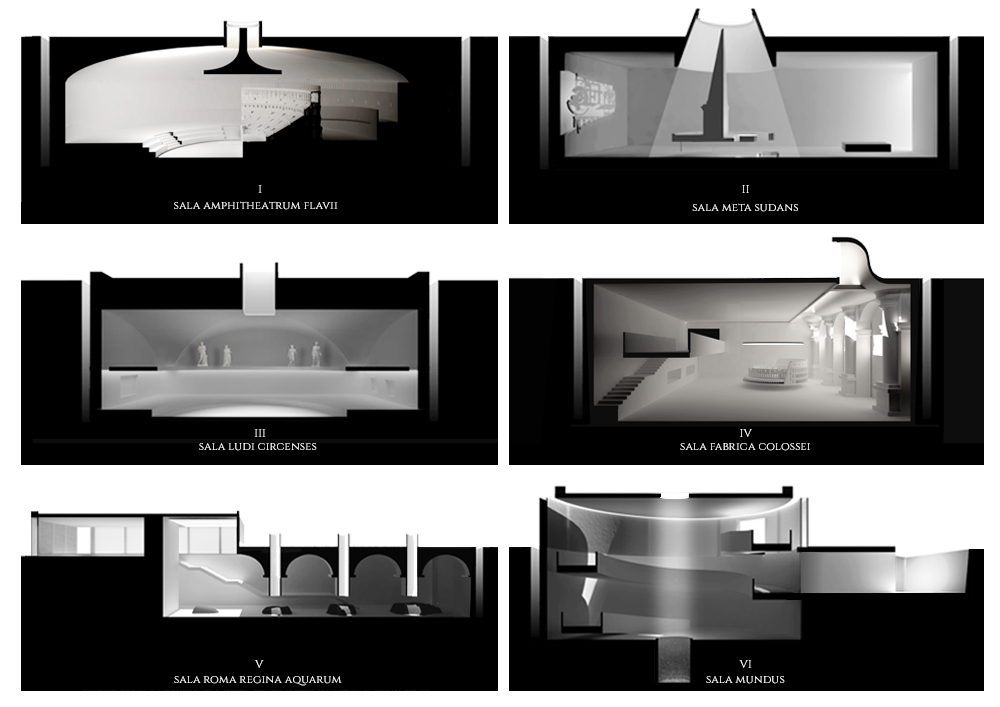
Sections. Topology and typology
-
Model
-
Antiquarium Caelii. Hypogean pavillions.
-
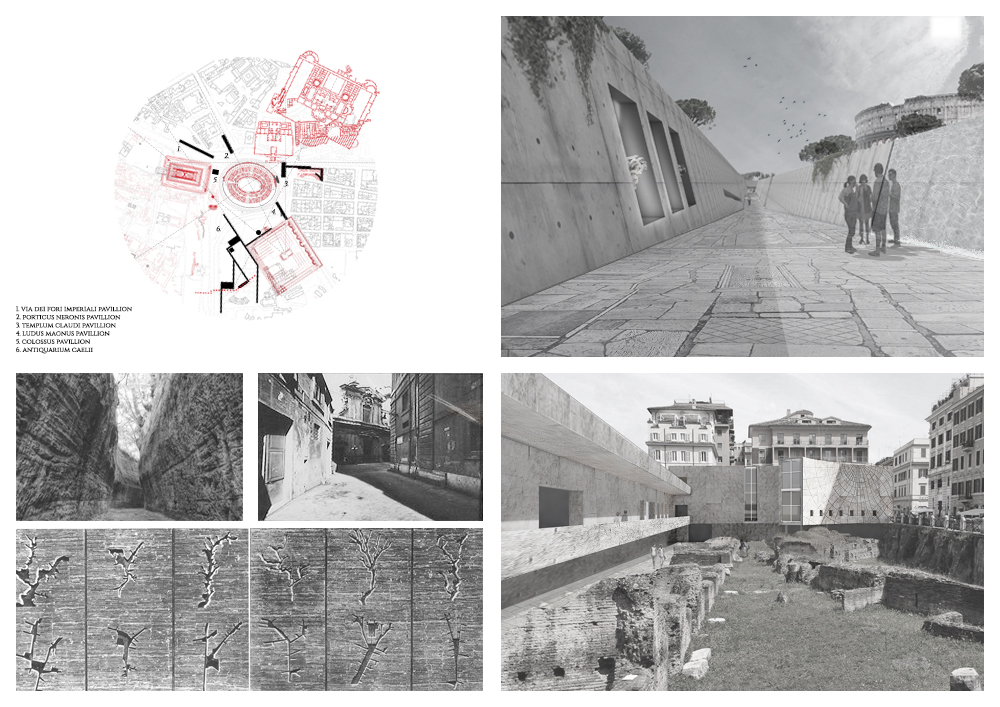
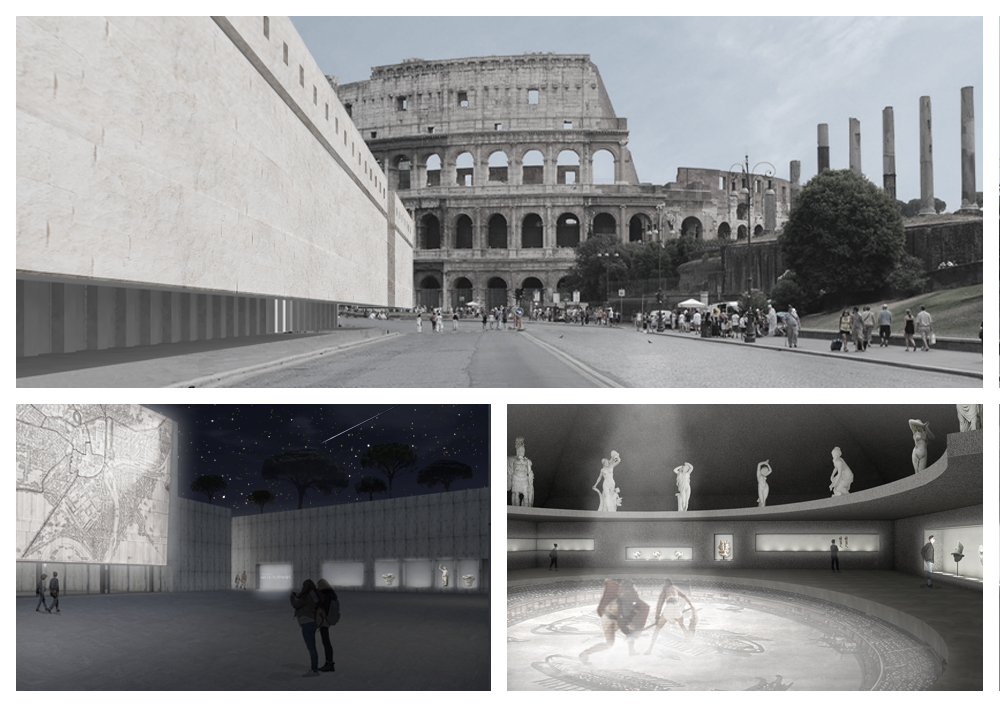
Scorci. Via dei Fori Imperiali, Forma Urbis Romae, Ludi Circenses pavillion
-
Genius loci. Landscaping the palimpsest of the Valle del Colosseo
-
Genius Loci.
Davide Bugionovi, Luca Alessandrini, Jacopo Cantalini, Andrea Albeggiani. Rome, Italy
-
Name of work in English
Genius Loci.
-
Name of work in original language
Landscaping the palimpsest of the Valle del Colosseo. Architectonic project proposal of a Caelian museum of the Colosseum.
Prize year
Young Talent 2020
-
Work Location
Rome, Italy
-
Author/s
Davide Bugionovi, Luca Alessandrini, Jacopo Cantalini, Andrea Albeggiani
-
School
School of Architecture - SAPIENZA University of Rome.
Rome, Italy
Young Talent 2020 YT Nominees


Genius Loci.
Landscaping the palimpsest of the Valle del Colosseo. Architectonic project proposal of a Caelian museum of the Colosseum.
Program
Culture
-
Labels
Heritage · Archaeology
«Nullus locus sine Genio.» Servius, Commentarii in Virgilium. «Nessun progetto dunque: ma un rovesciamento della Memoria dal passato al futuro, dell’Immaginazione dal futuro al passato.» G. C. Argan, Roma interrotta, 1978. «Faccio i miei progetti per il passato.» E. Flaiano, Diario Notturno, 1994.
Roma is a unique landscape where different times, historic traces and memoria coexist engraved in the shape of the Urbs. Memory is not an irrecoverable source, but a living, pulsing material awaiting to be imagined and realized hic et nunc. This cultural and imaginative substance is now fractured in a mosaic of isolated fragmenta lacking meaning, accessibility, realization: in this scenario a solution can be suggested with architecture, referring to Roman tradition of spontaneous usage, integration and resemanticization of these vestigia in the very fabric of inhabiting space – an active process akin to the method of palimpsest. The limes of the Amphitheatre basin are a hiatus between contemporary city and archaeological area; these in-between interstitial thresholds are treated as joint spaces where public buildings acting as cardines erode boundaries, opening the Valle del Colosseo as part of a sole urban landscape. The woven, restoration and disclosure of heritage is met harvesting the imagery of Forre, singular tectonic phenomena of the Tiberinian geography consisting in trenches cleaved in the tuff, believed to embody the genius loci Romae. Such substance allows to conceive a geometric poetic conveying an honest and meaningful expression of the aura of the site, making possible to envision a public fabric of semi-hypogean pathways engraved in the Mons Cælius and Piano dei Marmi, unearthing crossroads where scraps of timelines, axis, altitudes, scorci, latencies, stories have their possible rendez-vous. The priceless collection of archaeological sediments are used as construction material for the pathways – rendering the whole Caelian as an informal antiquarium en plain air. Hence the concept of museum is deposed: the exhibition is the very soil, enclosures and landscape of the Cælian hill, pavilions are embedded as part of the environment, pathways undergo constant change through time, seasons and usage, promoting active knowledge and culture production, by contamination of didactic sets with inhabiting features.