-

Patrimonio de caminos.jpg
-
Miradores.jpg
-
Fragmentando el paisaje.jpg
-
Iglesia de las Angustias.png
-
Del dormitorio al territorio.jpg
-
Del interior al exterior.jpg
-
Relación interior_exterior.jpg
-
Relación arbol_acequia_paisaje.png
-
landscape.jpg
-
Parque urbano.jpg
-
Axo del proyecto.jpg
-
Relación vivienda cultivo paisaje.png
-
Relacion vivienda, cultivo, paisaje.png
-
Segunda tipología de viviendas.png
-
Seccio Constructiva.jpg
Fragmented landscapes.
Nil Carreras del Peso. Alhama de Granada, Spain
-
Name of work in English
Fragmented landscapes.
-
Name of work in original language
Un territorio fragmentado.
Prize year
Young Talent 2025
-
Work Location
Alhama de Granada, Spain
-
Author/s
Nil Carreras del Peso
-
School
Escuela Técnica Superior de Arquitectura de Granada - Universidad de Granada.
Granada, Spain
Young Talent 2025 YT Nominees




Fragmented landscapes.
Agroturismo y hábitat en Alhama de Granada.
Program
Urban planning
-
Labels
Master plan · Public Space · Heritage · Redevelopment
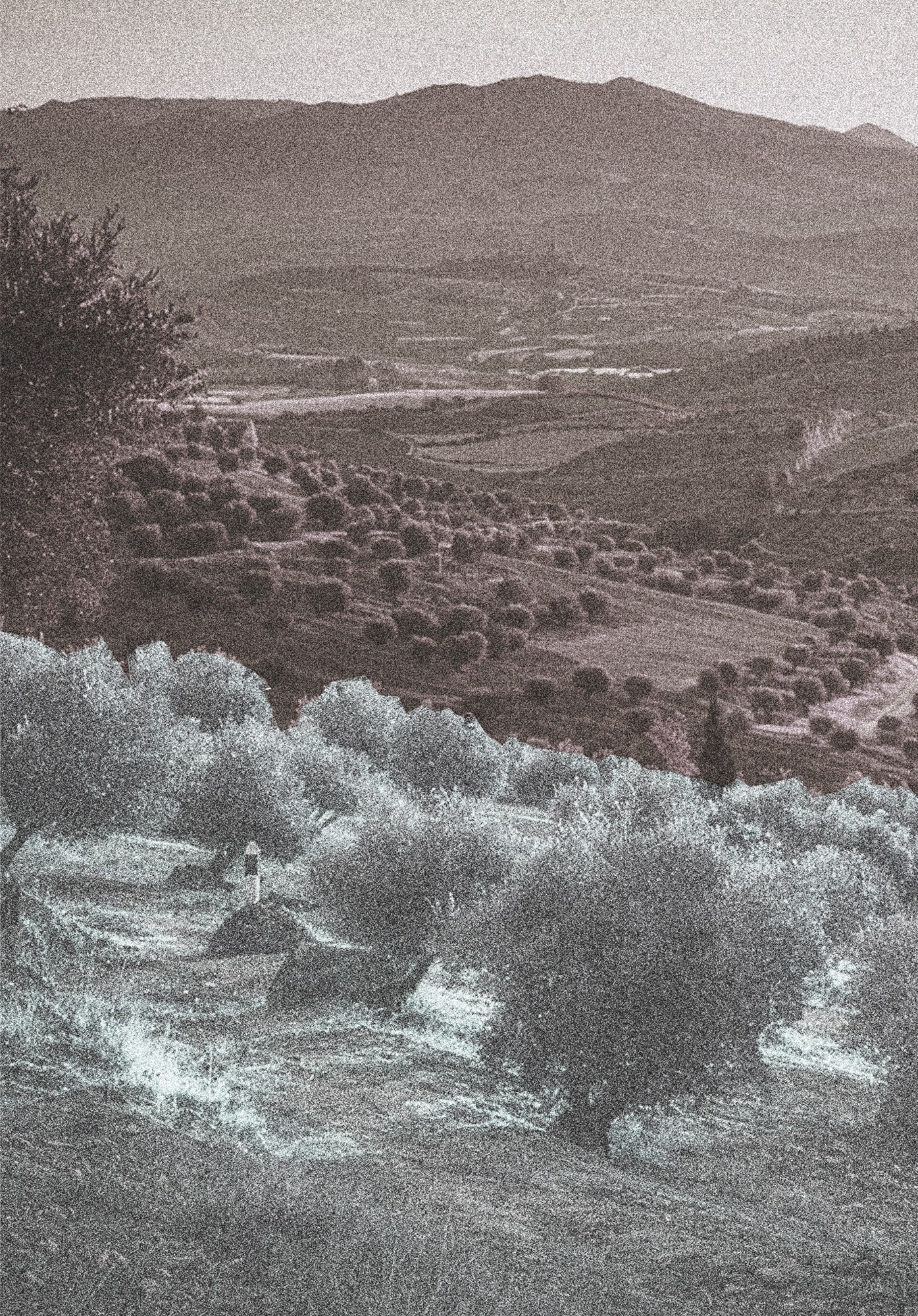
The intervention site, located on the edge of Alhama de Granada near the cliff side, is a marginalized area, isolated both geographically and in terms of road infrastructure, agriculture, and natural systems. The project addresses the deterioration of the "Iglesia de las Angustias" and aims to reconnect urban and agricultural landscapes. By incorporating temporary and permanent housing, public spaces, and an agro park, it seeks to revitalize the community, strengthen local identity, promote sustainable development, and reimagine the landscape's relationship between past, present and future.
The project seeks to regenerate the deteriorated "Barrio Árabe", blending architecture and landscape to revitalize the area while preserving its heritage. It introduces an innovative model of collective living, combining permanent and temporary housing with agricultural and communal programs, reinforcing the region's historical identity and connection to the land. Guided by four main objectives—urban-rural connectivity, sustainable growth, ecological balance, and social-agricultural consolidation—the project implements six strategic actions, including redefining boundaries and integrating ecosystemic services. The Church of Las Angustias becomes a cultural and agricultural hub, while architectural design uses walls to blend structures with the landscape. A key component is the agro-park, which introduces diverse tree and vegetable species, incorporates gender-sensitive design and enhances ground permeability for efficient water management. Permeable green corridors enhance biodiversity and climate resilience, supported by water management, energy efficiency, and native plant regeneration. These strategies promote heritage preservation, ecological restoration, and community development. Additionally, an agricultural cooperative is established to support local farmers. The residential component includes 20 dwellings—10 permanent (locals) and 10 temporary (tourists)—designed to encourage social interaction and blend with the natural environment. This intervention fosters a symbiosis between temporary housing, permanent housing, agriculture, architecture, and landscape, emphasizing the identity of each subspace. This project reimagines rural-urban integration, balancing heritage preservation, ecological consciousness, and sustainable development for future growth.