-

Front of the Polish Embassy in Berlin
-
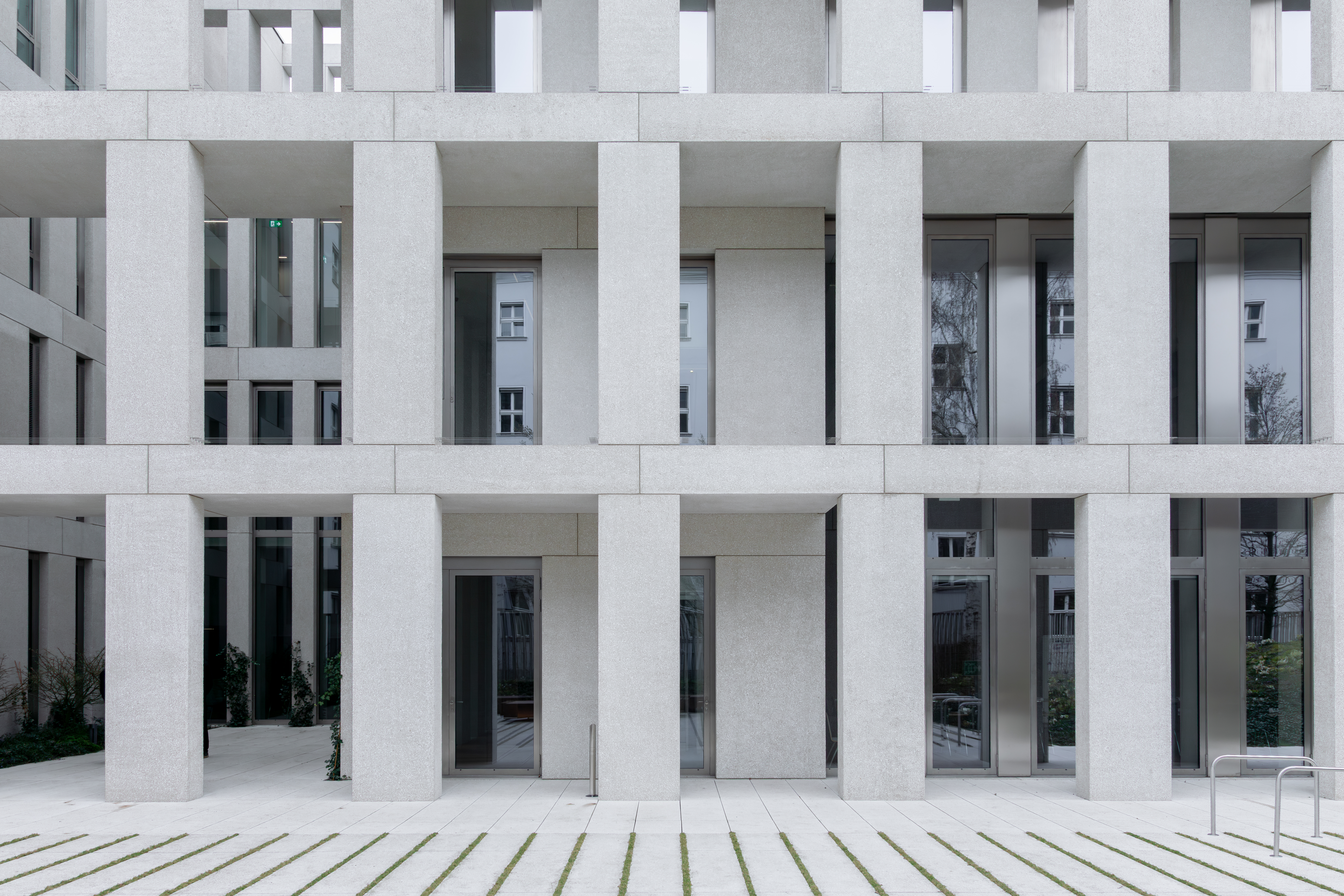
Embassy courtyard
-
Terrace on the roof of the embassy
-
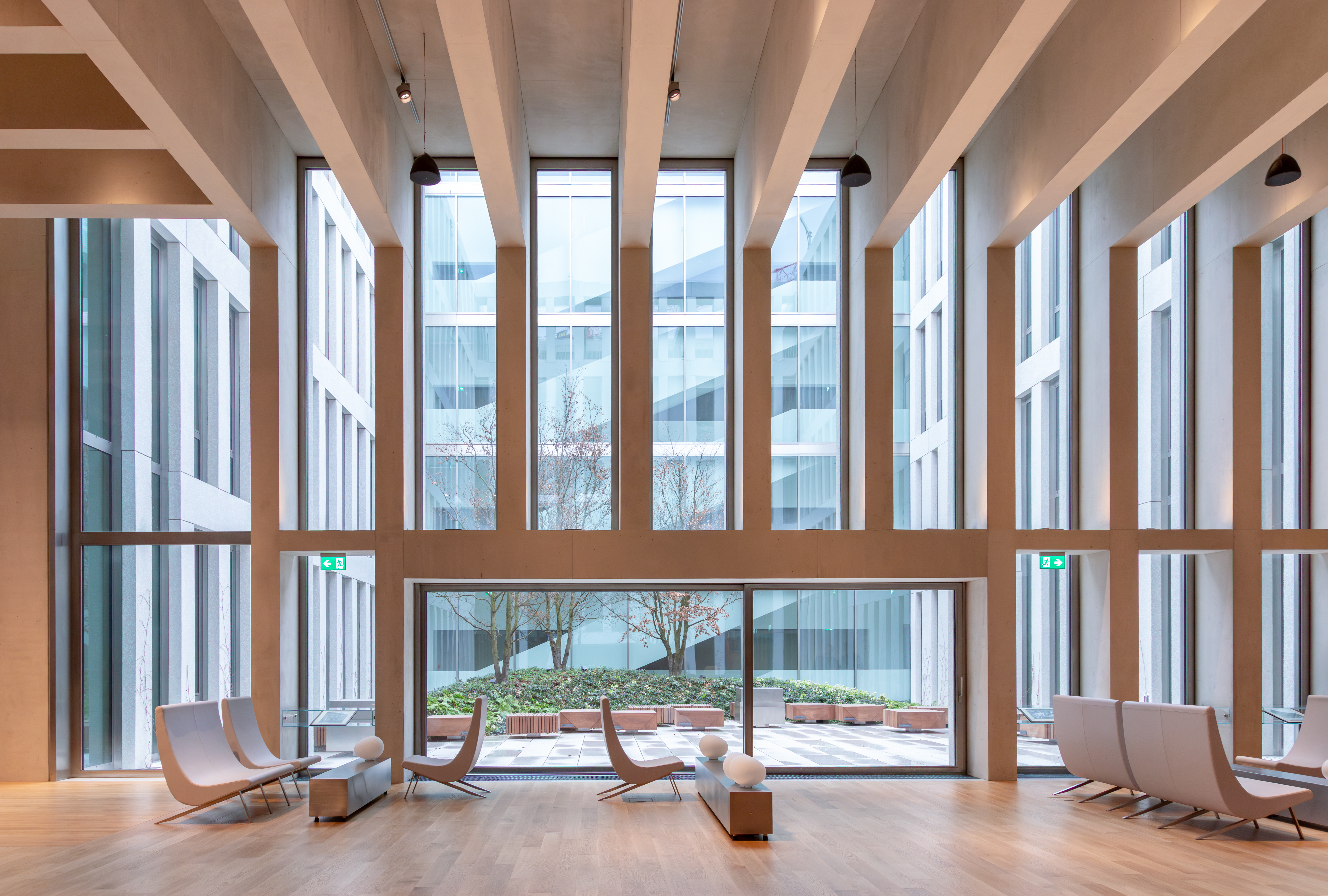
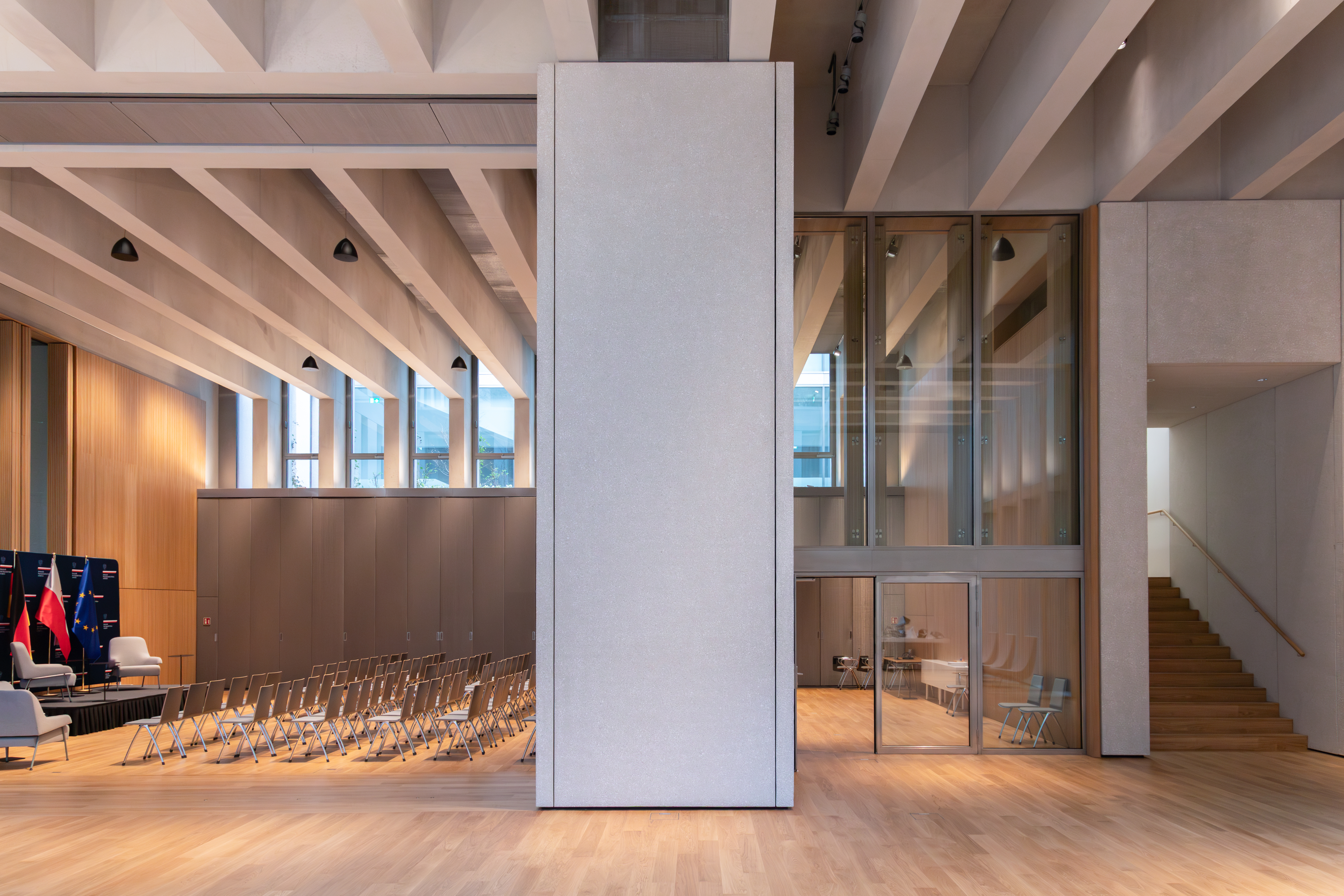
Interior of the embassy
-
Interior of the embassy
-
Facade of the embassy
-
Site plan
-
Drawing of the embassy context
-
Drawing of the embassy structure
-
Model of the embassy facade in different lighting
-
Embassy facade model
-
Embassy model showing three courtyards
Embassy of the Republic of Poland in Berlin
JEMS Architekci. Berlin, Germany
-
Name of work in English
Embassy of the Republic of Poland in Berlin
-
Name of work in original language
Ambasada Polski w Berlinie
Prize year
EUmies Awards 2026
-
Work Location
Berlin, Germany
-
Studio
JEMS Architekci
EUmies Awards 2026 Nominees
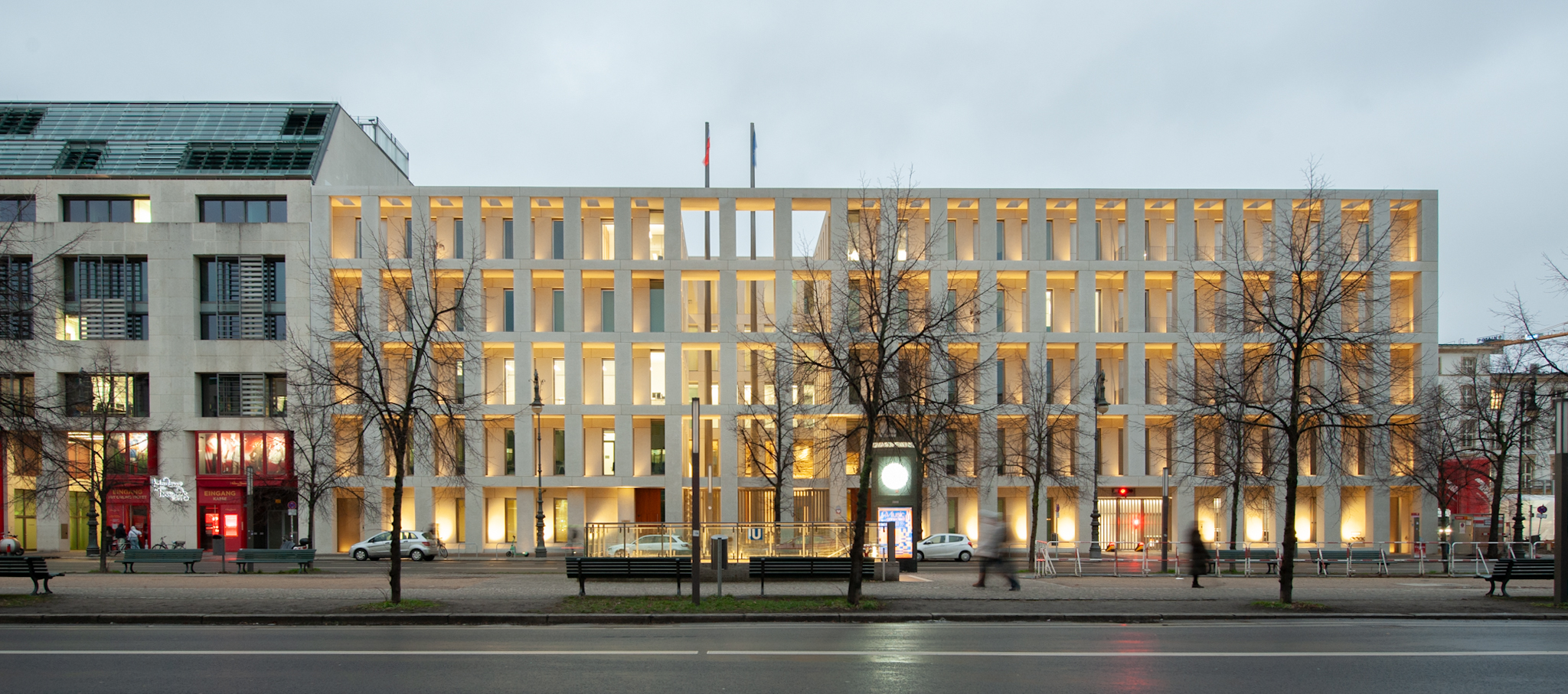



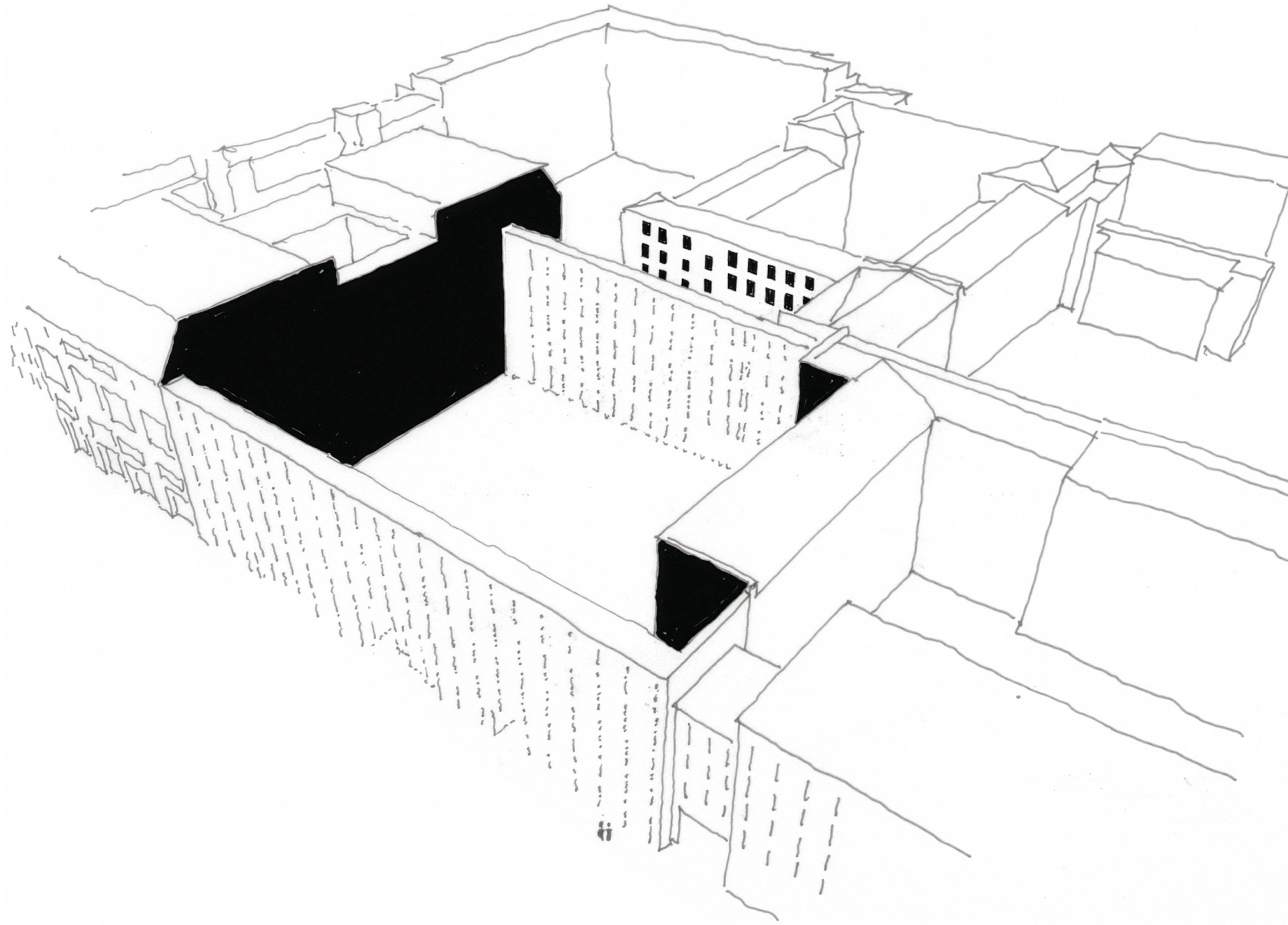
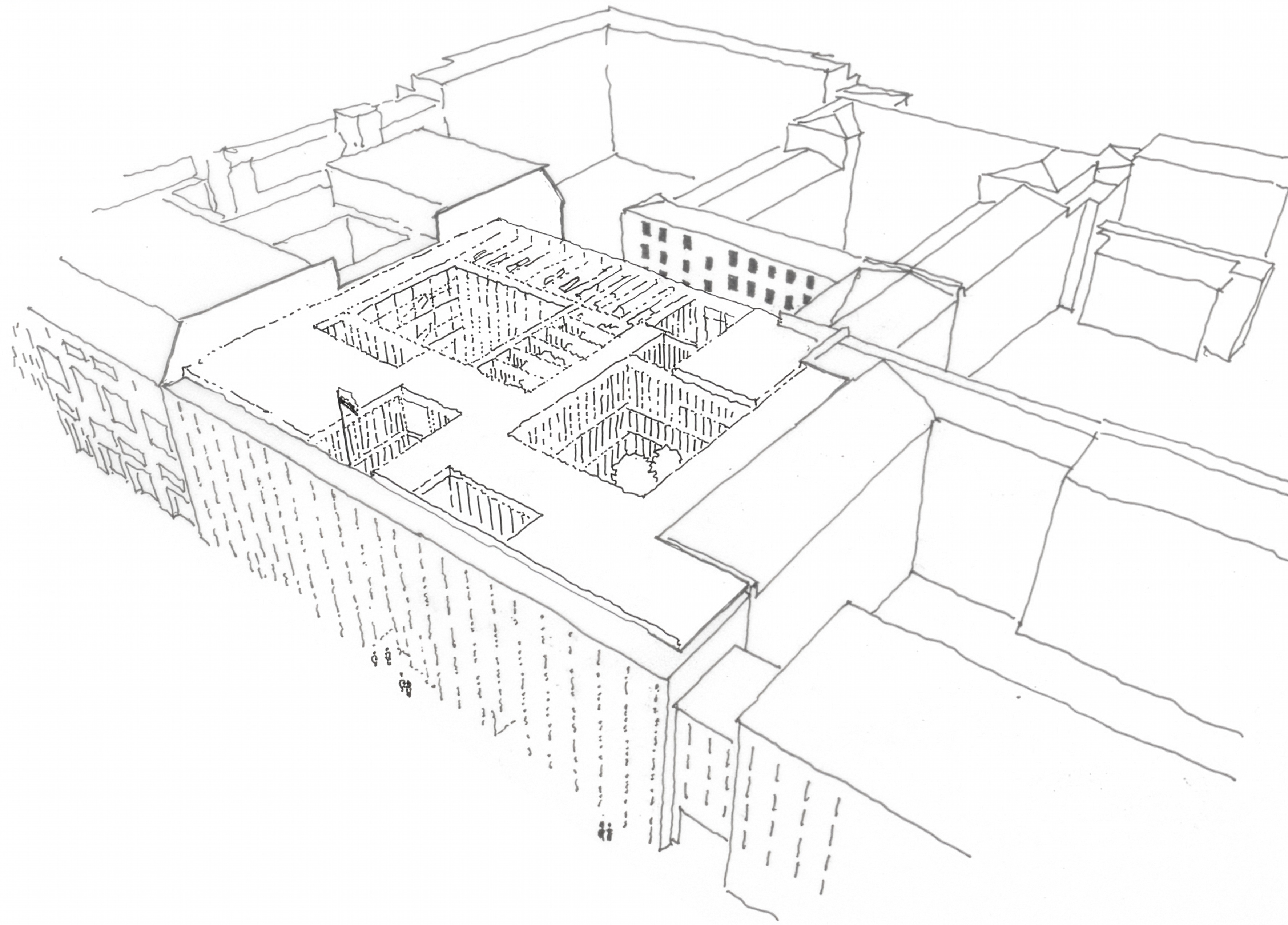


The Polish Embassy in Berlin, located in the very heart of the German capital, integrates harmoniously into the cityscape. With a strong yet restrained architectural expression, it represents Poland through noble form, openness of space and the play of light.
Collaborators
Structure: Buro Happold; Installations: Buro Happold; Landscape: RS Architektura; Facade Technical Design: Biuro Techniczne Tuscher; Interior Furnishing Project: Towarzystwo Projektowe
Program
Government & Civic
-
Labels
Embassy
Site area
4200 m²
-
Client
Ministry of Foreign Affairs of the Republic of Poland
Total gross floor
10000 m²
The Polish Embassy in Berlin, on Unter den Linden near the Brandenburg Gate, integrate into the street’s representative façade while maintaining a distinct identity. The building combines diplomatic functions with open, ceremonial spaces for cultural events. Its layered façade transitions from a dense vertical grid to an airy, multi-dimensional structure. A transparent front reveals the flag courtyard, while recessed columns define the entrances to the embassy and consulate. Light, shadow, and courtyards create a dynamic architecture, balancing security, privacy, and openness to the city.
The project aimed to create a building that fulfills the functional, symbolic, and security requirements of a diplomatic mission. The strategy focused on openness, adaptability, and multiple use scenarios - from large conferences to intimate cultural events. The building is designed to be “friendly to the street,” while ensuring protection and privacy in courtyards and interiors. Façade and interiors form an integrated system of layers. Columns and beams define spatial sequences and allow flexible zoning. A key solution is the double façade: its outer layer provides protection while giving the building lightness and depth, preventing interiors from feeling closed. In the evening, the flag courtyard, greenery, and representative hall become visible. Courtyards act as soft buffers, connecting spaces with light and greenery, and multifunctional areas open the building to the city and its inhabitants.
The building is based on a reinforced concrete structure that organizes the functional layout and spatial sequences. The façade is composed of individually designed prefabricated concrete elements. The modular system minimizes waste, simplifies assembly, and ensures consistency of detail. The interiors combine the rhythm of concrete columns and beams with the warmth of wooden wall finishes and parquet flooring. High-quality, custom-designed furniture showcases contemporary Polish design. The multifunctional hall features a floor and ceiling heating and cooling system, providing thermal and acoustic comfort. Materials were selected for durability and ease of maintenance, while the design emphasizes efficient material use, natural lighting, and ventilation.