-

Culture of labour
-
????????????????? ???????
-
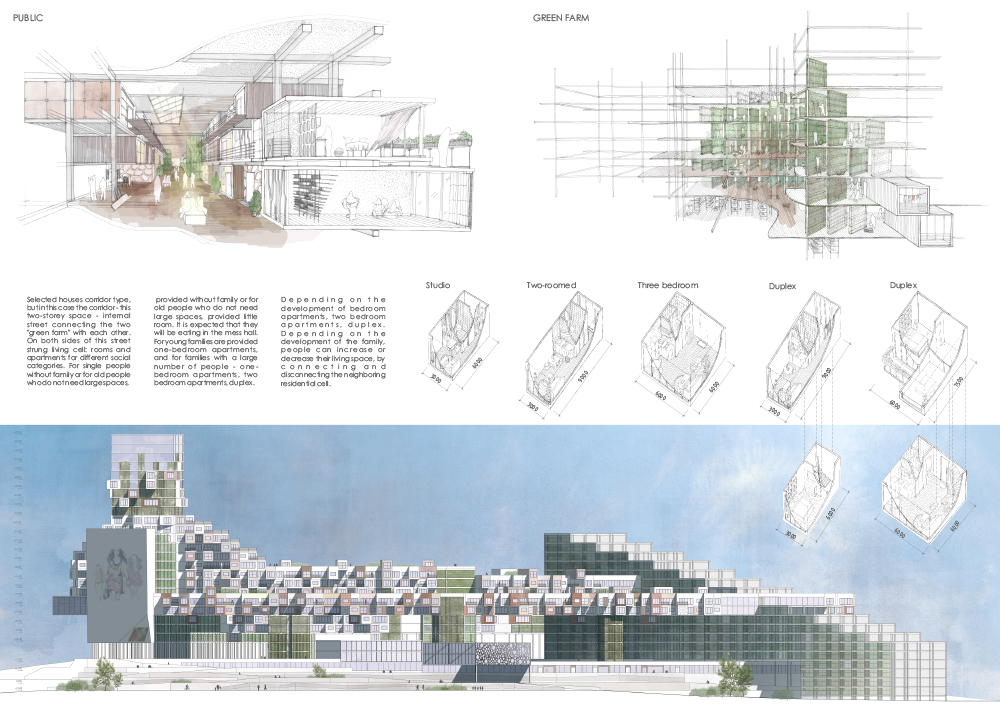
Structure of the "Green farm"
-
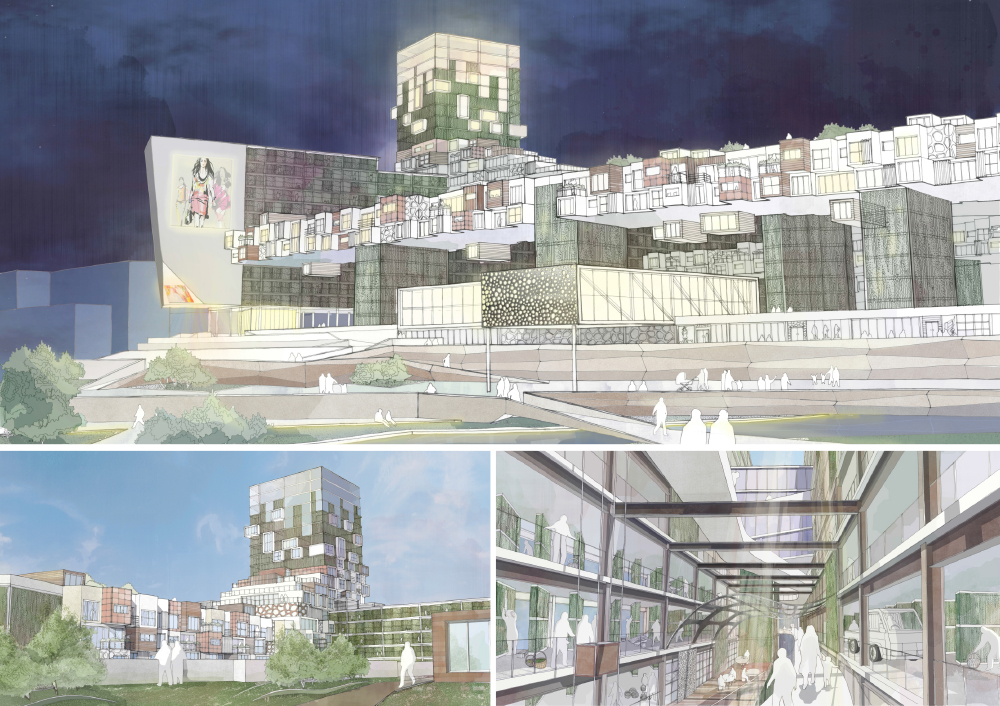
Species footage of the residential complex
-
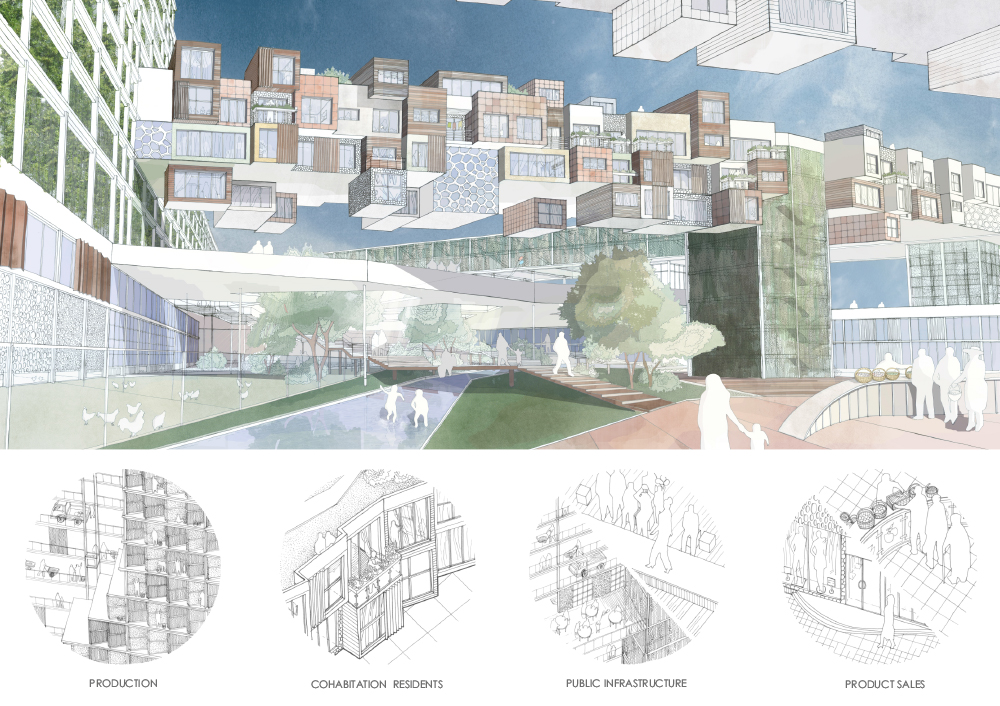
The processes occurring in a residential complex
-
?ousing
-
Project of the housing complex with the expanded public infrastructure and pocket industries
-
Name of work in English
Culture of labour. Project of the housing complex with the expanded public infrastructure and pocket industries
-
Name of work in original language
Culture of labour
Prize year
Young Talent 2016
-
Author/s
Ilsiyar Rakhimova
-
School
Institute of Architecture and Design, Studio TIArch - Kazan State University of Architecture and Engineering.
Kazan, Russia
Young Talent 2016 YT Open Nominees



Culture of labour. Project of the housing complex with the expanded public infrastructure and pocket industries
Culture of labour
Program
Collective housing
-
Labels
Social · Complex
The idea of a new form of living space is the introduction of the production and social functions in the living environment. The municipality on the basis of "common cause" provides residents needed "production" work and forms of socio-economic, socio-cultural relations within the residential group.
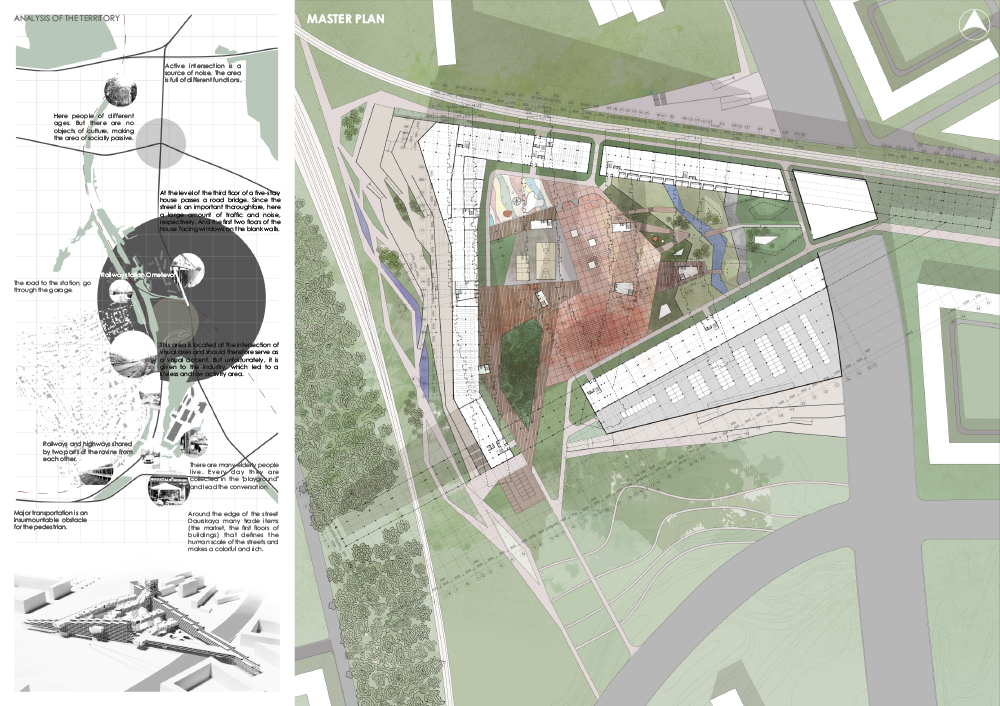
The growth and development of cities leads to compaction, saturation. But despite this, there is a problem "loneliness in the big city", when the processes taking place in the cities generate indifference in others. Indifference and neglect of human observed in relation to natural resources. Excessive use of resources in the near future could lead to their extinction. Along with the environmental, in modern cities there is a global food problem. The gradual replacement of the natural product in the "chemical" product (the reason is the lack of the agricultural industry in the city) a negative impact on the environment and on human health. To address these issues, I propose a new form of autonomous living space, the main idea of which is the introduction of the living environment of production and social functions, forming a commune on the basis of a common cause. The aim is to ensure that residents needed "product", a work space and the formation of the socio-economic, socio-cultural relations both within the residential complex and the city as a whole. The appearance of communities on the basis of a common cause will form socially active zones on the periphery of cities; to solve problems related to saving time and resources, since people do not have to travel long distances; unloading the streets of personal transport; fuel economy.