-

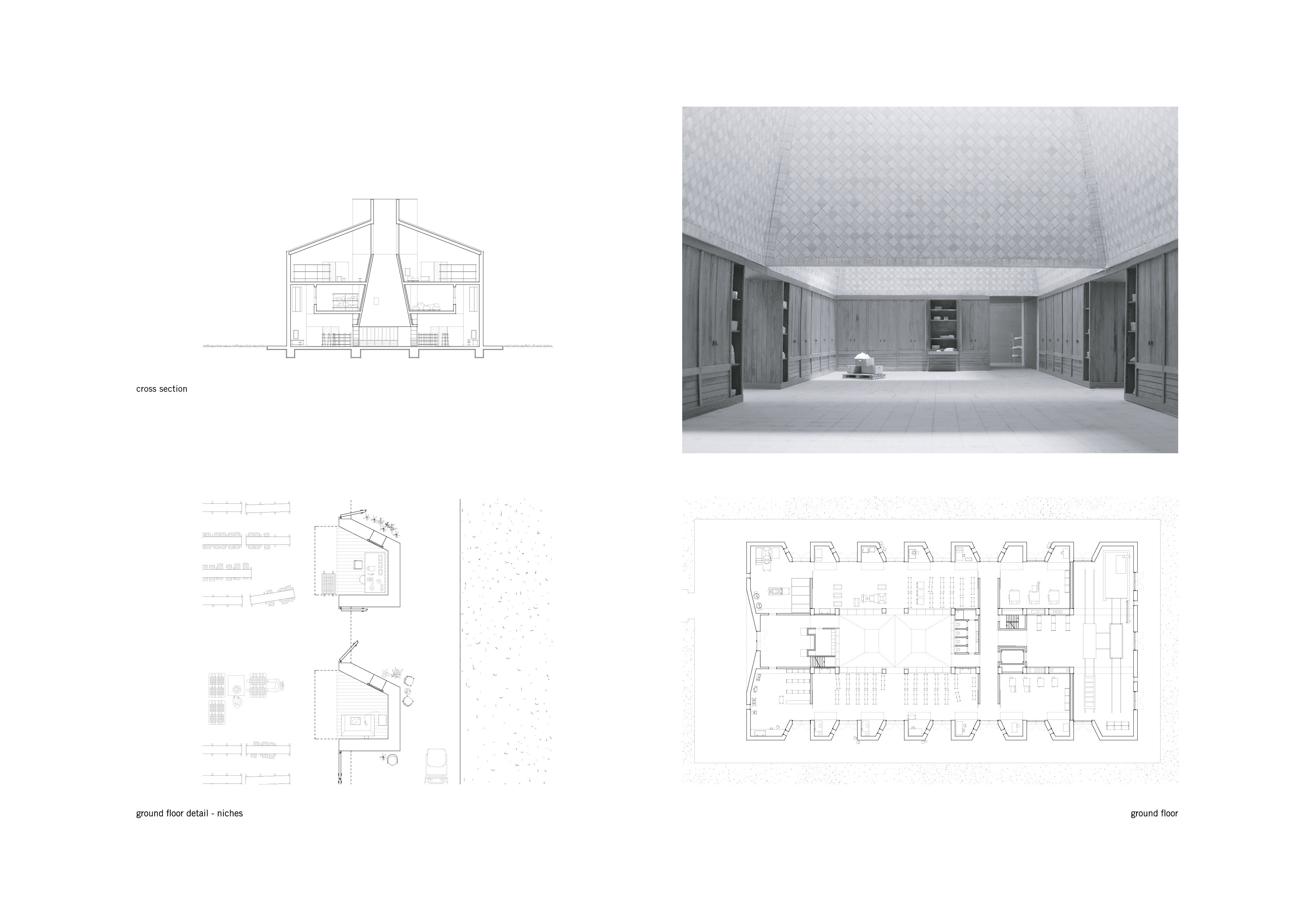
section
-
site plan
-
section _ ground floor _ zoom
-
first floor _ second floor _ view
-
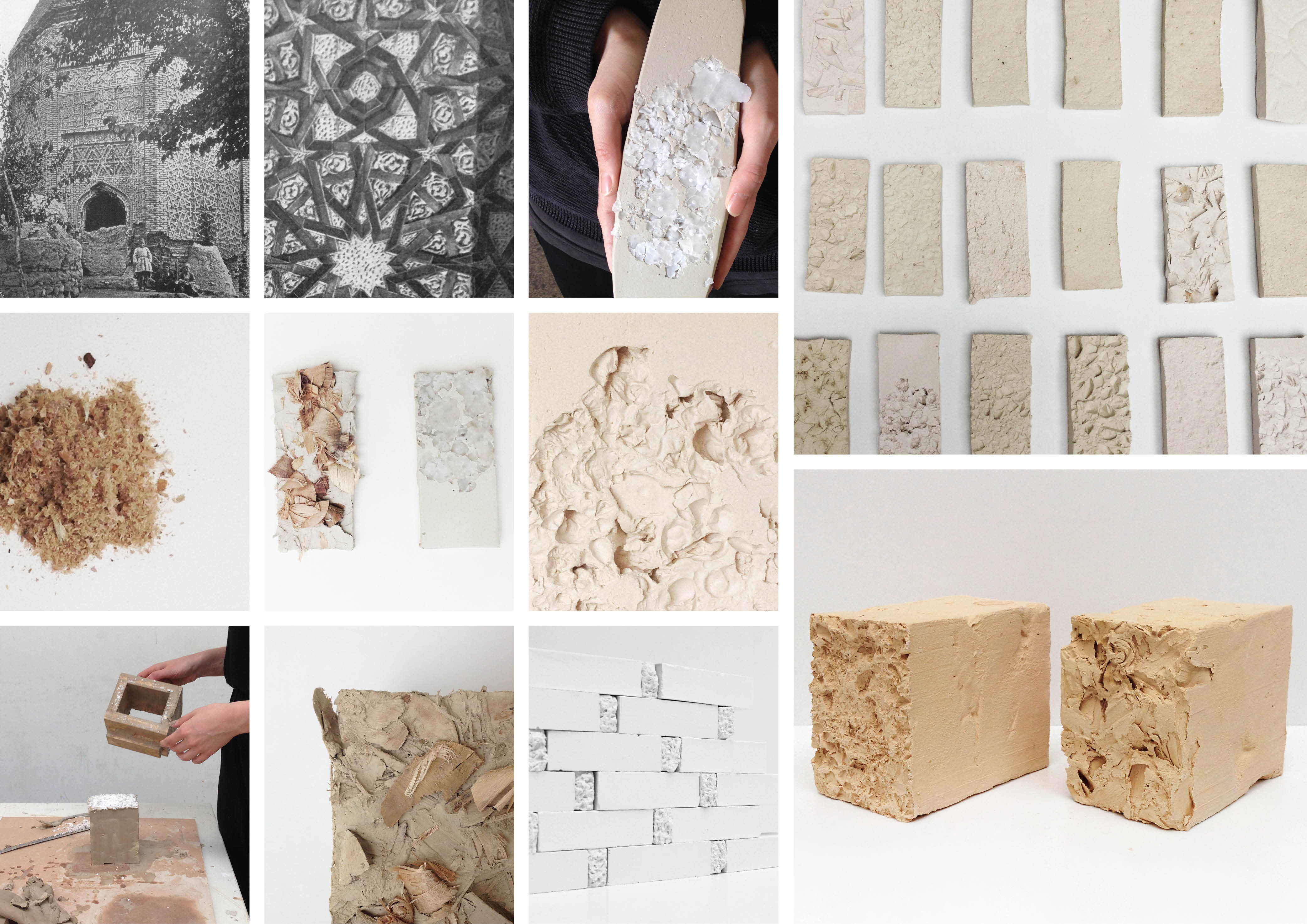
material _ brick
-
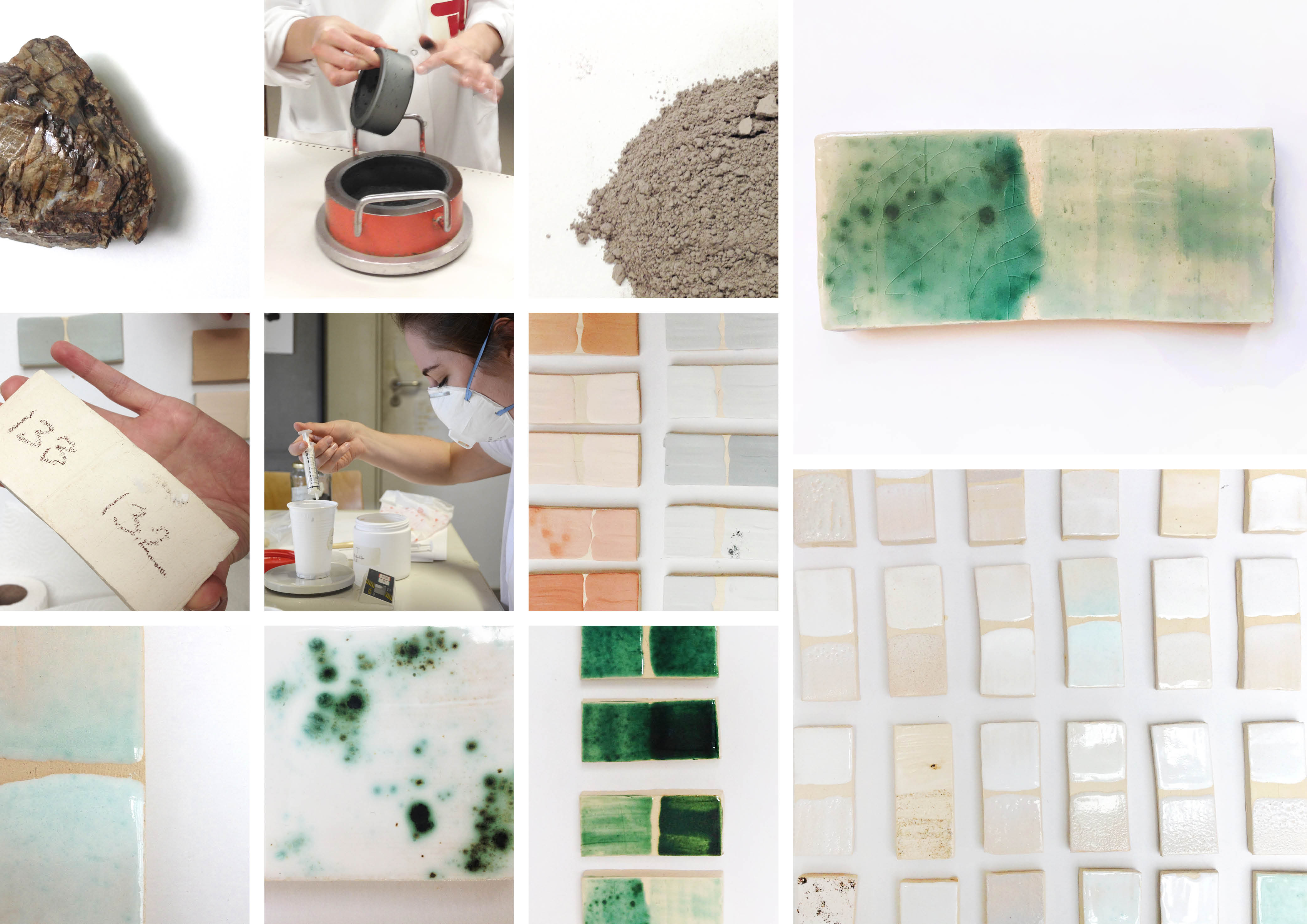
material minerals _ glaze
-
material soil _ glaze
-
Panel
-
Ceramics - Design of a factory
Franziska Käuferle, Sina Pauline Riedlinger. Velten, Germany
-
Name of work in English
Ceramics - Design of a factory
-
Name of work in original language
A research on contemporary use of architectural ceramics and the development of a product.
Prize year
Young Talent 2018
-
Work Location
Velten, Germany
-
Author/s
Franziska Käuferle, Sina Pauline Riedlinger
-
School
Faculty VI, Planning, Building and Environment - Technical University of Berlin.
Berlin, Germany
Young Talent 2018 YT Finalists




Ceramics - Design of a factory
A research on contemporary use of architectural ceramics and the development of a product.
Program
Industrial
-
Labels
Factory
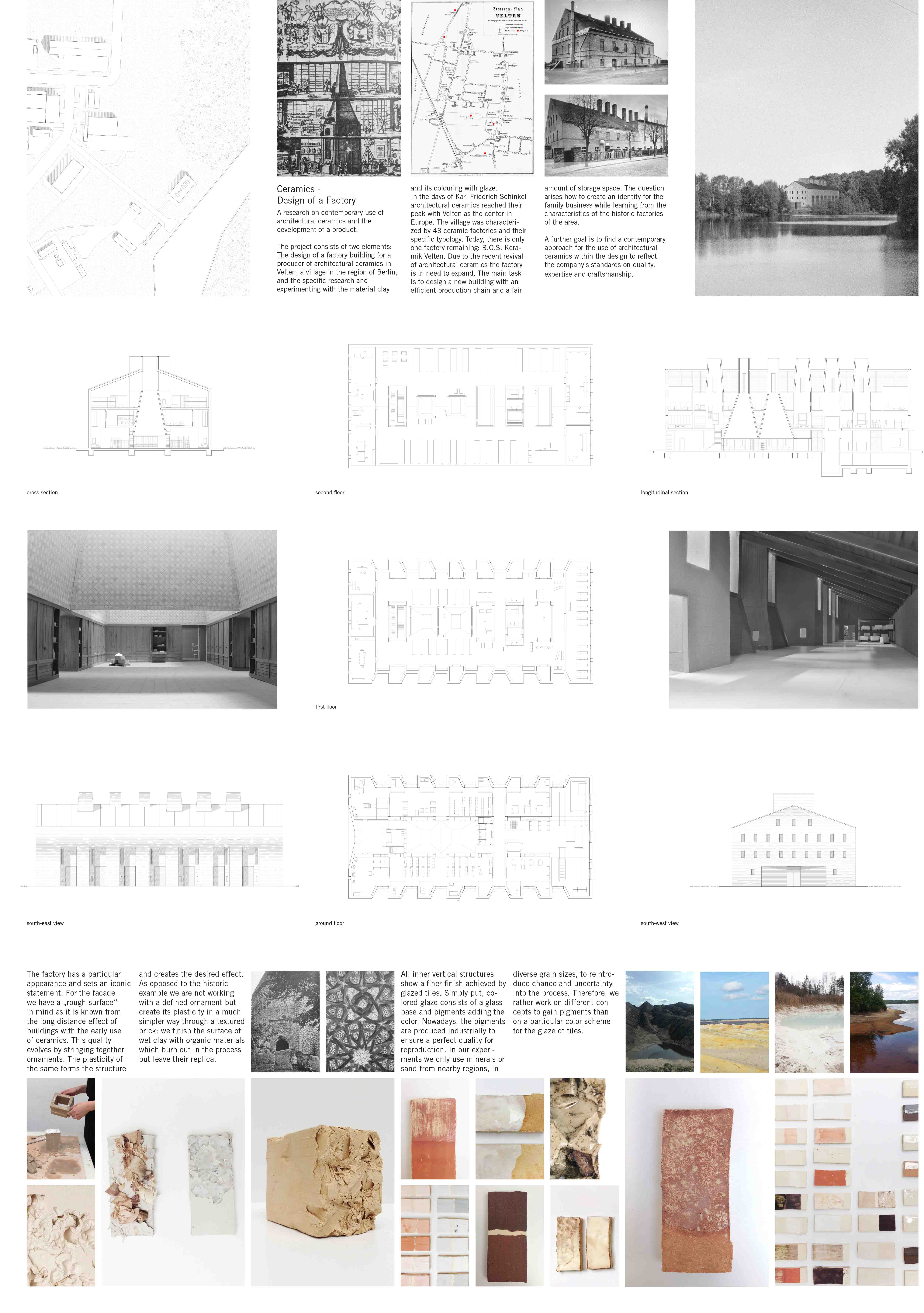
The project consists of two elements: The design of a factory building for a producer of architectural ceramics in Velten, a village in the region of Berlin, and the specific research and experimenting with the material clay and its colouring with glaze.
Studying the old factories it became evident that the space defining elements of the kiln and chimney are a genetic peculiarity of the historic typology. Since a modern kiln has no specific demands on space as it is a self-contained unit there is no longer a function for the original volumes. The leading concept of the design is to integrate the explored DNA of the original kiln and regain its importance for the typology by making it the inner supporting system, daylight supply and giving it a new adequate function as an exhibition room like a cabinet of wonder. The program for the factory was developed closely with the owner. The ground floor holds two production chains, one for clay and one for glaze, each with lateral arranged niches as working stations. The first floor functions as an archive for the large collection of plaster molds and the second floor holds storage space for purchase and products. The gable walls are thought voluminous and carry functions as offices, rental workspaces and lunch room.\nThe factory has a particular appearance and sets an iconic statement. For the facade we have a "rough surface" in mind as it is known from the long distance effect of buildings with the early use of ceramics. This quality evolves by stringing together ornaments. The plasticity of the same forms the structure and creates the desired effect. As opposed to the historic example we are not working with a defined ornament but create its plasticity in a much simpler way through a textured brick: we finish the surface of wet clay with organic materials which burn out in the process but leave their replica. \nAll inner vertical structures show a finer finish achieved by glazed tiles. Simply put, colored glaze consists of a glass base and pigments adding the color. Nowadays, the pigments are produced industrially to ensure a perfect quality for reproduction. In our experiments we only use minerals or sand from nearby regions, in diverse grain sizes, to reintroduce chance and uncertainty into the process. Therefore, we rather work on different concepts to gain pigments than on a particular color scheme for the glaze of tiles.