-

puppet theatre
-
street view
-
visitor center
-
cafe and public spaces
-
children's house
-
children's house
-
urban context
-
model
-
model
-
ground floor plan
-
section
-
section
Building Complex of the Kabóca Puppet Theatre
Zsuffa és Kalmár Építész Műterem (ZSK Architects). Veszprém, Hungary
-
Name of work in English
Building Complex of the Kabóca Puppet Theatre
-
Name of work in original language
Kabóca Bábszínház
Prize year
EUmies Awards 2026
-
Work Location
Veszprém, Hungary
-
Studio
Zsuffa és Kalmár Építész Műterem (ZSK Architects)
EUmies Awards 2026 Nominees
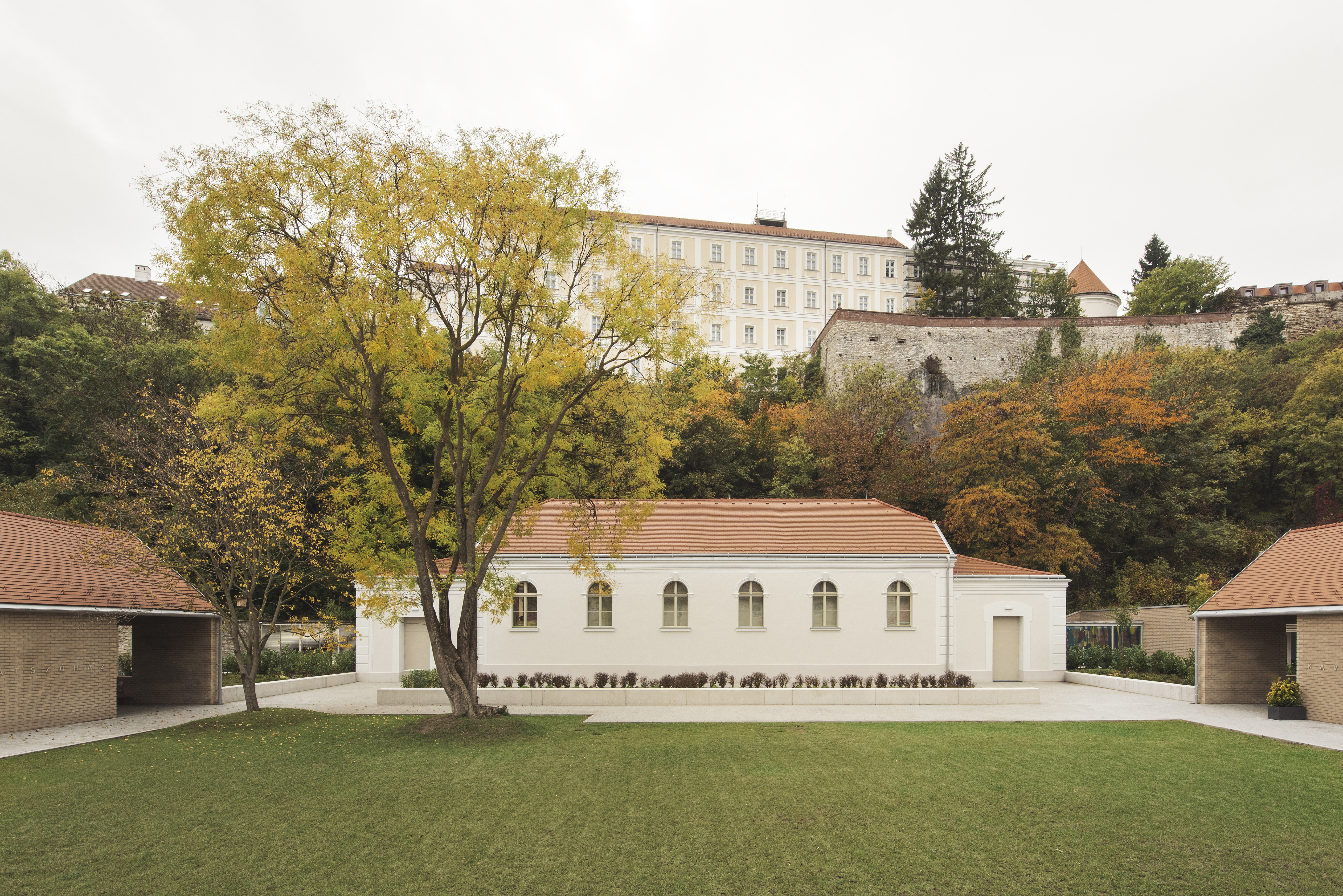


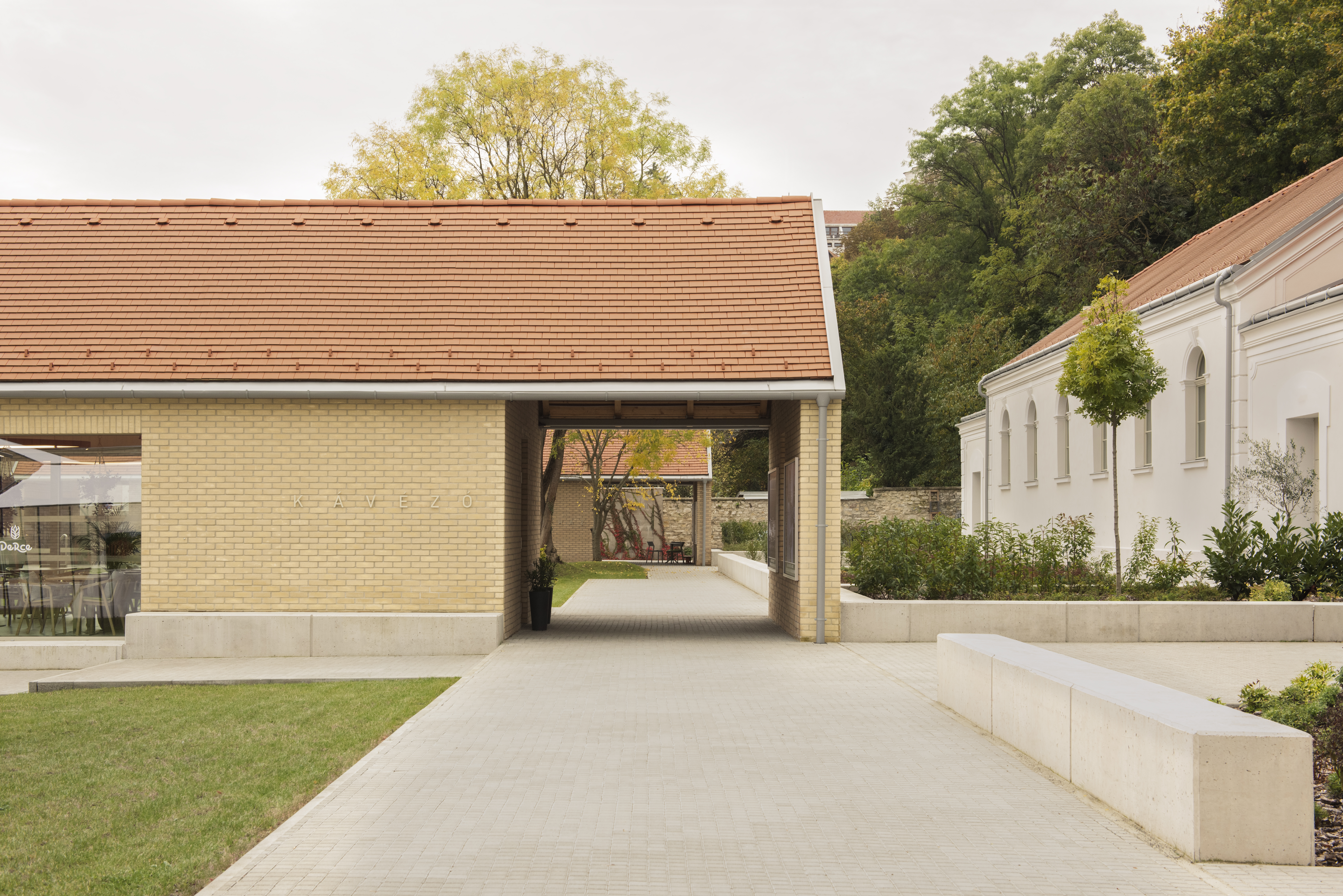
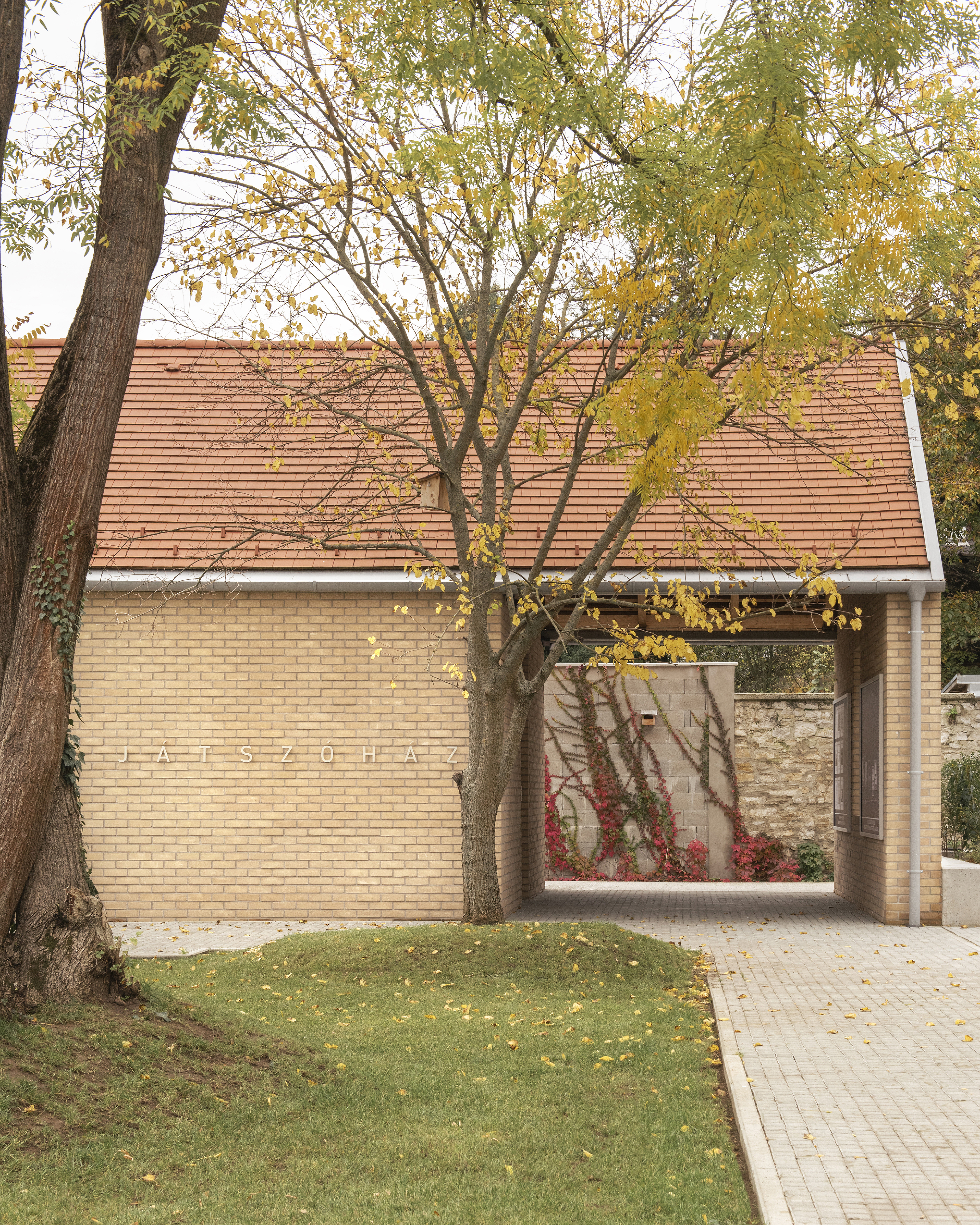



Creating a new home for the Puppet Theatre offered a good opportunity for the adaptive reuse of the abandoned historical gymnasium building on the western slopes of Castle Hill. With contemporary additions, a series of new public spaces and a vibrant cultural scene emerged in Veszprém.
Collaborators
Collaborator: Tamás Butora; Collaborator: Tamás Getto; Collaborator: Ádám Kern; Collaborator: Péter Zilahi; Model: Csaba Bajusz; Construction Details: Géza Kapovits; Construction Details: Dániel Heincz; Furniture Details: Gábor Szeles; Structure: Dezső Hegyi; Engineering: Benedek Végh; Electricity: Dávid Sándor; Fire Safety: György Decsi; Landscape: Gábor Szohr; Landscape: Árpád Kovács; Utility: Béla Bévárdi; Accessibility: Anna Kormányos; Environmental: Géza Károly Kiss Leizer; Road Plan: László Dulicz; Kitchen Technology: Ágnes Straub
Program
Culture
-
Labels
Children & Youth · Theatre
Site area
3862 m²
-
Client
City of Veszprém
Total gross floor
1160 m²
Cost
5260 €/m²
The building complex, built based on the winning competition, was completed in 2023. The buildings individually are of lesser significance, as they are all simple, traditionally shaped, and small in scale. Two tasks were considered more important: on the one hand, revitalising the historical building, and integrating it into the urban context; on the other hand, complementing the streetscape by carefully adding new elements so that the view of the Castle Hill remains dominant while the new buildings define well-structured public spaces.
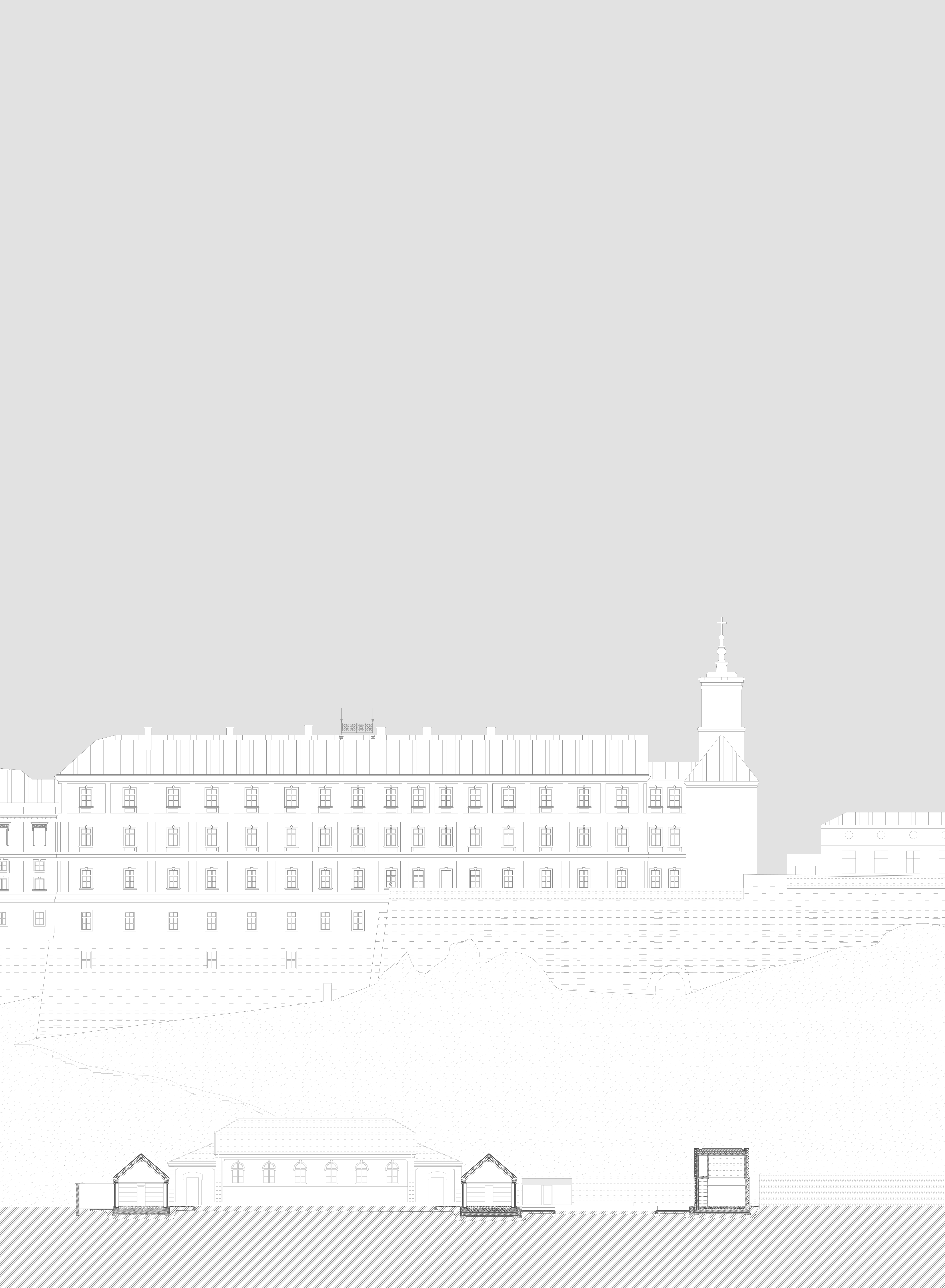
At the heart of the complex, the reconstructed façade of the former gymnasium is connected to the Castle Hill, emphasising their historical relationship. While the performance space and an auditorium occupy the restored gym, the main entrance and service areas are discreetly hidden in a new underground addition integrated into the retaining wall. Three additional buildings form a clear, structured spatial system, defining a series of open public spaces. A new visitor center and a café flank the entrance, while the children’s workshop is positioned deeper in the courtyard. The green area in front of the entrance functions as an outdoor installation space, and an elevated courtyard in front of the historical building provides a venue for open-air performances and children’s programs. The streetscape is shaped by the rhythm of the façades, gradually revealing the view of the buildings and the courtyards. On the opposite side, apartment buildings complete the emerging urban fabric.
The service buildings are more modest in scale than the old gymnasium and differ in their use of materials. While the Puppet Theatre features an ornate, plastered historical façade, the auxiliary buildings are clad in simple brickwork, thereby reversing the relationship the hierarchy of prominence while simultaneously clarifying the different construction periods. The alignment of eaves and opening heights further integrates the mass of the unusually shaped visitor center into the overall composition, creating a sense of cohesion across the site.