-

researchers' courtyard
-
south façade
-
researchers' courtyard
-
south main entrance
-
researchers' room and patio
-
informal meeting space
-
Ground floor plan
-
Second floor plan
-
Third floor plan
-
Long section south (C02)
-
Cross section (C18) and East elevation (C12)
-
Façade detail
Building 4, ISCTE-IUL
Iscte Campus' Rehabilitation and Expansion Team. Lisboa, Portugal
-
Name of work in English
Building 4, ISCTE-IUL
-
Name of work in original language
Edificio 4, Iscte Conhecimento e Inovação
Prize year
EUmies Awards 2026
-
Work Location
Lisboa, Portugal
-
Studio
Iscte Campus' Rehabilitation and Expansion Team
EUmies Awards 2026 Nominees


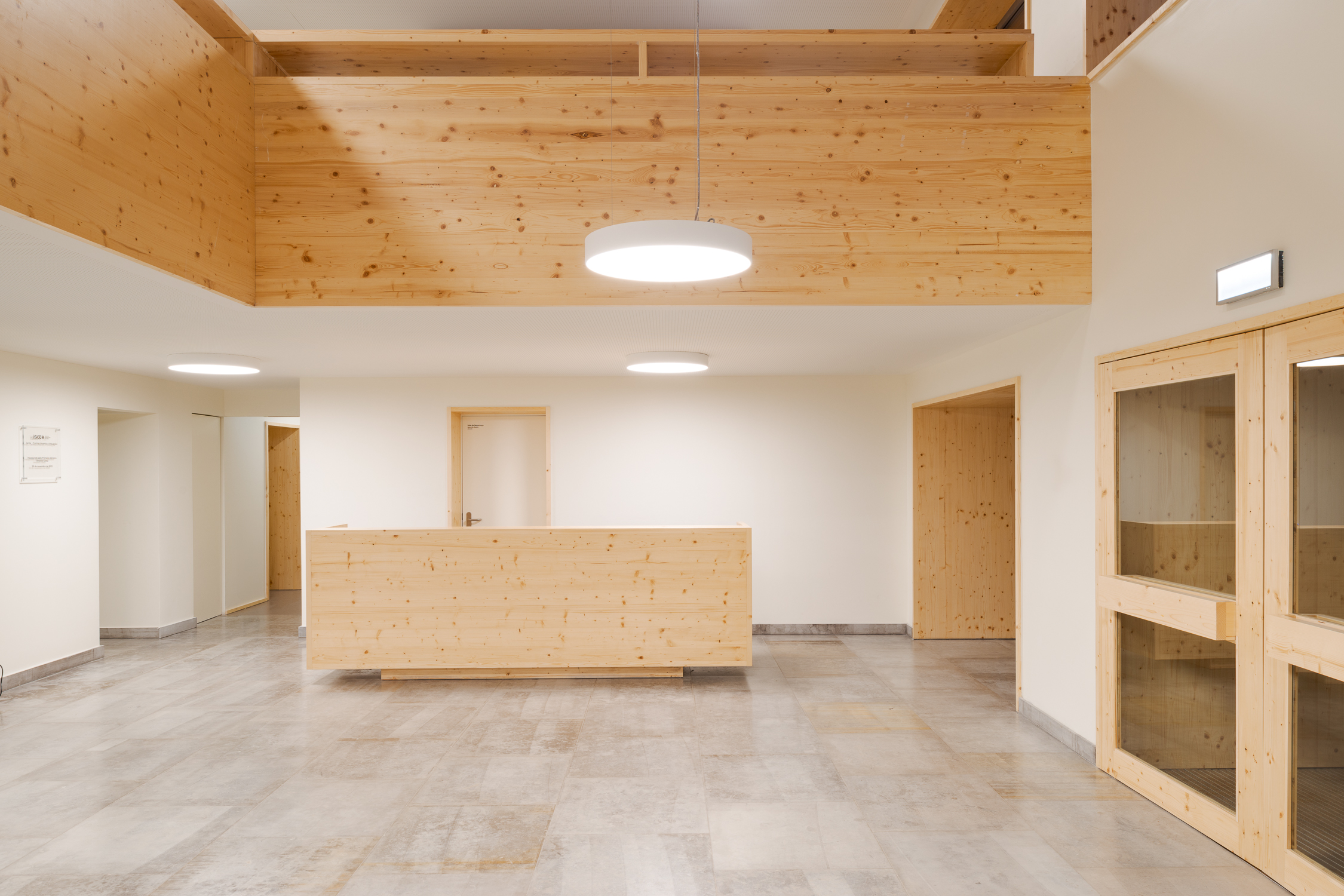

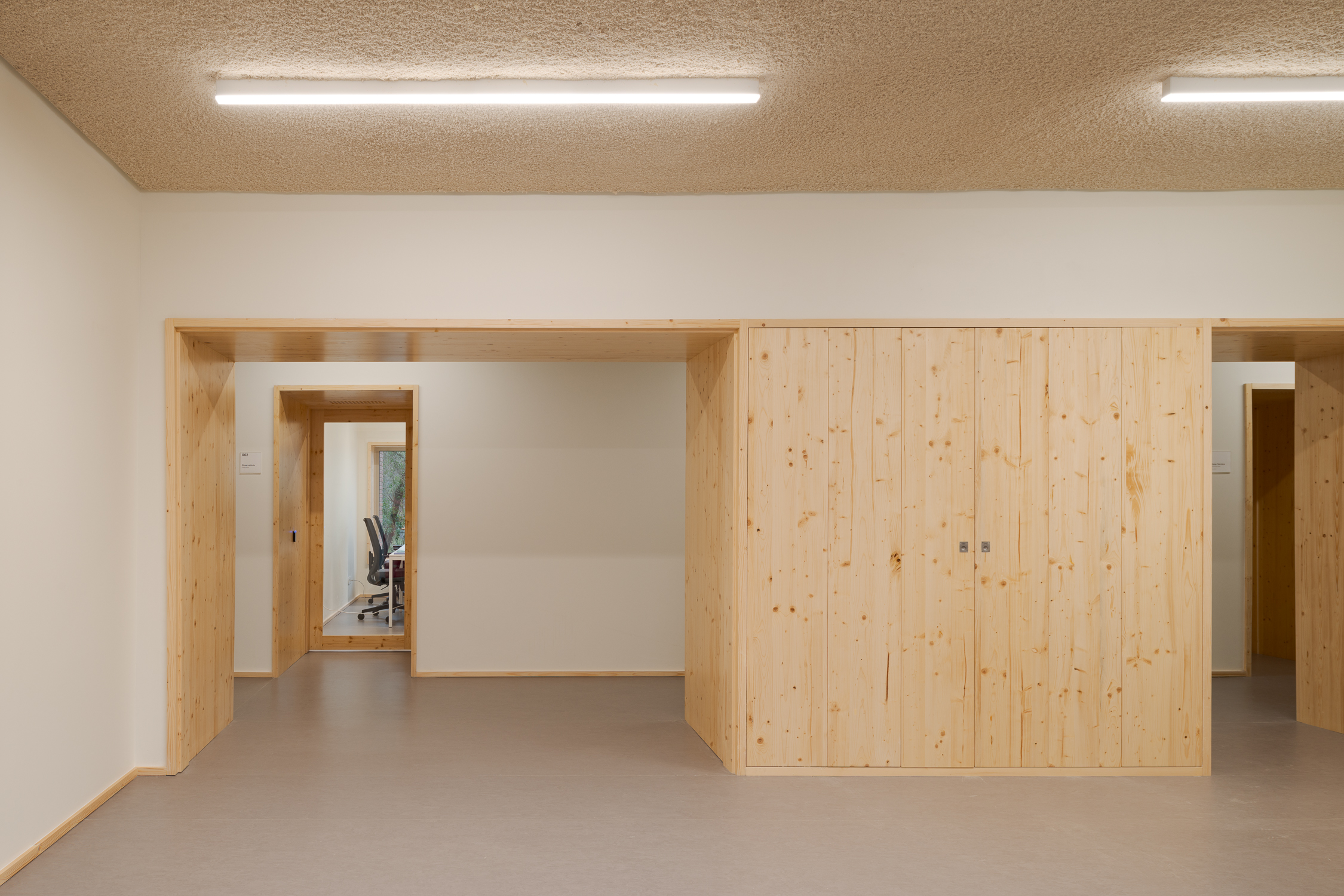
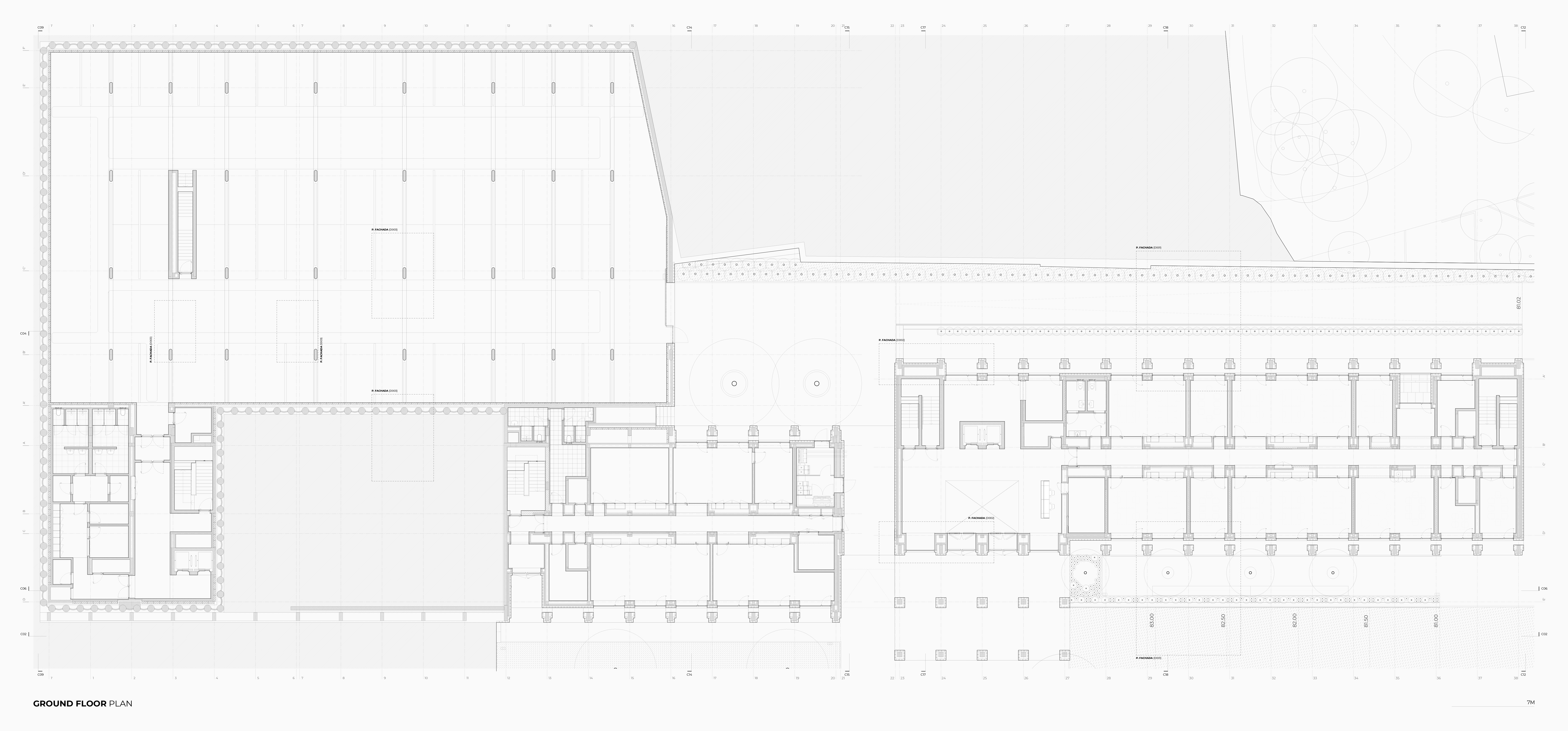


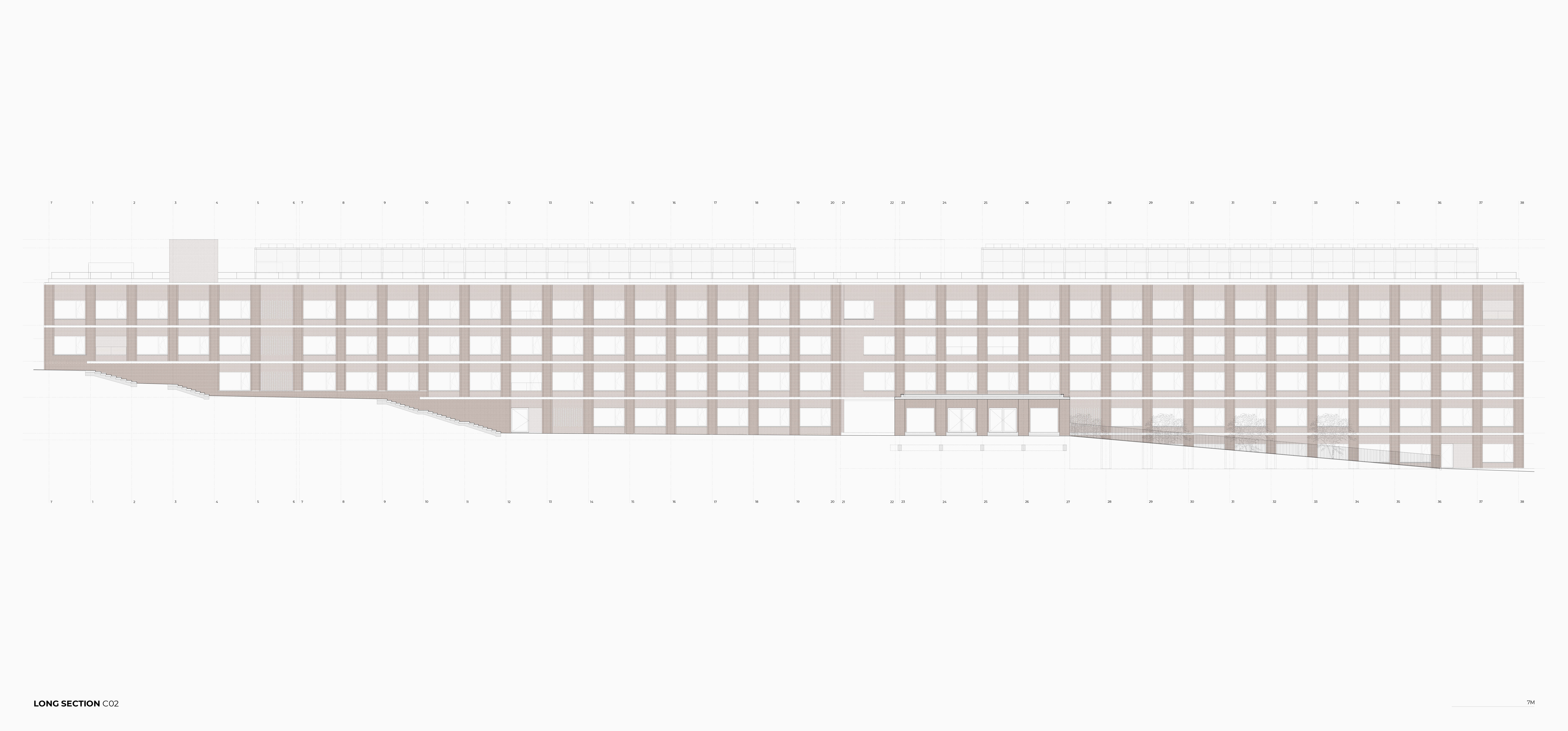


The project aimed at the rehabilitation and expansion of a former urban complex of buildings, located on a central artery of Lisbon. The new complex was integrated into the ISCTE university campus, bringing together research, technology transfer, and advanced doctoral training.
Collaborators
Architect: Filipe Prudêncio; Architect: Carlos Vieira; Architect: Francisco Freitas; Architect: Rúben Ferreira; Collaborator: Madalena Dias; Collaborator: Ana Lopes; Collaborator: Ana Catarina Santos; Academic Internship: Carolina See; Academic Internship: Carlos Félix; Academic Internship: João Antunes; Academic Internship: Paulo Góis; Structure: João Vaz; Structure: Luis Almeida; Installations: José Galvão Teles; Installations: Miguel Galvão Teles; Lighting: Rúben Sobral; Building physics: Mário Boucinha; Landscape: Inês Norton; Landscape: João Gomes da Silva; Fire Safety and Accessibility: Rúben Sobral; Acoustics: Fernando Palma Ruivo; Installations: Marta Azevedo; Technical Consultant: Vitor Alves
Program
Education
-
Labels
Research · University
Site area
6360 m²
-
Client
ISCTE-IUL
Total gross floor
10135 m²
Cost
15000000 €/m²
The building centralizes research activities, advancing ISCTE’s goal of becoming a top research university. It offers flexible workspaces, labs, and collaborative areas designed to foster innovation, knowledge transfer, and community engagement. A new upper floor hosts advanced training and PhD programs, promoting interaction between researchers and students. The project seeks a holistic campus experience by balancing the creation of a new public garden with the introduction of a renewed material and constructive identity, reinforcing spatial continuity and urban integration.
The rehabilitation program of the existing buildings—including structural reinforcement, the addition of a new floor, reconfigured access, natural light optimization, and parking provision—introduced new spatial dynamics, constructive qualities, and urban design. Architecture and the city are shaped by permanence, yet as ever-changing entities, they require ongoing reconstruction and repair. The temporality of the new infrastructure reflects a transitional moment: building new conditions upon inherited ones. In the new ISCTE Knowledge and Innovation building, the aim was to adapt to a new era, a new program, and the possibilities offered by contemporary materials and construction systems—seeking balance between openness to innovation and the enduring values of long-term continuity. Building or rebuilding requires prior assessment. ISCTE’s new campus infrastructure expands teaching and research, rehabilitates spaces, and reconnects the university with the city.
The project respects the original layout of the previous buildings, maintaining their recessed position along Avenida das Forças Armadas. It involves partial demolition and structural reinforcement of the existing regular reinforced concrete frame with precast lightweight slabs. It adds new vertical concrete elements to the façades, connected by roof-level beams, enabling an additional floor. It rebuilds façades with a ventilated wall system: exposed ceramic brick, air layer, thermal insulation, and double gypsum board interior finish. It installs anodized aluminum windows with thermal break, set on blue stone sills. The construction prioritizes durability, flexibility, and energy efficiency through passive and active solar systems, centralized technical management, and water reuse. It converts a former parking area into a public urban garden, enhancing permeability and integrating the ISCTE campus into the city.