-

West Elevation - Monastery Entrance
-
East Elevation - Public Entrance Court
-
Garth and cloister below the mountain
-
Monastery entrance
-
Cloister
-
Chapter Room
-
Axonometric
-
Ground floor plan
-
Cross section showing public and monastery at different levels
-
Design exploration - Monastery entrance
Benedictine Monastery - Education and Retreat Centre at Kylemore Abbey
Axo Architects. Galway, Ireland
-
Name of work in English
Benedictine Monastery - Education and Retreat Centre at Kylemore Abbey
-
Name of work in original language
Benedictine Monastery, Education and Retreat Centre at Kylemore Abbey
Prize year
EUmies Awards 2026
-
Work Location
Galway, Ireland
-
Studio
Axo Architects
EUmies Awards 2026 Nominees
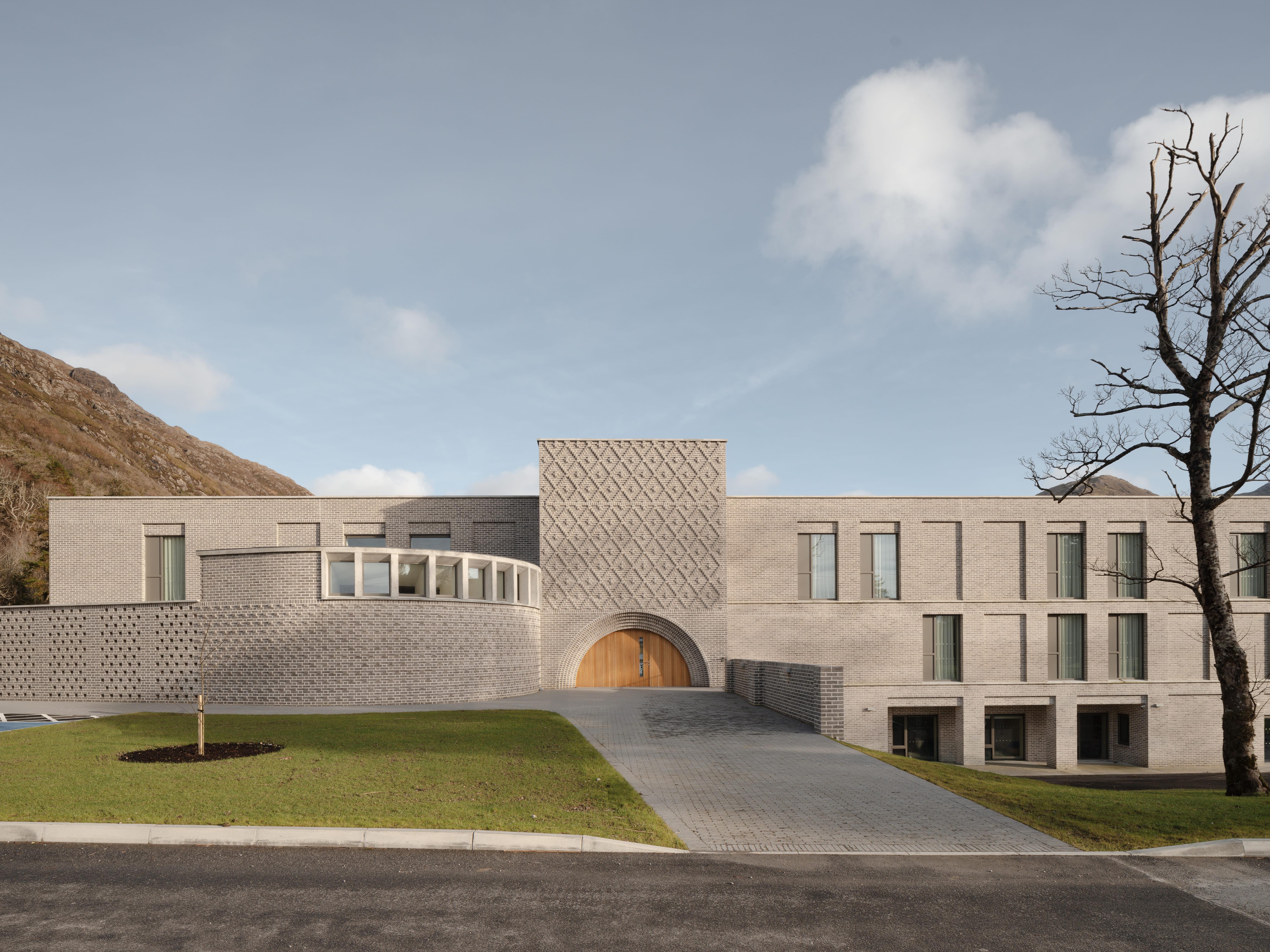


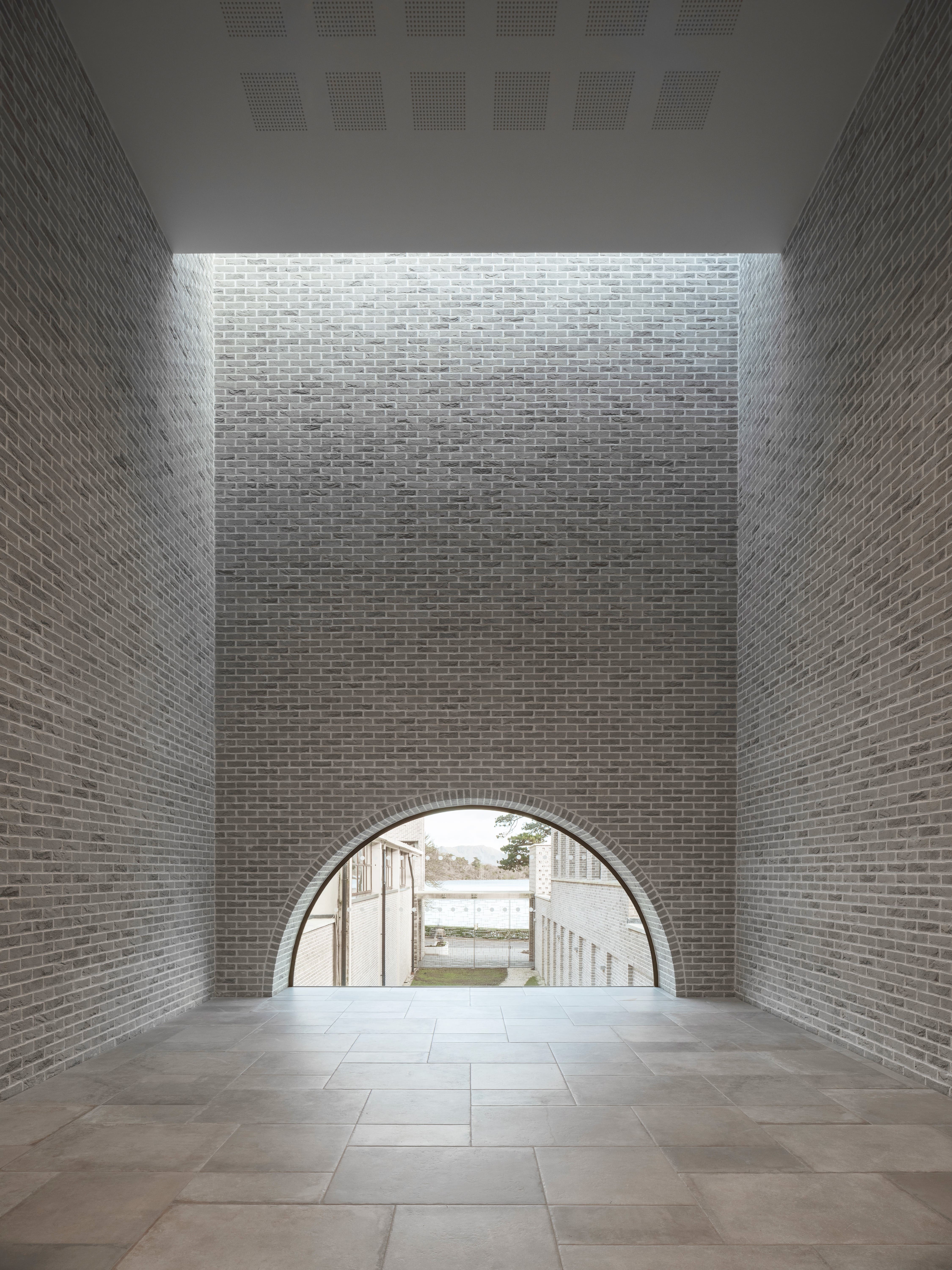


A new female monastery, the first to be constructed in Ireland for almost 400 years, is set in the ruggedly beautiful West of Ireland landscape, in proximity to the celebrated nineteenth century gothic revival Kylemore Abbey, while drawing on long established monastic traditions.
Collaborators
Assistant Architect: Aidan Conway - Axo Architects; Quantity Surveyor: Padraic Murray - Peter F Costello & Partners; Quantity Surveyor: Shane Duane - Peter F Costello & Partners; Mechanical & Electrical Services Design: Ian Carroll - IN2 Engineering Design Partnership; Mechanical & Electrical Services Design: John Murphy - IN2 Engineering Design Partnership; Mechanical & Electrical Services Design: Keith Flood - IN2 Engineering Design Partnership; Structure: Paul Henry - CHH Consulting Engineers; Structure: Alan McGowan - CHH Consulting Engineers
Program
Religion
-
Labels
Monastery
Site area
15000 m²
-
Client
The Kylemore Trust
Total gross floor
2750 m²
Cost
3650 €/m²
The architectural design of this monastery succeeds in reconciling interfaces between the public, semi-public and private realms but also between the timeless and contemporary. The building exploits the challenge of a steeply sloping site, while respecting and enhancing its remarkable context. The design evolves from a central monastic garth and cloister, unfolding into a series of brick volumes of varying height and scale. The result is a serene and timeless structure that quietly compliments its landscape through sensitive consideration of context, scale, materiality, and visual harmony.
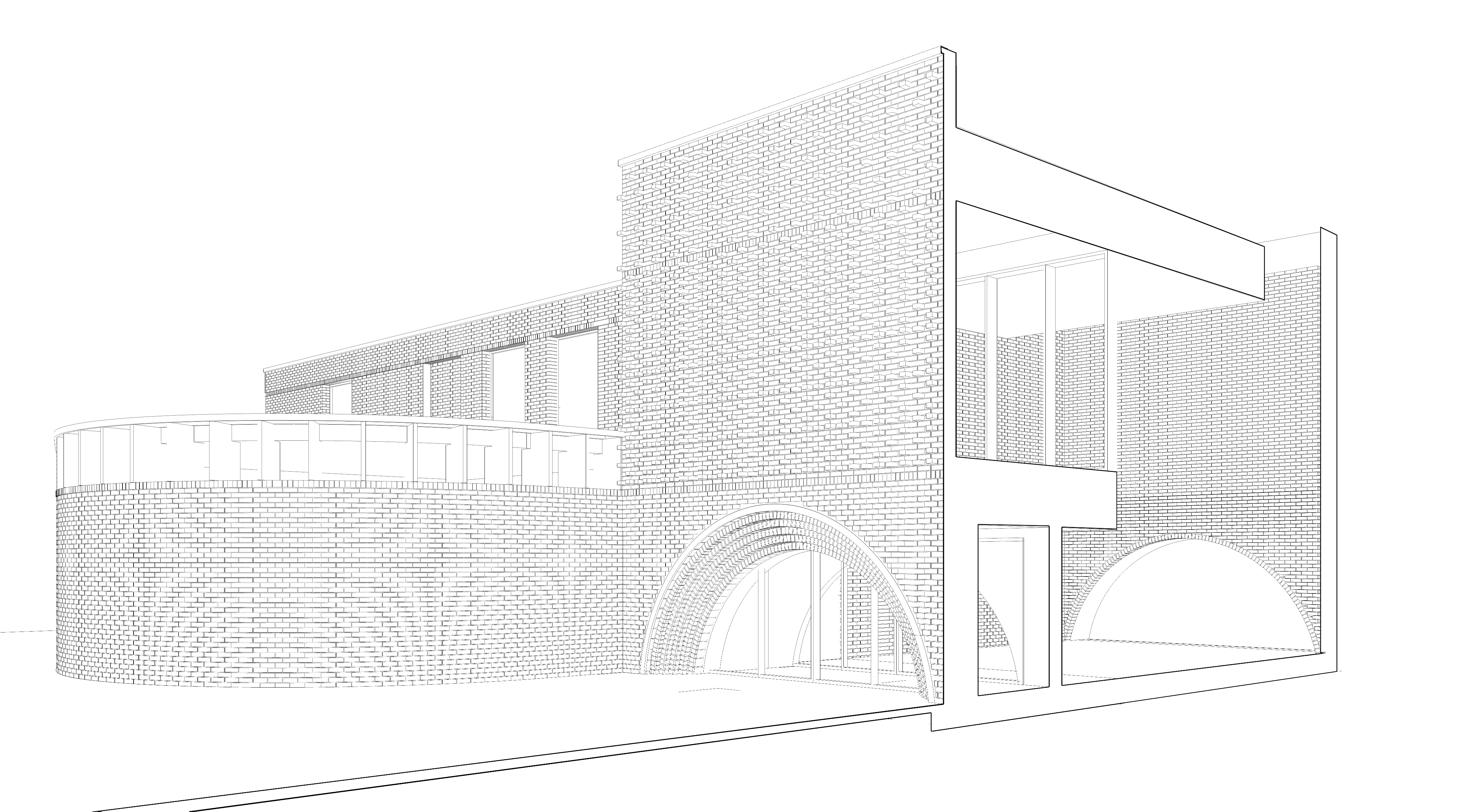
Kylemore Abbey is today a thriving tourist attraction, far removed from the quiet contemplative monastic estate that it once was. The closure of the boarding school in 2010 brought an end to a revenue stream to maintain the upkeep of the estate, so it was necessary to open the estate to visitors. The visitor numbers grew exponentially and the enclosed space for the Benedictine nuns decreased every year. The challenge was to place a new monastery in the heart of the Kylemore estate where the nuns could practice an enclosed life of prayer and contemplation, while still retaining a connection to the natural landscape that they had enjoyed for most of their lives. A fractured colonnade on the axis of the existing church and a single storey public block is placed as a visual buffer between the public and private spaces. The enclosed cells overlook the garth, cloister, lake, mountains, church and abbey. The slope in the site provided an opportunity to separate the public and enclosed entrances, at two different approaches and two different levels.
Natural brick finish, which can be reused at end of life as part of circular design approach. This finish practically eliminates external maintenance and has historical references. The building is designed to maximise the use of passive techniques, in particular daylight and natural ventilation. This passive design approach ensures an enhanced internal environment and minimises energy demand in terms of reducing lighting through daylight control, minimising fan power and omitting cooling energy entirely. High façade performance minimises heating energy demand, which is supplemented through the use of a bivalent centralised heating, utilising highly efficient air-source heat pump technology with backup from natural gas boilers. A Photovoltaic Panel Array further reduces energy use and associated carbon emissions. Post occupancy evaluation is currently underway, and these metrics can be measured because of the provision of sub-metering for electrical, heating, and water usage.